CM Dhami Takes Hard Line on Delayed Public Grievance Redressal
Synopsis
Chief Minister Pushkar Singh Dhami has taken a hard line against delays in public grievance resolution in Uttarakhand, with the Chief Minister's Office announcing strict measures on 25 July 2026. The move escalates earlier district-level monitoring orders and signals potential performance-linked accountability for officials.
Key Takeaways
The Chief Minister's Office of Uttarakhand announced on 25 July 2026 that CM Pushkar Singh Dhami is taking strict action against delays in public grievance resolution.
Dhami has served as Uttarakhand's Chief Minister since 2021 and was re-elected in the 2022 assembly elections .
The state uses the Centralised Public Grievance Redress and Monitoring System (CPGRAMS) and state portals to track citizen complaints.
Post-2022, the Dhami government had already mandated monthly district-level review meetings on pending grievances — the new directive signals an escalation.
The crackdown mirrors similar chief-minister-led drives in states like Uttar Pradesh and Madhya Pradesh .
District officials and magistrates face heightened accountability, with possible performance-linked reviews expected in coming months.
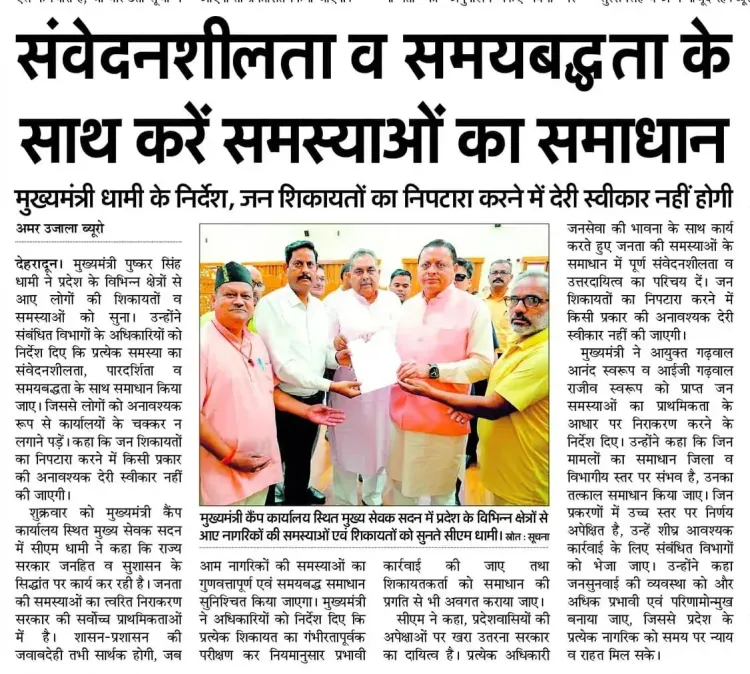
The Chief Minister's Office of Uttarakhand announced on Saturday, 25 July 2026 that Chief Minister Pushkar Singh Dhami has taken a strict stance against delays in the resolution of public grievances, signalling a firm administrative crackdown on pending citizen complaints across the state.
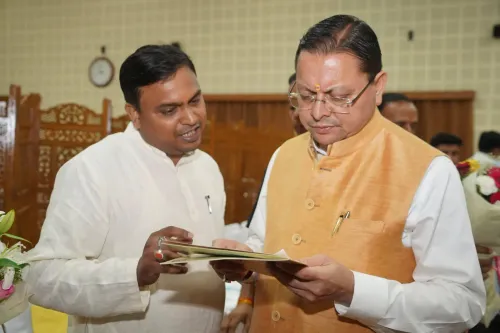
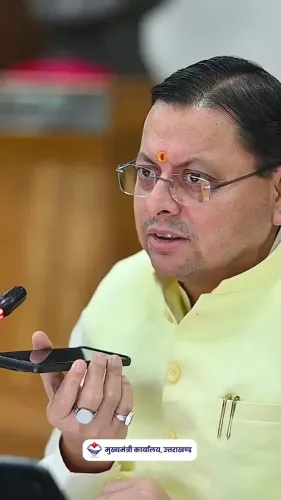
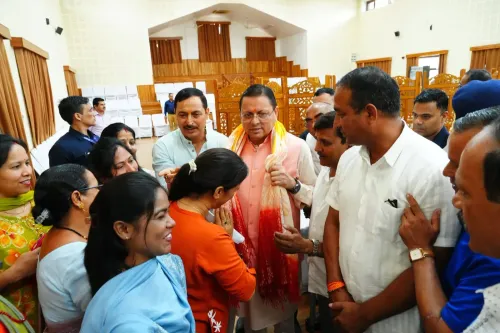
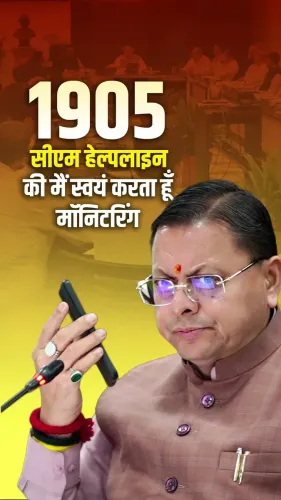
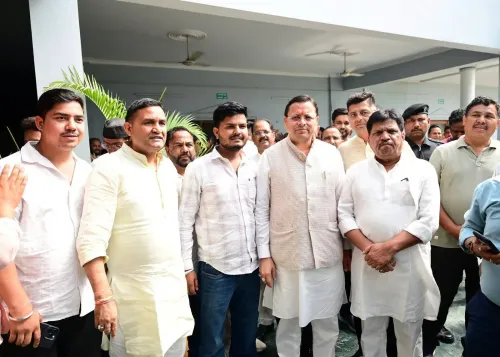
The official post from the Chief Minister's Office stated: 'जन समस्याओं के निस्तारण में देरी को लेकर मुख्यमंत्री श्री पुष्कर सिंह धामी सख्त' ('Chief Minister Pushkar Singh Dhami is strict regarding delays in the resolution of public grievances'). The announcement was accompanied by four images, underscoring the seriousness with which the government is treating the issue.
Context
Pushkar Singh Dhami, who has served as Uttarakhand's Chief Minister since 2021 and was re-elected following the 2022 assembly elections, has consistently positioned administrative efficiency and citizen-centric governance as cornerstones of his tenure. Public grievance redressal has been a recurring pressure point in the state, where geographical challenges — including remote Himalayan districts — make timely resolution of citizen complaints particularly difficult.
The July 2026 directive reflects a pattern of the Chief Minister personally intervening to signal zero tolerance for bureaucratic delays, a posture that carries both administrative and political weight ahead of ongoing governance reviews.
Policy Backdrop
Uttarakhand has expanded its digital grievance infrastructure significantly since the state's formation in 2000, including integration with the Centralised Public Grievance Redress and Monitoring System (CPGRAMS) and state-level portals designed to track and time-stamp citizen complaints. Following the 2022 elections, the Dhami government issued orders mandating monthly review meetings at the district level to monitor pending grievances.
The current crackdown appears to be an escalation of those earlier directives, suggesting that compliance at the district level has remained uneven. Several Indian states — including Uttar Pradesh and Madhya Pradesh — have pursued similar chief-minister-led monitoring drives as part of broader anti-corruption and digital governance agendas over the past decade.
Stakeholders and Impact
The most immediate beneficiaries of tighter grievance timelines are ordinary citizens — particularly those in rural and hill districts of Uttarakhand who depend on government offices for land records, pension disbursements, utility complaints, and welfare entitlements. For these communities, delays in grievance resolution often translate into prolonged hardship.
District officials and magistrates are the principal administrative targets of such directives. A stricter monitoring regime typically means greater accountability for District Magistrates and departmental heads, with the possibility of performance-linked consequences for those whose pendency figures remain high.
What's Next
The government may follow this announcement with revised grievance disposal timelines, mandatory reporting formats, or performance-linked reviews of district-level officers. Observers will watch for formal orders specifying measurable targets and penalties for non-compliance, which would convert the Chief Minister's stated strictness into binding administrative action.
If the crackdown leads to structural changes in how grievances are logged, escalated, and closed, it could set a benchmark for other hill states grappling with similar administrative bottlenecks. The coming weeks will reveal whether this directive results in systemic reform or remains an expression of intent.
Point of View
Citizen-first image for the ruling government. The move fits into a broader national pattern where chief ministers use grievance redressal as a visible governance metric, particularly when assembly cycles or public satisfaction surveys loom. The real test will be whether this announcement is followed by enforceable timelines and measurable accountability for officials, rather than remaining a statement of intent.
NationPress
24 Oct 2026
Frequently Asked Questions
Why is CM Dhami strict about public grievance redressal in Uttarakhand?
CM Pushkar Singh Dhami has signalled strict action against delays in resolving public complaints, reflecting his government's focus on administrative efficiency and citizen-centric governance in Uttarakhand.
What is the public grievance system in Uttarakhand?
Uttarakhand uses the Centralised Public Grievance Redress and Monitoring System (CPGRAMS) along with state-level portals to register, track, and resolve citizen complaints, with district-level monthly reviews mandated since 2022.
What action can be taken against officials for delaying grievance resolution in Uttarakhand?
District Magistrates and departmental heads can face performance-linked reviews and accountability measures if grievance pendency figures remain high, particularly under the stricter monitoring regime signalled by CM Dhami.
How does Uttarakhand compare to other states on grievance redressal?
Uttarakhand's approach mirrors similar chief-minister-led crackdowns seen in Uttar Pradesh and Madhya Pradesh, where personal monitoring of grievance disposal timelines has been used as part of digital governance and anti-corruption drives.
What is CPGRAMS and how does it work in Uttarakhand?
CPGRAMS — the Centralised Public Grievance Redress and Monitoring System — is a national platform that allows citizens to file complaints online. Uttarakhand integrated it with state portals to time-stamp and track the status of citizen grievances across departments and districts.