CM Dhami Directs Officials to Resolve Public Grievances
Synopsis
Uttarakhand Chief Minister Pushkar Singh Dhami publicly directed concerned officials on 24 May 2026 to resolve all citizen-flagged problems as per existing rules, responding directly to a complaint on X in a move consistent with his administration's e-governance approach.
Key Takeaways
CM Pushkar Singh Dhami replied on X on 24 May 2026 to a citizen grievance, directing officials to act.
His directive specified resolution 'as per rules' ( niyamanusaar ), signalling adherence to existing regulatory frameworks.
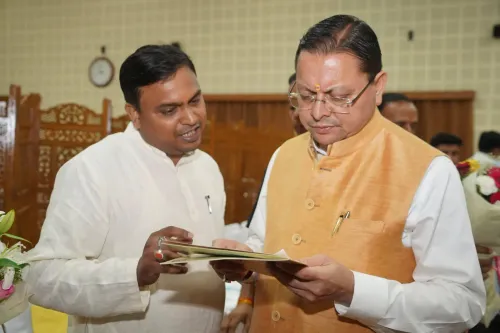
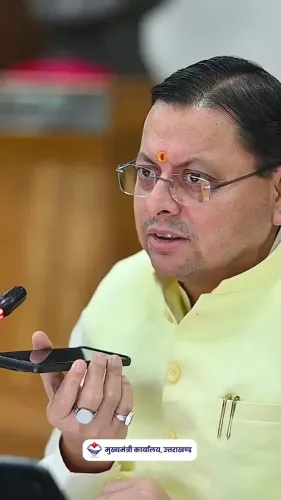
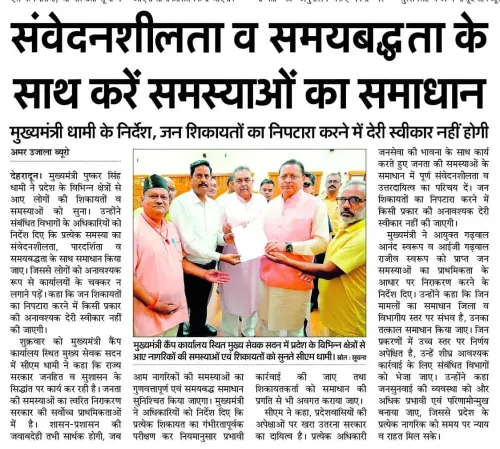
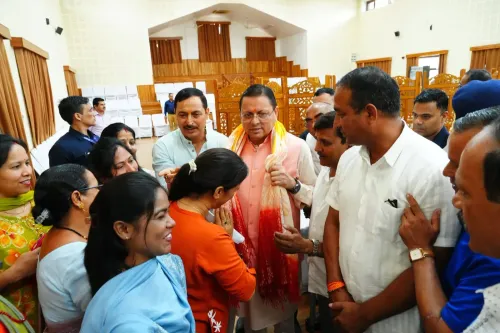
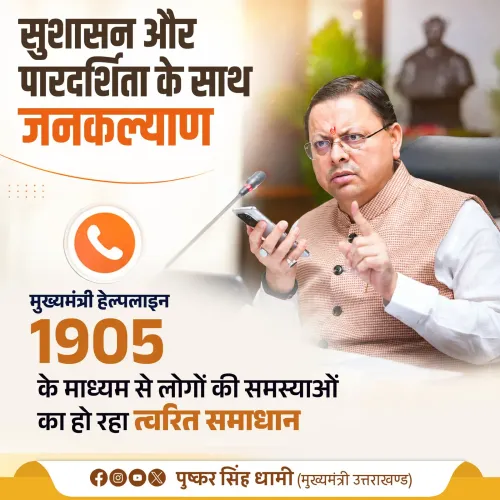
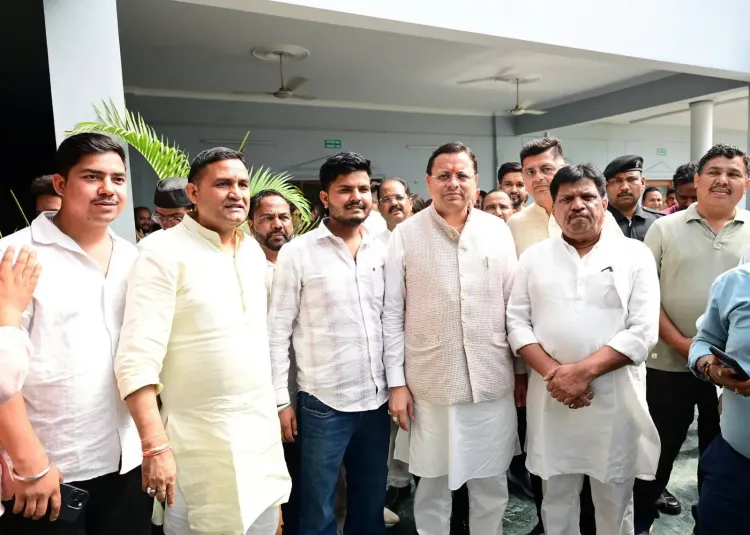
The post was accompanied by four images , likely related to the grievance in question.
The practice of responding to public complaints via social media is part of Uttarakhand 's broader e-governance strategy under Dhami's tenure since 2021 .
No formal press statement or departmental order has been separately issued elaborating on the nature of the problems.
Follow-up action by the concerned officials will determine the practical impact of the public directive.
Uttarakhand Chief Minister Pushkar Singh Dhami on Sunday, 24 May 2026, responded publicly on X to a citizen complaint, directing concerned officials to ensure resolution of all issues in accordance with prescribed rules. The reply, posted from his verified account, was accompanied by four images and underscores his administration's practice of engaging with public grievances through social media.
Context
In his post, CM Dhami wrote in Hindi: 'संबंधित अधिकारियों को सभी समस्याओं का नियमानुसार समाधान सुनिश्चित करने के निर्देश दिए हैं' — meaning, 'Instructions have been given to the concerned officials to ensure resolution of all problems as per the rules.' The post was a direct reply within an ongoing thread on the platform, indicating a citizen had flagged specific issues to the Chief Minister.
The use of the phrase 'niyamanusaar' (as per rules) signals that the Chief Minister is directing bureaucrats to act within the existing regulatory framework rather than making any ad hoc commitments. The four images attached to the post likely relate to the grievance in question, though their specific content has not been independently verified.
Policy Backdrop
Responding to citizen complaints via X has become a standard tool of governance for several Indian chief ministers and senior officials. Uttarakhand, under Dhami's leadership since 2021, has leaned into this approach as part of broader e-governance and public grievance redressal initiatives adopted across Indian states.
State governments are required under various central and state-level frameworks to acknowledge and act on citizen complaints within defined timelines. By publicly directing officials on a social media platform, the Chief Minister creates an informal accountability trail that is visible to both the complainant and the wider public.
Stakeholders and Impact
The immediate beneficiary is the citizen or group whose grievance prompted the original post. More broadly, the exchange signals to Uttarakhand's residents that the Chief Minister's office monitors public complaints surfaced on social media and is willing to intervene at the administrative level.
For state officials and the relevant department, the public directive creates pressure to act and report back. Civil society observers note that while such social-media interventions can accelerate individual cases, their systemic impact depends on whether follow-up action is documented and whether resolutions are communicated back to complainants.
What's Next
The key question is whether the concerned officials issue a formal response or take measurable action on the grievances cited. CM Dhami's office has not issued a separate press statement elaborating on the nature of the problems or the departments involved. Citizens and watchdog groups are likely to monitor the thread for any subsequent update confirming resolution.
As Uttarakhand approaches its next legislative cycle, the administration's responsiveness to grassroots complaints will remain a visible metric of governance performance — and social media exchanges like this one will continue to serve as a public ledger of those commitments.
Point of View
Critics of this model argue that without structured follow-up and documentation, such interventions risk becoming performative rather than systemic. The pattern is worth watching as Uttarakhand heads deeper into its current legislative term, where administrative responsiveness will be a key benchmark for the Dhami government.
NationPress
7 Oct 2026
Frequently Asked Questions
What did CM Dhami post on X on 24 May 2026?
CM Pushkar Singh Dhami replied to a citizen's complaint on X, stating that he had directed the concerned officials to ensure resolution of all problems in accordance with prescribed rules.
What does 'niyamanusaar samadhan' mean in CM Dhami's post?
The Hindi phrase means 'resolution as per rules,' indicating that the Chief Minister has asked officials to address the grievances within the existing regulatory framework rather than through any special or ad hoc measure.
How does CM Dhami use social media for governance?
Since taking office in 2021, CM Dhami has regularly used X to respond to citizen complaints, directing bureaucrats to act — a practice that forms part of Uttarakhand's broader e-governance and public grievance redressal approach.
Which officials were directed by CM Dhami to resolve the complaints?
CM Dhami referred to 'concerned officials' without naming a specific department or individual in the post; the exact agencies involved are not publicly identified in the available information.
Will there be a follow-up on the grievances CM Dhami responded to?
No separate official order or departmental statement has been issued so far. Observers will watch the original X thread and official channels for any update confirming that the issues have been resolved.