Gadkari Inspects Delhi-Mumbai Expressway Packages Across 3 States
Synopsis
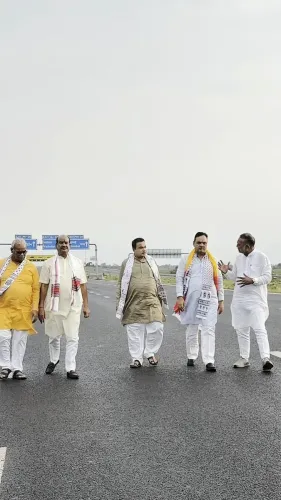
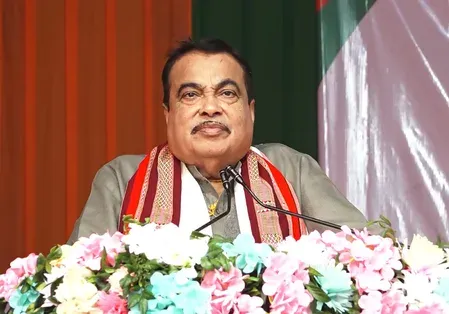
Union Minister Nitin Gadkari personally inspected over a dozen packages of the Delhi-Mumbai Expressway on 9 July 2026, covering the DND-Sohna highway in Delhi, the Mukundara 8-lane twin tunnel in Rajasthan, and three packages in Madhya Pradesh, signalling an active push for the corridor's full commissioning.
Key Takeaways
Union Minister Nitin Gadkari inspected Delhi-Mumbai Expressway packages across Delhi, Rajasthan, and Madhya Pradesh on 9 July 2026 .
The inspection covered the DND-Sohna Access Controlled Highway and Delhi-Vadodara Expressway Packages 2 through 18 .
The 8-lane Mukundara Hills twin road tunnel in Rajasthan — one of the corridor's most complex engineering sections — was among the sites reviewed.
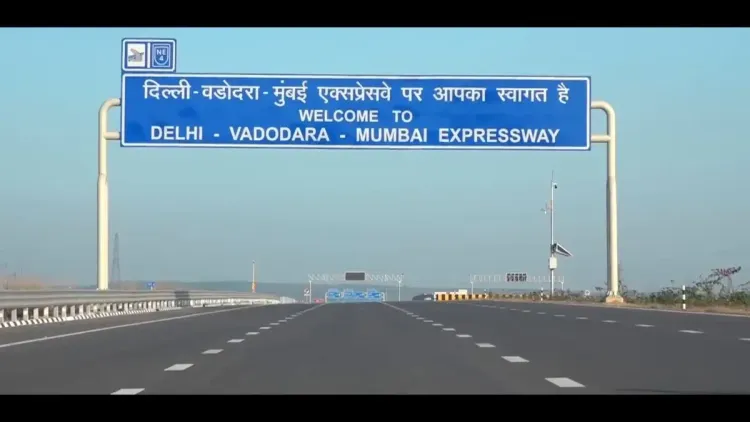
The Delhi-Mumbai Expressway is a 1,350-km Bharatmala project aimed at cutting Delhi-Mumbai travel time to around 12 hours .
Rajasthan Chief Minister Bhajanlal Sharma , Deputy CM Diya Kumari , and Lok Sabha Speaker Om Birla were tagged in the post, reflecting high-level political coordination on the Rajasthan segment.
The project is integrated with the PM Gati Shakti National Master Plan for multimodal infrastructure coordination.
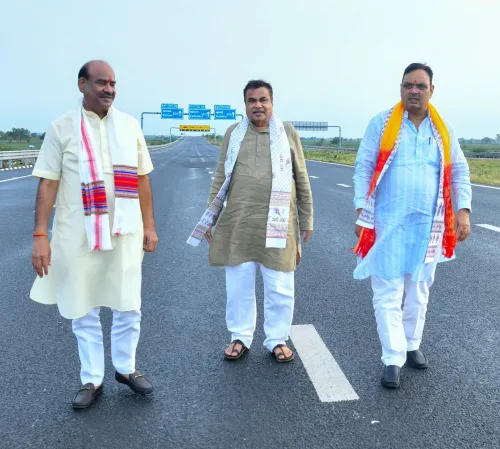
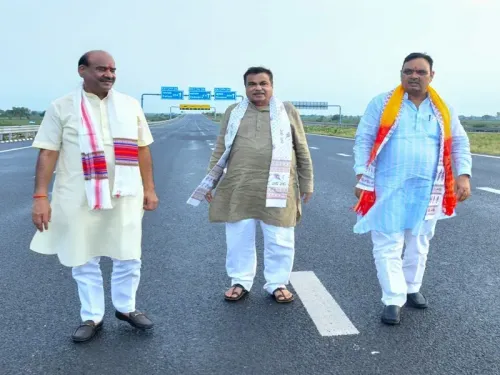
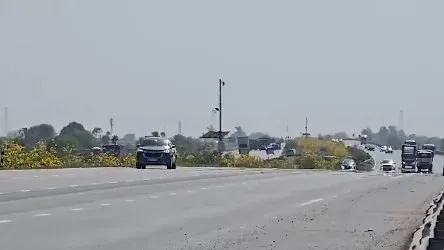
Union Road Transport and Highways Minister Nitin Gadkari on Thursday, 9 July 2026, conducted an on-ground inspection of multiple packages of the Delhi-Mumbai Expressway corridor, covering stretches across Delhi, Rajasthan, and Madhya Pradesh. The review spanned the early sections of the expressway — from the DND-Sohna Access Controlled Highway in Delhi to several Delhi-Vadodara Expressway packages, including the landmark 8-lane Mukundara twin tunnel in Rajasthan.
Context
Gadkari posted on X confirming he had personally inspected a sweeping range of packages: Packages 2 through 5 of the Delhi-Vadodara Expressway in Delhi, followed by Packages 6 through 15 in Rajasthan — including the Mukundara Hills 8-lane twin road tunnel — and Packages 16, 17, and 18 in Madhya Pradesh. The post was tagged under #PragatiKaHighway ('Highway of Progress'), #GatiShakti, #DelhiMumbaiExpressway, and #MukundaraHillsTunnel, signalling the government's framing of the project as a flagship connectivity achievement.
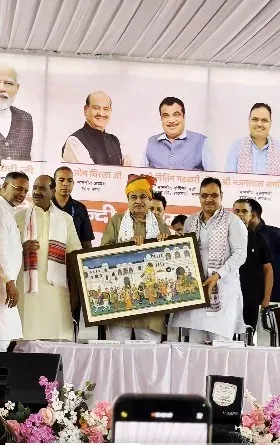
The minister tagged Bhajanlal Sharma (Chief Minister of Rajasthan), Diya Kumari (Deputy Chief Minister of Rajasthan), and Om Birla (Speaker of the Lok Sabha and MP from Kota, Rajasthan) — all key political stakeholders in the Rajasthan segment of the corridor.
Policy Backdrop
The Delhi-Mumbai Expressway is a 1,350-km access-controlled corridor designed to reduce travel time between the two cities to approximately 12 hours. It is a centrepiece of the Bharatmala Pariyojana, the central government's flagship highway development programme approved by the Cabinet in 2017. Construction on various packages began in 2018, with work executed through the National Highways Authority of India (NHAI).
The project is also integrated into the PM Gati Shakti National Master Plan, launched in 2021, which coordinates multimodal infrastructure development across ministries and states. The Delhi-Vadodara Expressway — spanning roughly 800 km across Delhi, Haryana, Rajasthan, and Madhya Pradesh — forms the northern and central spine of this larger corridor.
Stakeholders and Impact
The Mukundara Hills tunnel, one of the most technically complex sections of the alignment, passes through a protected wildlife zone in Rajasthan, making its completion a significant engineering and environmental milestone. Freight transporters and logistics operators stand to gain substantially from the corridor, as reduced travel times are expected to lower logistics costs — a stated national priority under the Gati Shakti framework.
Highway users in Delhi's southern periphery will benefit from the DND-Sohna Access Controlled Highway, which serves as the expressway's entry point from the capital. The involvement of Rajasthan's top political leadership — tagged directly by Gadkari — underscores the state government's stake in timely delivery of the Rajasthan packages.
What's Next
The inspection of packages spanning three states in a single visit suggests the Ministry is conducting a comprehensive progress review ahead of a potential milestone announcement. Attention will now turn to the completion status of the remaining packages and any revised timelines for the full operationalisation of the Delhi-Mumbai Expressway end-to-end. With the Mukundara twin tunnel and the Madhya Pradesh packages among the last major engineering challenges on the corridor, their commissioning will be a critical indicator of the project's overall delivery trajectory.
Point of View
Deputy CM, and the Lok Sabha Speaker from Kota reflects a political choreography designed to share credit for a high-visibility corridor running through BJP-governed Rajasthan. Framing the inspection under 'PragatiKaHighway' and 'GatiShakti' ties the progress directly to the government's infrastructure narrative ahead of any electoral or policy cycle. The focus on the Mukundara tunnel — an engineering and environmental flashpoint — suggests the Ministry is keen to demonstrate that the most contested sections are on track.
NationPress
9 Jul 2026
Frequently Asked Questions
What is the Delhi-Mumbai Expressway and when will it be complete?
The Delhi-Mumbai Expressway is a 1,350-km access-controlled highway under the Bharatmala Pariyojana, designed to cut travel time between the two cities to about 12 hours. Construction began in 2018 across multiple packages; the full commissioning timeline depends on the completion of remaining packages, including those in Rajasthan and Madhya Pradesh inspected by Minister Gadkari in July 2026.
What is the Mukundara Hills tunnel on the Delhi-Mumbai Expressway?
The Mukundara Hills tunnel is an 8-lane twin road tunnel in Rajasthan, forming part of the Delhi-Vadodara Expressway alignment within the broader Delhi-Mumbai corridor. It is one of the most technically complex sections of the project, passing through a sensitive zone in Rajasthan.
Which packages of the Delhi-Vadodara Expressway did Gadkari inspect?
Minister Gadkari inspected Packages 2 to 5 in Delhi, Packages 6 to 15 in Rajasthan (including the Mukundara twin tunnel), and Packages 16, 17, and 18 in Madhya Pradesh, along with the DND-Sohna Access Controlled Highway in Delhi.
What is PM Gati Shakti and how does it relate to the Delhi-Mumbai Expressway?
PM Gati Shakti is a National Master Plan launched in 2021 to coordinate multimodal infrastructure development across central ministries and state governments. The Delhi-Mumbai Expressway is integrated into this framework, ensuring alignment between highway construction, logistics, and other infrastructure projects.
Who are the political stakeholders involved in the Delhi-Mumbai Expressway in Rajasthan?
Key political stakeholders in the Rajasthan segment include Chief Minister Bhajanlal Sharma, Deputy Chief Minister Diya Kumari, and Lok Sabha Speaker Om Birla, all of whom were tagged by Minister Gadkari in his inspection post on 9 July 2026.