Shekhawat travels Delhi-Dehradun Expressway, hails Modi's Viksit Bharat vision
Synopsis
Union Culture and Tourism Minister Gajendra Singh Shekhawat on June 12 praised the new Delhi-Dehradun Expressway after travelling on it, comparing the corridor's speed and modernity to India's development journey under PM Modi's Viksit Bharat vision.
Key Takeaways
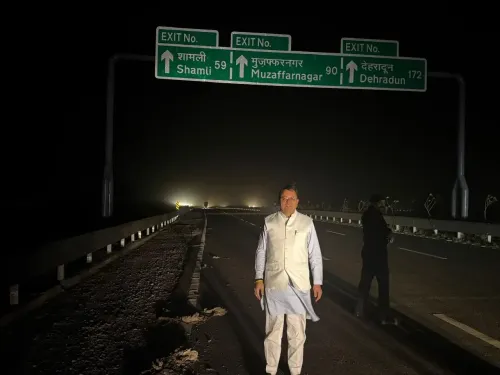
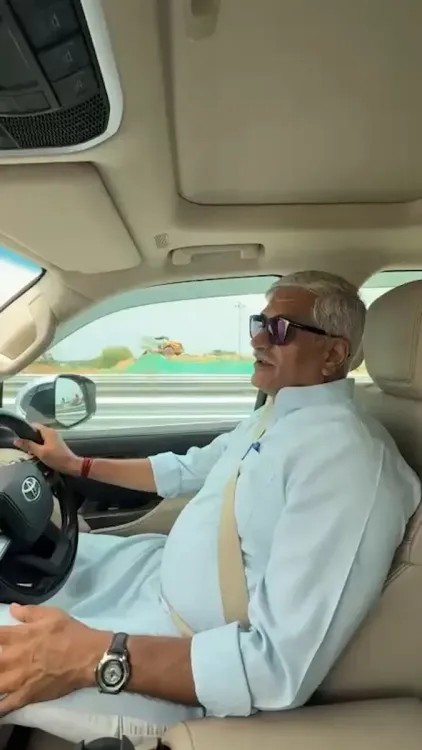
Union Culture and Tourism Minister Gajendra Singh Shekhawat travelled on the Delhi-Dehradun Expressway on June 12, 2026 , calling the journey 'extremely pleasant and smooth'.
He drew a parallel between the expressway and India's progress under PM Narendra Modi towards Viksit Bharat .
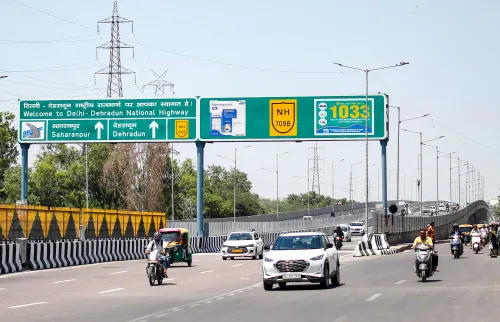
The 210-km access-controlled expressway is designed to cut Delhi-Dehradun travel time to under three hours .
The project is part of Bharatmala Pariyojana , launched in 2015 to develop over 34,000 km of national highways.
Shekhawat tagged PMO India , CM Pushkar Singh Dhami , Nitin Gadkari , and tourism handles, signalling coordinated cross-ministry messaging.
Uttarakhand tourism arrival data for 2026-27 will be a key indicator of the corridor's impact on visitor growth.
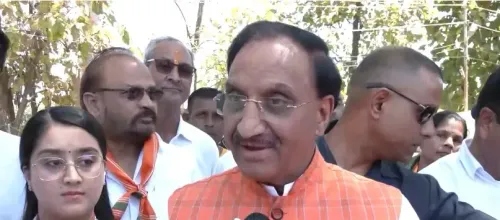
Union Culture and Tourism Minister Gajendra Singh Shekhawat on Friday, June 12, 2026, shared his experience travelling on the new Delhi-Dehradun Expressway, calling the journey 'extremely pleasant and smooth' and drawing a direct parallel between the corridor's speed and the nation's development trajectory under Prime Minister Narendra Modi.
What the minister said
Posting in Hindi on X, Shekhawat wrote: 'दिल्ली से देहरादून के नए एक्सप्रेसवे पर मेरा सफ़र अत्यंत सुखद और सुगम रहा' ['My journey on the new Delhi-Dehradun Expressway was extremely pleasant and smooth']. He extended the metaphor to national progress, saying that under PM Modi's leadership, 'the nation advancing towards Viksit Bharat [Developed India] is, like this expressway, fast, modern, and continuously moving towards its goal.' The post tagged PMO India, Uttarakhand Chief Minister Pushkar Singh Dhami, Union Road Transport Minister Nitin Gadkari, the Ministry of Culture, and the Ministry of Tourism, signalling deliberate cross-ministry messaging.
Context: the Delhi-Dehradun Expressway project
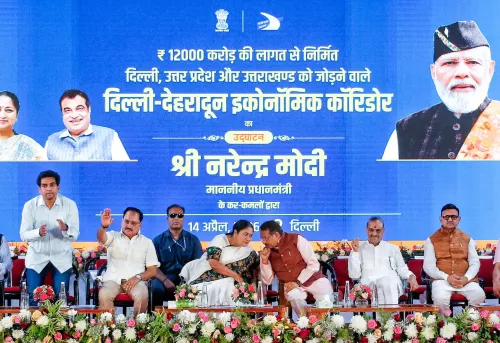
The Delhi-Dehradun Expressway is a 210-kilometre access-controlled highway project engineered to reduce travel time between the two cities to under three hours, down from roughly six hours on older routes. The project forms part of Bharatmala Pariyojana, the Central government's umbrella highway programme launched in 2015 to develop over 34,000 km of national highways and economic corridors. Multiple expressway segments under Bharatmala were inaugurated between 2020 and 2024, including stretches of this corridor.
The route passes through ecologically sensitive zones in Uttarakhand, making its engineering and environmental clearances a subject of sustained public and parliamentary attention. The expressway is designed to serve both daily commuters and the heavy tourist and pilgrimage traffic headed to Haridwar, Rishikesh, and the broader Garhwal Himalayan belt.
Policy backdrop: tourism, connectivity, and Viksit Bharat
The Central government has consistently framed expressway completions as enablers of tourism growth, particularly for Himalayan states that draw millions of pilgrims and adventure tourists annually. Shekhawat's tagging of @incredibleindia and the #Tourism hashtag reinforces the government's stated strategy of linking improved road connectivity directly to the Incredible India tourism promotion brand.
Similar cross-ministry messaging has accompanied the opening of other Bharatmala corridors, including the Delhi-Mumbai Expressway and the Amritsar-Jamnagar Economic Corridor. The pattern reflects a deliberate communications approach in which infrastructure milestones are co-owned by tourism, culture, and transport ministries to maximise political and policy visibility.
Stakeholders and impact
The expressway's primary beneficiaries include Uttarakhand residents, road-freight operators, and the millions of tourists and pilgrims who travel the Delhi-Dehradun corridor each year. Faster, safer access to the state is expected to reduce logistics costs and improve emergency response times in a region prone to seasonal weather disruptions. Tourism industry stakeholders in Haridwar and Rishikesh have long cited poor road connectivity as a constraint on visitor growth and hotel occupancy rates.
What's next
Uttarakhand's tourism arrival data for the 2026-27 season will be a key metric for assessing whether improved connectivity translates into measurable visitor growth. Parliamentary scrutiny of project costs and any outstanding land-acquisition matters on remaining expressway segments is also anticipated. Shekhawat's post, with its explicit tourism framing, suggests the Ministry of Tourism may integrate the corridor into its domestic promotion campaigns in the months ahead.
Point of View
Tourism, and culture — to amplify political credit for Bharatmala milestones. By personally travelling the corridor and posting in Hindi with a Viksit Bharat metaphor, the minister signals that the expressway is being positioned as a tourism-connectivity success story ahead of the 2026-27 pilgrimage and holiday season. The tagging of Chief Minister Dhami and Minister Gadkari also points to coordinated Centre-state messaging on Uttarakhand's development narrative. Whether the expressway delivers measurable tourism dividends will determine how durable this political framing proves to be.
NationPress
26 Oct 2026
Frequently Asked Questions
What is the Delhi-Dehradun Expressway?
The Delhi-Dehradun Expressway is a 210-kilometre access-controlled highway project under Bharatmala Pariyojana, designed to reduce travel time between Delhi and Dehradun to under three hours.
Why did Gajendra Singh Shekhawat travel on the Delhi-Dehradun Expressway?
Minister Shekhawat travelled the new expressway and shared his experience on June 12, 2026, praising its quality and linking it to India's development progress under PM Modi's Viksit Bharat vision.
What is Bharatmala Pariyojana?
Bharatmala Pariyojana is a Central government umbrella programme launched in 2015 for the development of over 34,000 km of national highways and economic corridors across India.
How does the Delhi-Dehradun Expressway benefit tourism in Uttarakhand?
The expressway improves access to major tourism and pilgrimage destinations such as Haridwar and Rishikesh, potentially reducing travel time and logistics costs for millions of visitors annually.
Who is responsible for building the Delhi-Dehradun Expressway?
The expressway is executed under the Union Ministry of Road Transport and Highways, headed by Minister Nitin Gadkari, as part of the Bharatmala Pariyojana programme.