Delhi-Dehradun Economic Corridor: A New Era of Connectivity and Growth
Synopsis
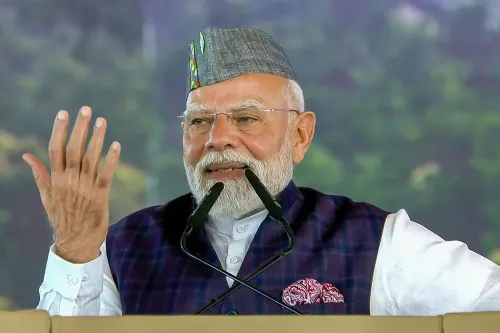
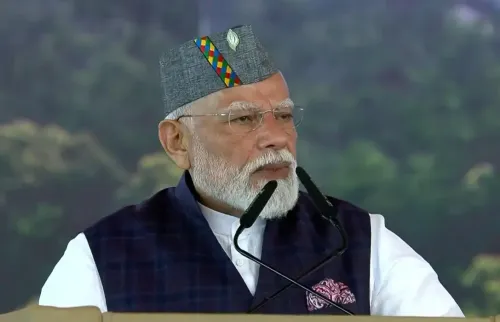
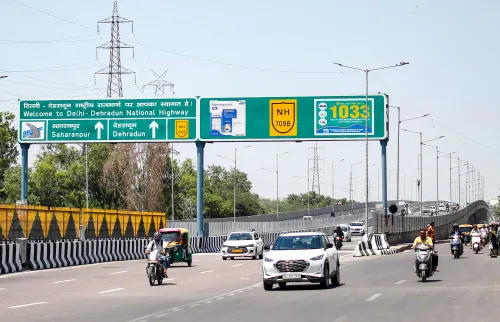
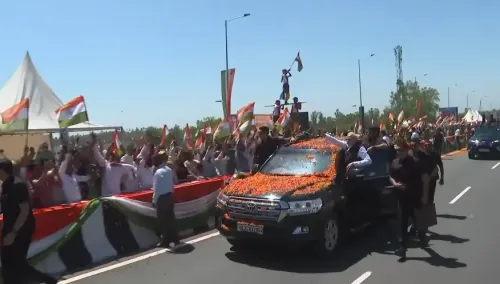
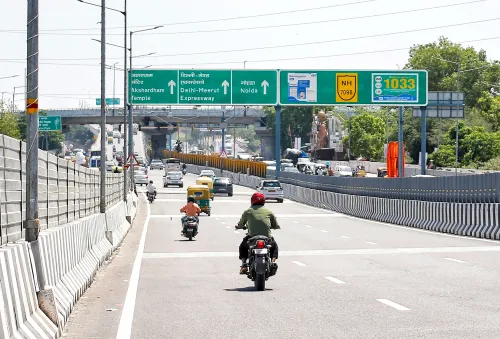
Dehradun witnessed an electrifying moment as PM Modi inaugurated the Delhi-Dehradun Economic Corridor, heralding a new chapter in connectivity and economic prosperity for Uttarakhand. This project is set to revolutionize travel, tourism, and trade in the region. Discover the transformative impact of this ambitious initiative.
Key Takeaways
Significant reduction in travel time between Delhi and Dehradun.
Boost to tourism and trade in the region.
Infrastructure advancement long awaited by the state.
Strengthened ties between Uttarakhand and major cities.
Positive regional impact across North India.
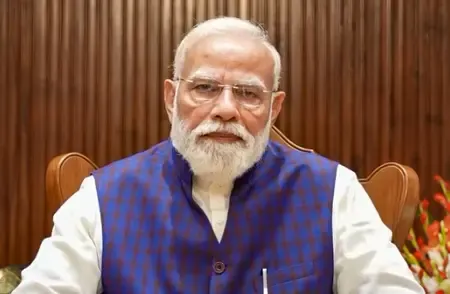
Dehradun, April 14 (NationPress) Upon Prime Minister Narendra Modi's arrival in Dehradun to launch the Delhi–Dehradun Economic Corridor, a wave of hope surged through Uttarakhand. Political leaders, spiritual figures, and community representatives hailed the initiative as a revolutionary advancement for connectivity, tourism, and economic development in the area.
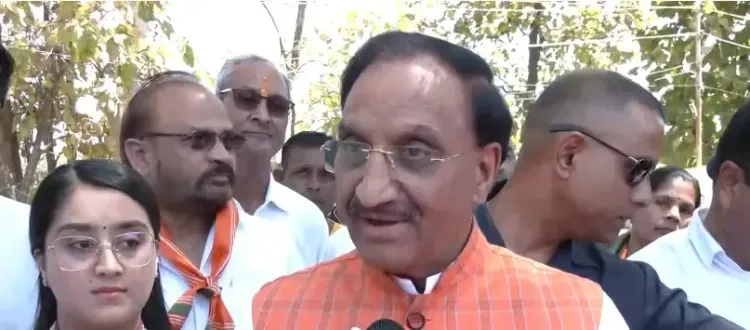
Former Uttarakhand Chief Minister Ramesh Pokhriyal Nishank commended Prime Minister Modi, emphasizing that Uttarakhand occupies a unique position in his priorities. He asserted that the Prime Minister's dedication is evident through substantial development projects that have garnered widespread public support.
In agreement, Badri-Kedar Temple Committee Chairman Hemant Dwivedi referred to the occasion as "historic," describing the expressway as a "second lifeline" for Uttarakhand. He noted that such infrastructural progress had been long anticipated, and highlighted the Prime Minister’s regular visits to significant pilgrimage sites, such as Kedarnath and Badrinath, as a testament to his deep-seated connection with the region.
BJP officials also stressed the project’s economic and developmental implications.
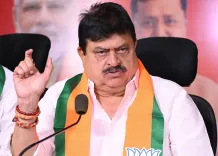
Rajya Sabha MP Naresh Bansal characterized the expressway as a groundbreaking greenfield project poised to significantly enhance tourism, trade, and comprehensive growth. He expressed appreciation to the Prime Minister for prioritizing such extensive infrastructure developments.
BJP MLA Munna Singh Chauhan labeled the initiative a "landmark success," pointing out its status as one of Asia’s longest green corridors. He highlighted that travel time between Delhi and Dehradun, previously spanning 8 to 10 hours, would be cut down to approximately 2 to 2.25 hours.
Likewise, BJP MLA Sahdev Singh Pundir noted that the new route would effectively link Uttarakhand, Uttar Pradesh, and Delhi, shortening travel time to around two-and-a-half to three hours. MLA Bishan Singh Chuphal mentioned that journey durations have steadily decreased over the years, crediting the recent advancements to ongoing infrastructural development under the current leadership.
MLA Brij Bhushan Gairola also expressed his gratitude, calling it a moment of pride for the inhabitants of "Devbhoomi" Uttarakhand.
BJP Metropolitan President Siddhartha Umesh Agarwal pointed out the broader regional implications, noting a "very positive atmosphere" across North India, as the expressway is expected to benefit travelers from various states.
Former BJP MP Balraj Pasi remarked that this project has elevated Uttarakhand’s status on a global scale, highlighting its magnitude and engineering significance.
Religious leaders and seers welcomed the initiative, commending the Prime Minister’s respect for Uttarakhand and its spiritual legacy. They described the expressway as a stunning corridor that merges modern infrastructure with natural beauty, further bolstering the state’s allure.
In summary, the Delhi–Dehradun Expressway is broadly viewed as a transformative initiative, promising enhanced connectivity, economic invigorations, and a rise in tourism, while solidifying Uttarakhand’s strategic and cultural prominence.
Point of View
The inauguration of the Delhi-Dehradun Economic Corridor signifies a monumental step towards enhancing regional connectivity and economic development. It reflects the government's commitment to infrastructure improvement, which is crucial for sustaining growth and promoting tourism in Uttarakhand. This project is poised to make a substantial impact on the local economy and the lives of its residents.
NationPress
18 Sept 2026
Frequently Asked Questions
What is the Delhi-Dehradun Economic Corridor?
The Delhi-Dehradun Economic Corridor is a newly inaugurated expressway that aims to enhance connectivity between Delhi and Dehradun, significantly reducing travel time and boosting economic activities in the region.
How long will travel between Delhi and Dehradun take now?
The travel time between Delhi and Dehradun is expected to be reduced from approximately 8-10 hours to around 2 to 2.25 hours.
What are the expected benefits of this corridor?
The corridor is anticipated to improve tourism, trade, and overall economic development in Uttarakhand, making it a significant infrastructure advancement for the state.
Who inaugurated the corridor?
The corridor was inaugurated by Prime Minister Narendra Modi.
Why is this project important for Uttarakhand?
This project is crucial for Uttarakhand as it enhances connectivity, promotes economic growth, and supports the state's tourism sector, reinforcing its strategic importance.