CM Sawant inaugurates First World Konkani Music Mega Convention

Synopsis
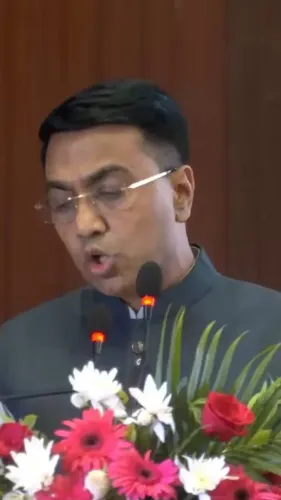
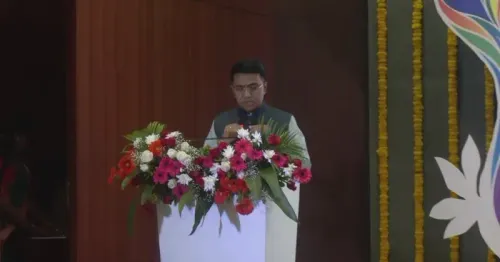
Goa Chief Minister Pramod Sawant inaugurated the First World Konkani Music Mega Convention on November 3, 2026, bringing together musicians and diaspora communities globally to celebrate and preserve Konkani musical heritage — a landmark first for the language community.
Key Takeaways
Goa CM Pramod Sawant inaugurated the First World Konkani Music Mega Convention on November 3, 2026 .
This is the first-ever global convention dedicated exclusively to Konkani music and its performing traditions.
Konkani was recognised as Goa's official language under the Goa Official Language Act, 1987 and added to the Eighth Schedule of the Indian Constitution in 1992 .
The event targets both resident Konkani communities and the global Goan diaspora .
Follow-up announcements on new music projects and state budget allocations for Konkani cultural infrastructure are expected.
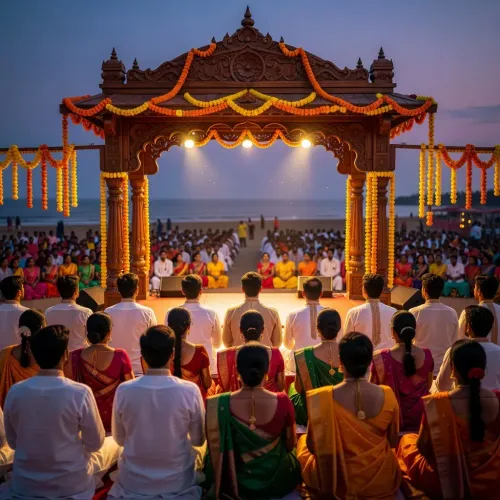
A milestone moment for one of India's most cherished coastal languages arrived on Tuesday, November 3, 2026, as Goa Chief Minister Pramod Sawant inaugurated the First World Konkani Music Mega Convention — a landmark gathering that brings together Konkani musicians and diaspora communities from across the globe for the very first time.
A first-ever stage for Konkani music
The convention marks an unprecedented moment for Goa and its linguistic community. Never before has Konkani music — spanning folk, devotional, and contemporary genres — been the centrepiece of a world-scale convention designed to celebrate, document, and energise this tradition. For a language that fought decades for formal recognition, this is a homecoming of sorts.
Konkani's journey to legitimacy was hard-won. The Goa Official Language Act of 1987 first recognised it as the state's official language, and its inclusion in the Eighth Schedule of the Indian Constitution in 1992 opened the door to central government support for language and culture programmes. That constitutional milestone is now bearing fruit on a world stage.
Goa's long bet on cultural diplomacy
Chief Minister Sawant, who has championed state-level cultural initiatives since taking office in 2019, has consistently used large-format events to bind Goa's identity to its language and performing arts. A convention of this scale fits squarely into that playbook — Goa has long understood that its soft power lies not only in its beaches and tourism economy, but in its living musical heritage.
Indian states with distinct linguistic identities have periodically hosted conventions of this kind to strengthen community ties, preserve performing arts traditions, and pull diaspora networks closer. Goa's edition goes further by making the global Konkani diaspora its explicit audience — a recognition that the custodians of this tradition now span continents.
What the convention sets in motion
Beyond the inauguration, the real test of the convention's impact lies in what follows: new collaborative music projects, policy commitments on Konkani cultural infrastructure, and potential state budget allocations to sustain momentum. Konkani musicians and cultural organisations will be watching for formal resolutions or institutional frameworks that outlast the event itself.
One language, one stage, one historic first. Whether this convention becomes an annual fixture or a one-off milestone depends entirely on the political and creative will it now generates.
Point of View
Turning the diaspora into both audience and stakeholder. The real measure of success, however, will be whether institutional infrastructure — funding, training, archiving — follows the inauguration or whether the event remains a symbolic gesture.
NationPress
3 Nov 2026
Frequently Asked Questions
What is the First World Konkani Music Mega Convention?
It is the first-ever global convention dedicated to Konkani music, inaugurated by Goa Chief Minister Pramod Sawant on November 3, 2026, to bring together musicians and diaspora communities worldwide.
When was Konkani recognised as an official language in Goa?
Konkani was recognised as Goa's official language under the Goa Official Language Act of 1987, and was subsequently included in the Eighth Schedule of the Indian Constitution in 1992.
Who inaugurated the World Konkani Music Mega Convention?
Goa Chief Minister Pramod Sawant inaugurated the convention on November 3, 2026.
Why is this convention significant for Konkani culture?
It is the first time Konkani music has been the centrepiece of a world-scale gathering, providing a global platform for artists and diaspora communities to celebrate and preserve the tradition.
What can we expect after the Konkani Music Convention?
Observers will watch for resolutions on new collaborative music projects, state budget allocations for Konkani cultural infrastructure, and institutional frameworks to sustain the momentum generated by the convention.