Trump backs 3 New York Republicans in midterm phone rally push
Synopsis
With midterm voting underway on 3 November, Trump took to a telephone rally to personally stump for three New York Republican candidates, weaving together tax cuts, immigration enforcement, gun rights, and even Iran policy into a single campaign pitch — a sign of how broadly he is framing the congressional contests as a verdict on his entire presidency.
Key Takeaways
President Trump held a telephone rally on 3 November to campaign for Mike Lawler , Mike LiPetri , and Jeanine Driscoll in New York congressional races.
Trump highlighted the SALT deduction as a key issue for New York taxpayers, crediting Lawler for his work on it.
He accused Democrats of seeking citizenship for undocumented immigrants for electoral gain — a claim the source material does not corroborate.
Trump extended the call beyond domestic policy, defending military action against Iran and predicting lower oil prices after the confrontation ends.
He also praised Bruce Blakeman as his choice for New York governor.
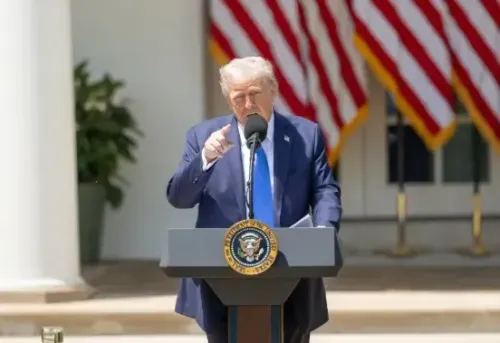
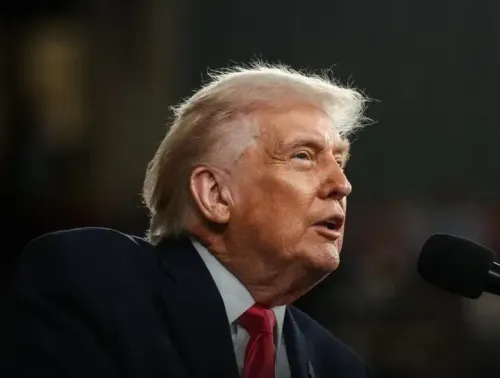
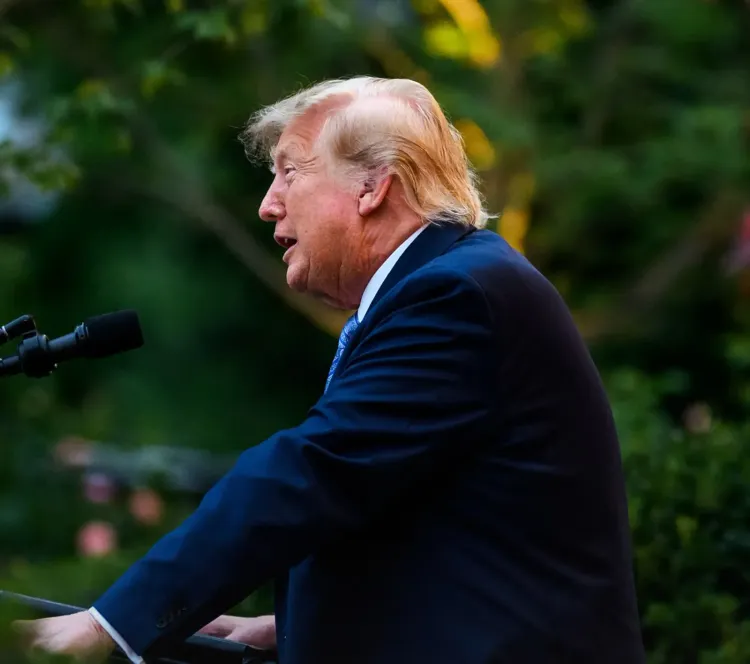
US President Donald Trump on 3 November made a final telephone campaign pitch to New York voters, urging them to elect three Republican congressional candidates — Mike Lawler, Mike LiPetri, and Jeanine Driscoll — ahead of the midterm elections. Trump argued that his tax policies, immigration agenda, and broader legislative programme were directly at stake in the contests.
The Candidates Trump Backed
Addressing a virtual rally, Trump offered distinct pitches for each candidate. He singled out Lawler for his work on the federal deduction for state and local taxes — commonly known as SALT — describing the deduction as particularly significant for New York taxpayers and crediting Lawler with close collaboration on the issue.
He presented Driscoll, the Hempstead town receiver, as a fiscal steward who had delivered savings for local taxpayers. Trump linked her prospective election to preserving policies he described as removing taxes on tips, overtime, and Social Security benefits. His remarks did not specify the provisions, eligibility rules, or limits of those measures.
Backing LiPetri against Democratic Congressman Tom Suozzi, Trump argued that LiPetri had opposed tax increases during his time in Albany and would carry the same approach to Washington.
Immigration and Gun Rights at the Centre
Trump made immigration enforcement a recurring theme of the rally. He sharply criticised Suozzi over the issue and accused Democrats broadly of seeking citizenship for undocumented immigrants to generate electoral support. The source material includes no response from Suozzi, and no evidence is offered establishing that alleged motive.
He also accused Democratic opponents of threatening Second Amendment protections and said his preferred candidates would resist any restrictions on gun rights. We want a wall. We want low taxes. We want a strong military,
Trump said during the call.
Foreign Policy and Energy Prices
In a notable extension beyond domestic policy, Trump addressed Iran during a call nominally focused on congressional races. He defended military action against Tehran as necessary to prevent it from acquiring a nuclear weapon, claimed that Iranian military capabilities had been severely damaged, and predicted that oil prices would fall once the confrontation was resolved. The source material contains no independent assessment of those military claims or support for his energy-price forecast.
Drug Pricing and the Broader Stakes
Trump also claimed that his administration's drug pricing policy was lowering medicine costs and warned that a Democratic electoral advance would reverse those changes. He framed the three New York races as a referendum on his administration's programme at large, describing telephone rallies as a key tool in his campaign effort. He separately praised Bruce Blakeman as his preferred candidate for New York governor.
With voting underway on 3 November, results from the three targeted congressional districts will serve as an early indicator of how Trump's personal endorsement and telephone outreach translate into votes in a traditionally Democratic-leaning state.
Point of View
Energy prices, and drug policy into a call nominally about three congressional districts reveals a deliberate strategy: nationalise every local race and make it a plebiscite on his presidency. That approach has succeeded for him before, but New York's structural Democratic lean makes the three targets genuinely competitive tests of his endorsement power rather than safe bets. Notably, his claims on immigration motive and military outcomes went uncontested in the source material — a reminder that telephone rallies, unlike press conferences, are designed to generate assertion, not scrutiny. The real measure of this pitch will be whether turnout in Hempstead and the SALT-sensitive suburbs moves on 3 November.
NationPress
3 Nov 2026
Frequently Asked Questions
Which candidates did Trump endorse in New York ahead of the midterms?
Trump endorsed Mike Lawler, Mike LiPetri, and Jeanine Driscoll — three Republican candidates running in New York congressional races. He made the endorsements during a telephone rally on 3 November, the day of the midterm vote.
What issues did Trump highlight in his New York phone rally?
Trump focused primarily on tax policy — including the SALT deduction — immigration enforcement, gun rights, and drug pricing. He also addressed Iran and energy prices, extending the call well beyond the domestic issues typical of a congressional campaign pitch.
What is the SALT deduction and why did Trump raise it?
SALT stands for the federal deduction for state and local taxes, which is especially valuable to taxpayers in high-tax states like New York. Trump credited Mike Lawler with working closely with him on the issue and framed it as a reason New York voters should back Lawler.
What did Trump say about immigration during the rally?
Trump sharply criticised Democratic Congressman Tom Suozzi over immigration and accused Democrats of seeking citizenship for undocumented immigrants to build electoral support. The source material includes no response from Suozzi and provides no evidence establishing that alleged motive.
What did Trump say about Iran during a rally focused on New York races?
Trump defended military action against Iran as necessary to prevent it from acquiring a nuclear weapon, claimed Iranian military capabilities had been severely damaged, and predicted oil prices would fall once the standoff ended. The source material contains no independent verification of those military claims or his energy-price forecast.