Goa CM Highlights E-Governance, Revenue Dept Saturday Sessions
Synopsis
Goa Chief Minister Pramod Sawant spotlighted e-governance and digitalisation as tools for better public service delivery, and praised the Revenue Department for running Saturday sessions to fast-track tenancy and Mundkar case disposal.
Key Takeaways
Chief Minister Pramod Sawant on October 26, 2026 highlighted e-governance and digitalisation as central to improving ease of living in Goa.
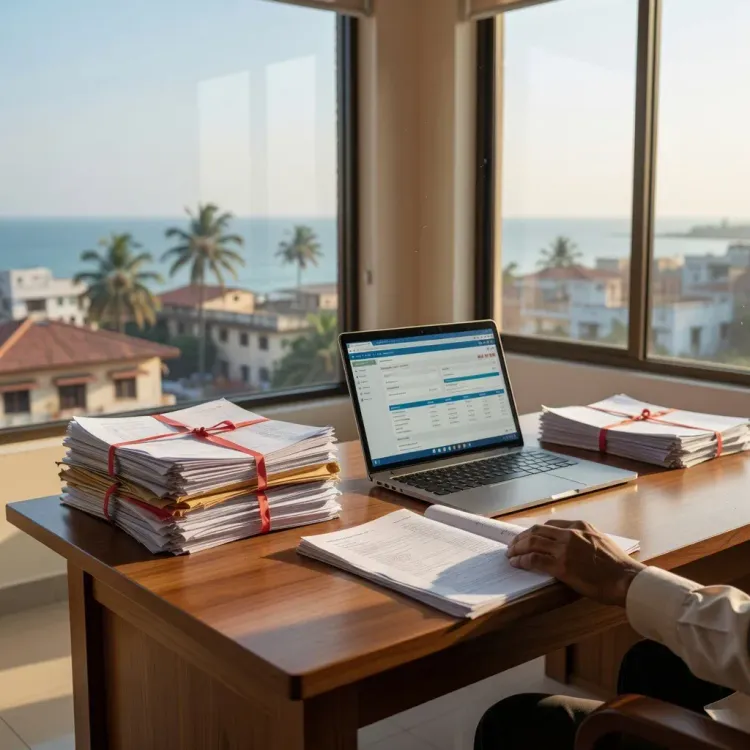
The Revenue Department is running Saturday working sessions specifically to expedite tenancy and Mundkar case disposal.
Mundkar rights are a Goa-specific legal category protecting agricultural and domestic labourers on private landholdings — cases can drag for years.
The initiative aligns with the national Digital India programme (launched 2015 ) pushing states to digitise public service delivery.
Quarterly disposal-rate data for tenancy and Mundkar cases will be the key metric to watch for real impact.
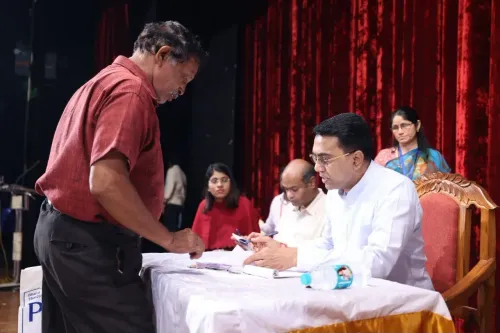
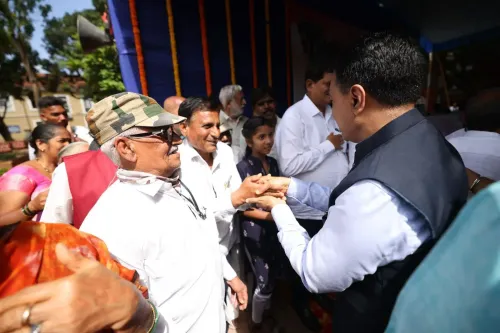
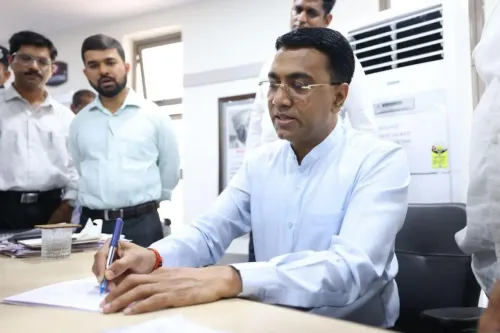
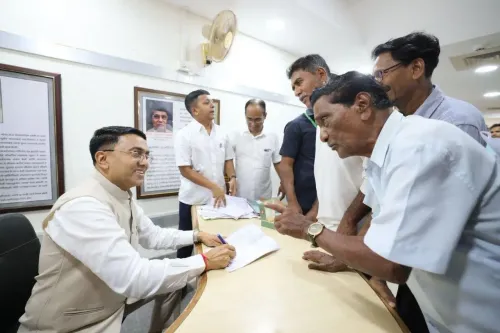
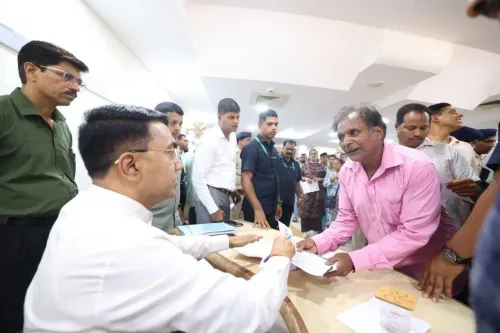
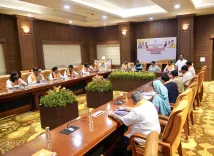
A push to make government faster and more accessible for ordinary Goans took centre stage on Monday, October 26, 2026, as the Chief Minister's Office of Goa shared that Chief Minister Pramod Sawant highlighted the critical role of e-governance, digitalisation, and innovative initiatives in improving ease of living and public service delivery — and gave a pointed nod to the Revenue Department for running special Saturday working sessions to clear the backlog of tenancy and Mundkar cases.
The CMO post noted that Sawant 'appreciated the efforts of the Revenue Department in expediting tenancy and Mundkar cases through Saturday working sessions' — a detail that signals not just process reform, but a deliberate cultural shift inside a department long associated with slow-moving land disputes.
Why Tenancy and Mundkar Cases Matter to Goa
Goa's land law landscape is unlike most Indian states. Mundkar rights — a specific category under Goa's tenancy legislation — govern the rights of agricultural and domestic labourers who have traditionally occupied and worked on private landholdings. These cases can drag on for years, trapping families in legal limbo and stalling land-related decisions. The Revenue Department sits at the centre of this ecosystem, adjudicating disputes that directly affect the livelihoods of Goa's tenants and mundkars. By deploying Saturday working sessions, the department is effectively adding functional working days to a calendar that governs how quickly citizens see resolution. It is a simple lever — but in bureaucratic systems, simple levers, pulled consistently, move mountains.E-Governance as the Longer Game
Sawant, who has been Chief Minister since 2019, has consistently positioned administrative digitisation as a governance priority. The emphasis on e-governance aligns Goa with the broader Digital India programme launched nationally in 2015, which pushed states to digitise public service delivery and reduce citizen-to-bureaucrat friction. Indian states have increasingly used dedicated digital platforms and special administrative drives to attack backlogs in revenue and land matters — Goa's Saturday sessions fit squarely within that national pattern. The broader ambition, as framed by the CMO, is 'improving ease of living' — a phrase that echoes the Centre's own metrics on governance quality, suggesting Goa is actively benchmarking itself against national standards. The real test will come in the numbers: quarterly disposal rates for tenancy and Mundkar cases will reveal whether Saturday hustle translates into durable progress — or whether the backlog simply grows faster than sessions can clear it.Point of View
Boots-on-the-ground Saturday sessions on the other — reflects a pragmatic governance calculus: technology alone cannot dissolve Goa's uniquely complex land-law backlog, so administrative willpower must supplement it. The Mundkar and tenancy focus is politically astute too; these cases sit at the intersection of agrarian rights and property development, two vectors of tension in a state rapidly urbanising around tourism. Whether this translates into measurable case-disposal improvements, or remains a signalling exercise ahead of future electoral cycles, will depend on whether the Saturday sessions are institutionalised or quietly wound down. The broader pattern — states using special drives to attack revenue backlogs — is well-established across India, but Goa's specific legal framework makes the stakes unusually high for individual families.
NationPress
26 Oct 2026
Frequently Asked Questions
What are Mundkar cases in Goa?
Mundkar cases relate to the rights of agricultural and domestic labourers who have traditionally occupied and worked on private landholdings in Goa under state-specific tenancy legislation. These disputes can take years to resolve and are handled by the Revenue Department.
Why is the Goa Revenue Department working on Saturdays?
The Revenue Department of Goa introduced Saturday working sessions specifically to expedite the disposal of pending tenancy and Mundkar cases, reducing the backlog that affects citizens' land and livelihood rights.
What e-governance initiatives is Goa promoting?
Chief Minister Pramod Sawant has highlighted digitalisation and innovative governance initiatives aimed at improving public service delivery and ease of living, in line with the national Digital India programme.
Who is the Chief Minister of Goa in 2026?
Pramod Sawant has been the Chief Minister of Goa since 2019 and continues in office as of October 2026, focusing on administrative reforms and digital governance.
How does Goa's governance reform connect to Digital India?
Goa's push for e-governance and digitalisation of public services aligns with the national Digital India programme launched in 2015 , which encourages states to reduce bureaucratic friction through technology-driven service delivery.