CM Dhami Hikes Pay for Anganwadi, ASHA Workers on Uttarakhand Day
Synopsis
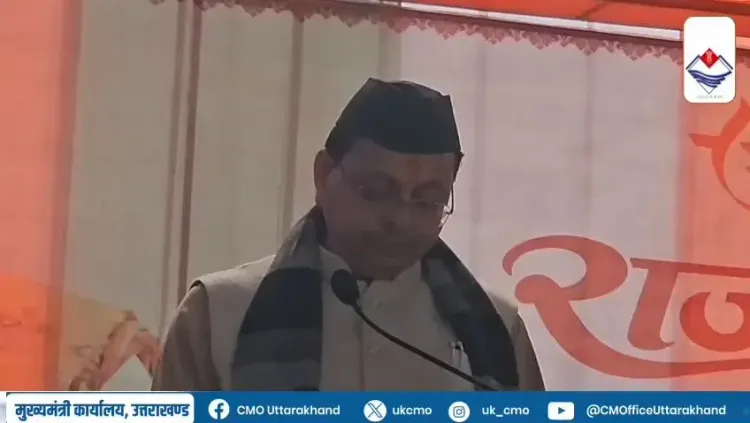
On Uttarakhand's 26th establishment day, CM Pushkar Singh Dhami announced honorarium increases for Anganwadi workers, ASHA workers, and Bhojan Matas, and two-tranche incentive payments for Lakhpati Didi beneficiaries — all declared from the symbolic Gairsain Vidhan Sabha complex in Chamoli.
Key Takeaways
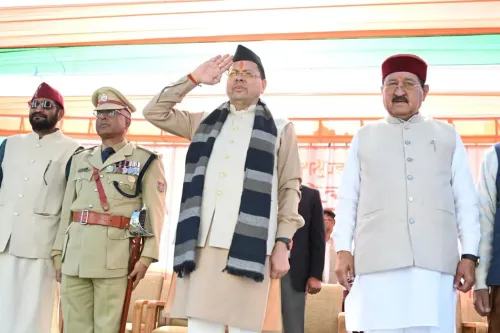
CM Pushkar Singh Dhami made welfare announcements at Bhararisain (Gairsain), Chamoli on 9 November 2026 , Uttarakhand's establishment day.
Honoraria for Anganwadi workers and helpers, ASHA workers, and Bhojan Matas will be increased.
Lakhpati Didi scheme beneficiaries will receive business-expansion and self-employment incentive funds in two instalments going forward.
Uttarakhand adopted the Lakhpati Didi programme in 2023 with a target of covering over 1 lakh women SHG members .
The venue — Gairsain Vidhan Sabha complex — carries decades of political significance as a symbol of demands for hill-centric governance.
Exact honorarium figures await formal government implementation orders.
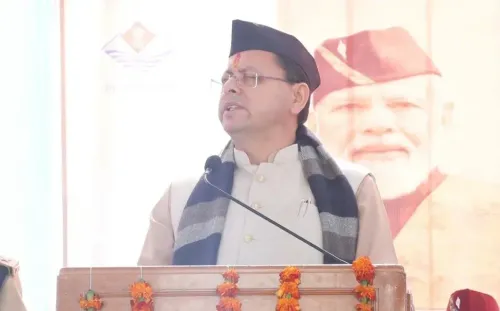
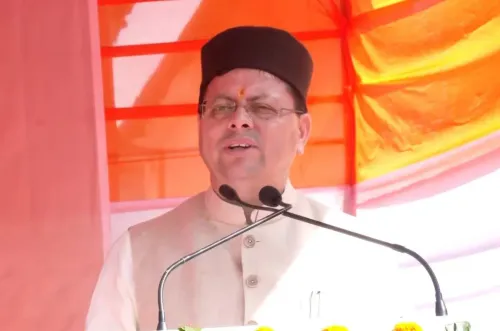
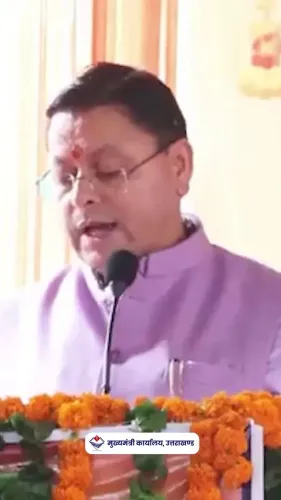
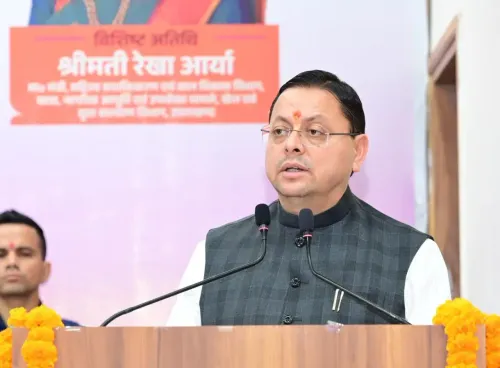
On the day Uttarakhand turned 26, its Chief Minister chose the state's most symbolically charged venue to announce a direct raise for the women who keep its rural health and nutrition system running. Chief Minister Pushkar Singh Dhami on Monday, 9 November 2026, declared enhanced honoraria for Anganwadi workers and helpers, ASHA workers, and Bhojan Matas at a state-establishment-day function held at the Vidhan Sabha complex in Bhararisain (Gairsain), Chamoli district — and paired that with a fresh incentive push for women enrolled under the Lakhpati Didi scheme.
A raise for the women running Uttarakhand's rural frontline
The honorarium hike covers three distinct cadres of frontline workers: Anganwadi karyakartriyaan (workers) and their helpers, ASHA workers, and Bhojan Matas — the women who cook and serve mid-day meals in government schools. These roles form the backbone of the state's Integrated Child Development, maternal health, and school-nutrition programmes, yet their pay has historically trailed both inflation and central government guidelines. Uttarakhand has revised these honoraria periodically since 2017, and Monday's announcement continues that incremental correction — though the exact revised amounts were not specified in the official communication.
Lakhpati Didi gets a two-tranche business boost
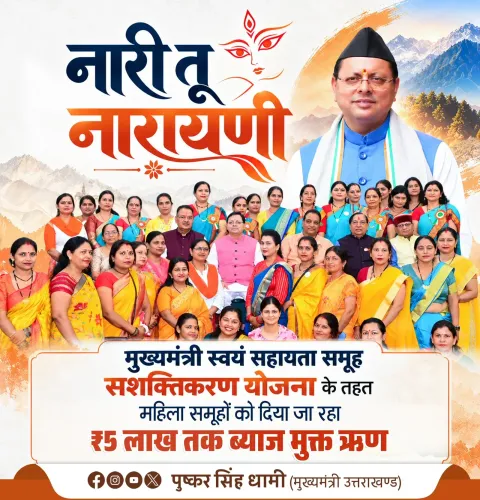
The second announcement targeted women enrolled under Lakhpati Didi, the rural-livelihood programme running under the central DAY-NRLM framework that aims to push women self-help group members past an annual household income of Rs 1 lakh. Dhami announced that incentive funds for business expansion and new self-employment activities will now be disbursed in two instalments — a structure designed to link payouts to actual enterprise milestones rather than a single upfront grant. Uttarakhand formally adopted the Lakhpati Didi programme in 2023 with a stated target of covering over 1 lakh women SHG members across the hill state.
Why Gairsain matters as the stage
Bhararisain (Gairsain) in Chamoli district is not a neutral venue. For decades, activists and political movements in the hill districts have demanded that Gairsain — geographically central to Uttarakhand's mountain interior — replace Dehradun as the state capital or at minimum serve as the permanent legislative seat. Hosting the establishment-day function here and coupling it with welfare announcements is a deliberate signal: the government is governing from the hills, for the hills. State governments in Himalayan regions have long used this pairing — symbolic decentralisation gestures combined with tangible rural-service-delivery measures — as a way to simultaneously address the capital-location debate and demonstrate policy reach into remote communities.
The revised honoraria and the two-tranche Lakhpati Didi disbursement structure now await formal implementation orders and budget provisions in the next fiscal cycle. How quickly those orders land — and whether the quantum of the raise meaningfully closes the gap with central norms — will determine whether Monday's announcements translate into real income gains for Uttarakhand's frontline women workforce.
Point of View
Lakhpati Didi and frontline-worker honoraria are not merely welfare lines — they are electoral infrastructure in a state where women's turnout and rural mobilisation routinely decide outcomes. The two-tranche Lakhpati Didi structure is notably outcome-linked, nudging implementation away from bulk disbursements toward monitored enterprise growth, which signals a maturing of scheme design in the hill states.
NationPress
9 Nov 2026
Frequently Asked Questions
Who are Anganwadi workers and why is their honorarium being increased in Uttarakhand?
Anganwadi workers run child-nutrition and early-childhood-care centres under the Integrated Child Development Scheme. Their honoraria have historically lagged inflation and central guidelines; CM Dhami announced a hike on 9 November 2026 to address this gap, though exact revised amounts are yet to be formally notified.
What is the Lakhpati Didi scheme and what did CM Dhami announce for it?
Lakhpati Didi is a central rural-livelihood programme under DAY-NRLM that helps women in self-help groups earn over Rs 1 lakh annually . CM Dhami announced that incentive funds for business expansion and new self-employment will now be disbursed in two instalments rather than a lump sum.
Why was the Uttarakhand establishment-day event held in Gairsain?
Bhararisain (Gairsain) in Chamoli district hosts Uttarakhand Vidhan Sabha sessions and is the focal point of long-standing demands for a hill-based capital or permanent legislative seat, making it a symbolically important venue for state-day functions.
When was Uttarakhand formed and what is its establishment day?
Uttarakhand was carved out of Uttar Pradesh on 9 November 2000 , and 9 November is celebrated annually as the state's establishment day ( Rajya Sthapana Diwas ).
Who are Bhojan Matas and are they also covered by the honorarium hike?
Bhojan Matas are women employed to cook and serve mid-day meals in government schools in Uttarakhand. Yes, CM Dhami's announcement on 9 November 2026 explicitly includes Bhojan Matas alongside Anganwadi and ASHA workers in the honorarium increase.