CM Dhami Raises Teelu Rauteli Award to Rs 75,000
Synopsis
Chief Minister Pushkar Singh Dhami honoured 13 women with the Teelu Rauteli award and 35 Anganwadi workers at a ceremony in Dehradun on 8 August 2026, announcing a hike in award money to Rs 75,000 and raising Anganwadi worker monthly honoraria across all cadres.
Key Takeaways
The Teelu Rauteli Puraskar cash amount has been raised from Rs 51,000 to Rs 75,000 — the second hike since 2023 when it was raised from Rs 31,000.
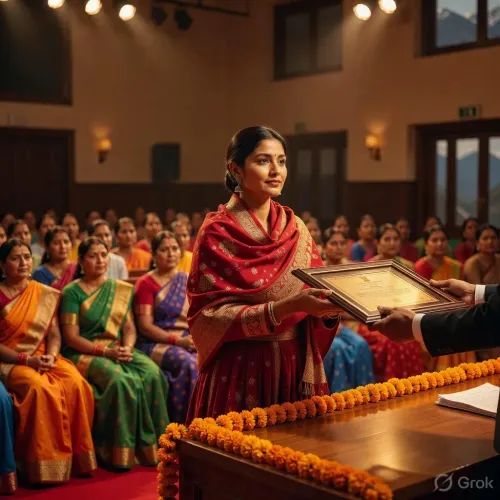
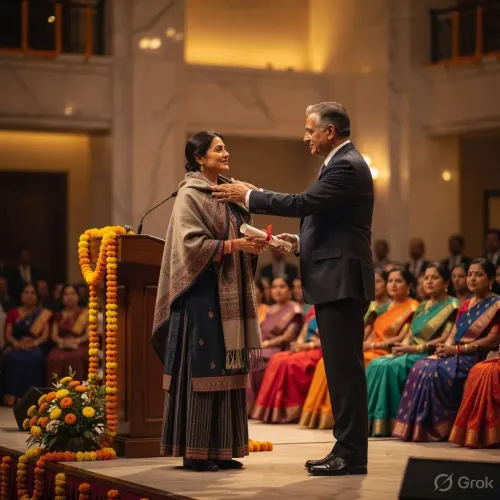
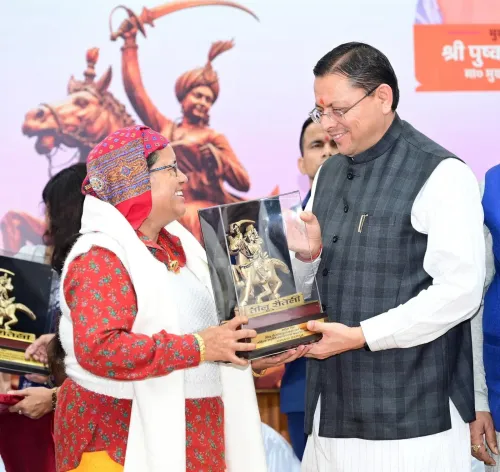
13 women received the Teelu Rauteli award and 35 Anganwadi workers were honoured at the ceremony on 8 August 2026 in Dehradun.
The Anganwadi Karyakatri award amount will increase from Rs 51,000 to Rs 61,000 .
Monthly honoraria for Anganwadi workers raised to Rs 9,300, mini-Anganwadi workers to Rs 6,250, and helpers to Rs 5,250.
Anganwadi workers will now have a formal promotion path to the supervisor grade .
Uttarakhand remains India's first state to implement the Uniform Civil Code, cited by CM Dhami as part of the state's gender-equality framework.
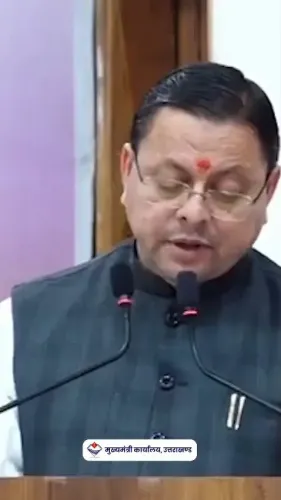
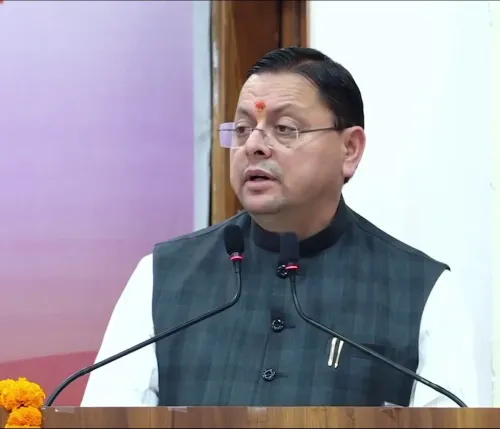
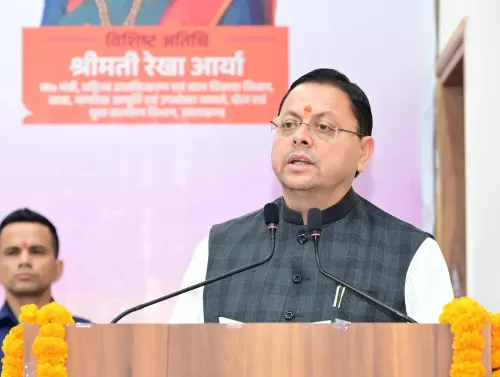
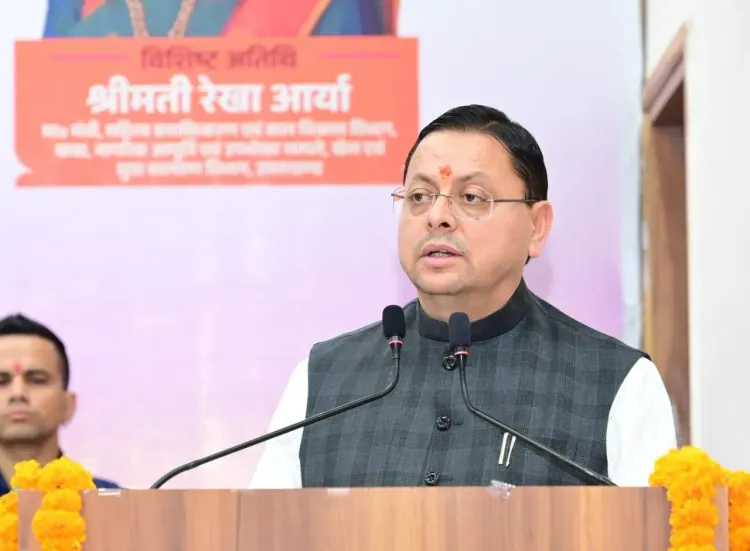
Thirteen women who shaped their communities — and thirty-five workers who quietly hold Uttarakhand's grassroots health system together — walked into the Mukhya Sevak Sadan at the Chief Minister's Camp Office on Saturday, 8 August 2026 and walked out honoured. Chief Minister Pushkar Singh Dhami presided over the Teelu Rauteli and Anganwadi Karyakatri Award Ceremony, using the occasion to announce a sharp hike in prize money that signals the state's intent to put real weight behind its recognition of women.
From Rs 51,000 to Rs 75,000 — the Teelu Rauteli award's growing value
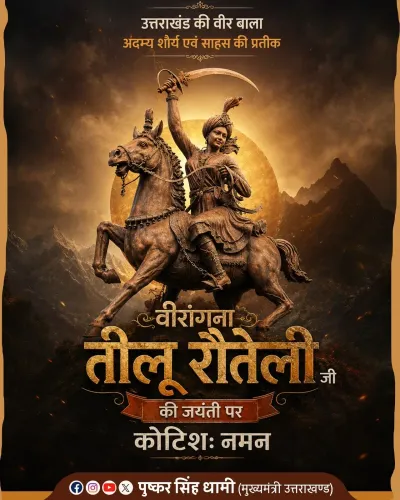
The Teelu Rauteli Puraskar — named after the legendary 18th-century Garhwali warrior woman who has become Uttarakhand's foremost symbol of feminine courage — will now carry a cash honour of Rs 75,000, up from Rs 51,000. The state had already raised the amount once before, from Rs 31,000 to Rs 51,000 in 2023; this second consecutive hike doubles the original sum in just three years. CM Dhami framed the award not as charity but as recognition owed: 'Veerangana Teelu Rauteli adamya sahas, advitiya parakram aur nari shakti ki amar prateek hain' — Warrior Teelu Rauteli is the immortal symbol of indomitable courage, unmatched valour, and women's power.
Anganwadi workers get a raise — and a promotion path
The 35 Anganwadi workers honoured at the ceremony returned home with more than a trophy. CM Dhami announced that the Anganwadi Karyakatri award money will rise from Rs 51,000 to Rs 61,000. Beyond the prize, the state has revised monthly honoraria across the cadre: Anganwadi workers will now earn Rs 9,300 per month (up from Rs 7,500), mini-Anganwadi workers will receive Rs 6,250 (up from Rs 4,500), and helpers (sahayikas) will get Rs 5,250 (up from Rs 3,550). A new provision also opens a formal promotion route to the supervisor grade — a first step toward treating frontline nutrition workers as a career cadre rather than a temporary workforce.
Uttarakhand's broader push: UCC, reservations, and enterprise loans
CM Dhami placed the ceremony inside a wider policy narrative. He highlighted that Uttarakhand is India's first state to implement the Uniform Civil Code, enacted in 2024, as a structural reform for gender equality in personal law. He also cited the state's 30 percent horizontal reservation for women in government services — a figure that runs parallel to the central government's Nari Shakti Vandan Adhiniyam of 2023, which mandates 33 percent reservation for women in Parliament and state assemblies. On the economic side, the state is running the Mukhyamantri Laghu Udyog Protsahan Yojana, entrepreneurship development programmes, and interest-free loans to women self-help groups to drive financial independence.
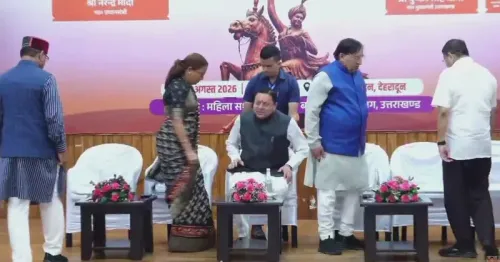
Senior officials present included Cabinet Ministers Rekha Arya and Khajan Das, Rajya Sabha MP Naresh Bansal, MLA Umesh Sharma Kau, Media Advisory Committee Chairman Prof. Govind Singh, Women Empowerment and Child Development Secretary Chandresh Kumar, and Director Banshilal Rana.
Uttarakhand has long traded on the legend of its warrior women. The real test now is whether the budget lines follow the announcements — and whether the women who earned those awards today see the money, and the policy change, reach their villages.
Point of View
Organised constituency of women workers, making this as much a labour-welfare move as a ceremonial one. Whether these increments translate into measurable improvements in child nutrition outcomes or women's economic participation will be the harder metric to watch.
NationPress
23 Sept 2026
Frequently Asked Questions
What is the new amount of the Teelu Rauteli award in 2026?
The Teelu Rauteli award cash amount has been raised to Rs 75,000, up from Rs 51,000. The Uttarakhand government had previously raised it from Rs 31,000 to Rs 51,000 in 2023.
Who was Teelu Rauteli and why is she celebrated in Uttarakhand?
Teelu Rauteli was an 18th-century Garhwali warrior woman celebrated for her exceptional courage and resistance. She is commemorated annually in Uttarakhand as a symbol of feminine valour and women's power.
What is the new monthly salary of Anganwadi workers in Uttarakhand after the 2026 hike?
After the revision announced by CM Dhami, Anganwadi workers will receive Rs 9,300 per month (up from Rs 7,500), mini-Anganwadi workers will get Rs 6,250 (up from Rs 4,500), and helpers will receive Rs 5,250 (up from Rs 3,550).
Is Uttarakhand the first state to implement the Uniform Civil Code?
Yes. Uttarakhand became India's first state to enact and implement the Uniform Civil Code, which was passed in 2024 to promote gender equality in personal laws.
How many women were honoured at the Teelu Rauteli ceremony on 8 August 2026?
A total of 48 women were honoured — 13 received the Teelu Rauteli Puraskar for notable contributions across various fields, and 35 Anganwadi workers received the Anganwadi Karyakatri award.