CM Dhami Honours Women with Teelu Rauteli and Anganwadi Awards
Synopsis
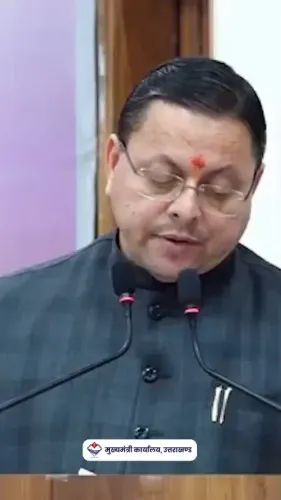
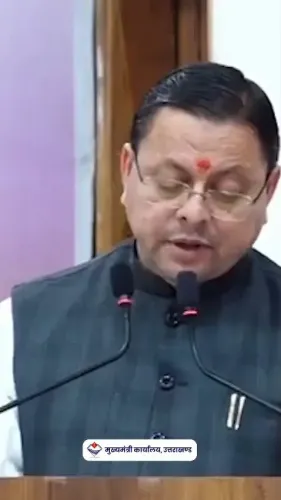
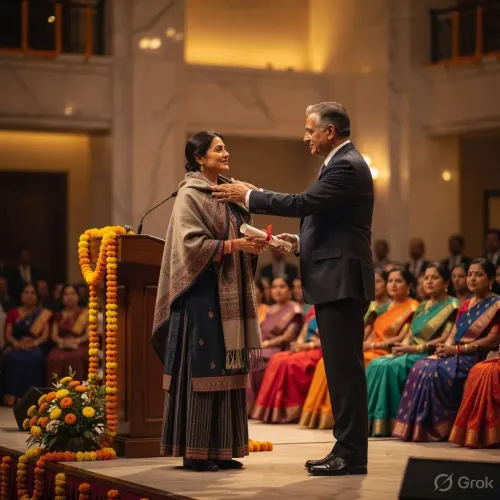
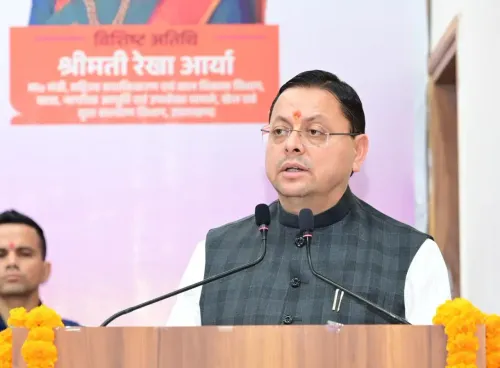
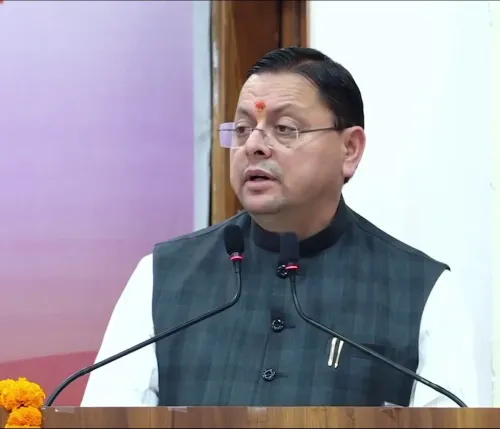
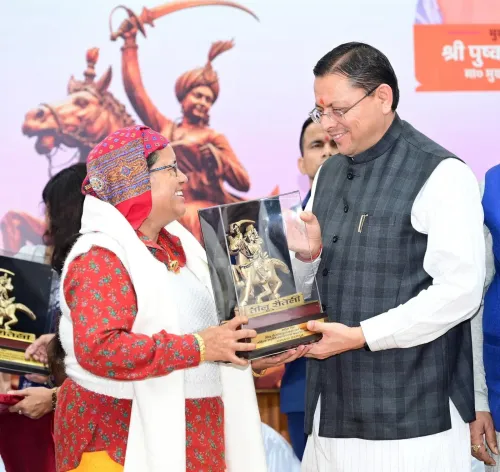
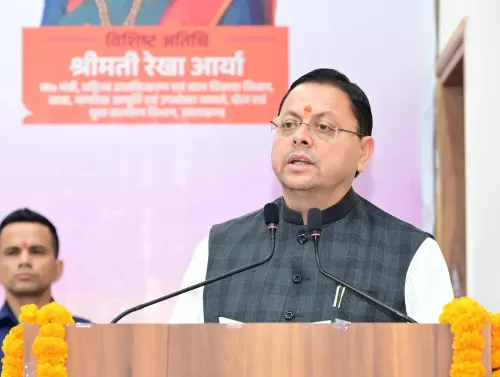
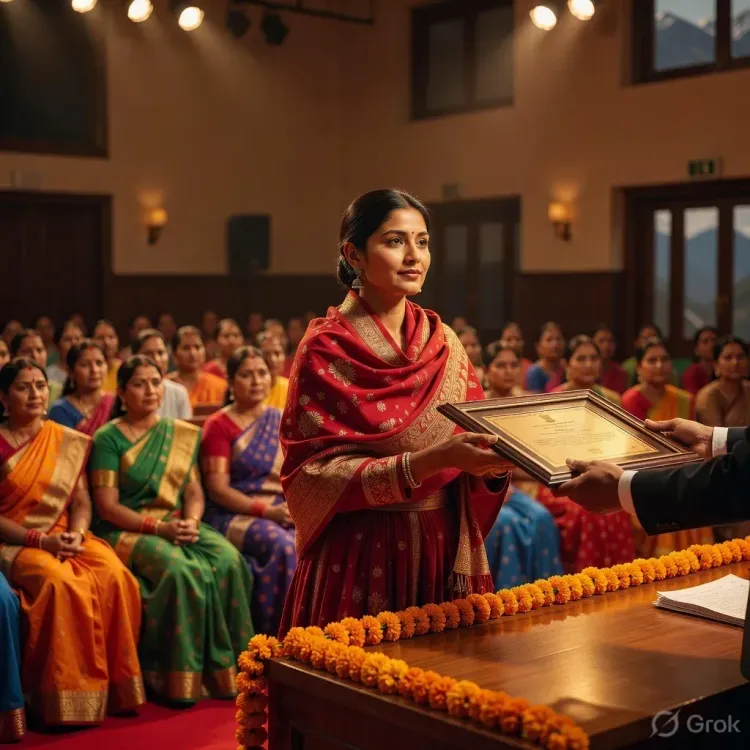
Uttarakhand Chief Minister Pushkar Singh Dhami conferred the Teelu Rauteli Award and the Anganwadi Karyakartri Award on women across the state on 9 August 2026, honouring cultural valour and grassroots maternal and child welfare service in a single ceremony.
Key Takeaways
Chief Minister Pushkar Singh Dhami presided over the award ceremony on 9 August 2026 .
The Teelu Rauteli Award is named after a 16th-century folk heroine of Uttarakhand who symbolises women's courage and resistance.
Anganwadi Karyakartri Awards recognised frontline workers delivering nutrition, health, and preschool services under India's ICDS scheme , launched in 1975 .
The event was framed around the concept of matrishakti — the collective strength of motherhood.
Uttarakhand periodically holds such functions to spotlight women in rural services and cultural heritage.
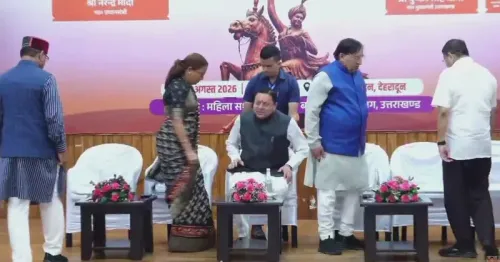
Courage from the 16th century met quiet, daily heroism on Sunday, 9 August 2026, as Uttarakhand Chief Minister Pushkar Singh Dhami conferred the Teelu Rauteli Award and the Anganwadi Karyakartri Award on women across the state — honouring both cultural valour and grassroots service in a single ceremony.
Two awards, one message: women at the centre
The Teelu Rauteli Award draws its name from a celebrated 16th-century folk heroine of Uttarakhand who became a symbol of women's courage and resistance in the hills. By pairing it with recognition for Anganwadi workers — the frontline force of India's child and maternal welfare network — the Dhami government placed legendary valour and everyday dedication on the same pedestal. The Chief Minister's Office described the occasion as an honouring of matrishakti — the collective strength of motherhood.
Anganwadi workers: the backbone of ICDS
India's Integrated Child Development Services, launched in 1975, runs on the shoulders of Anganwadi workers — women posted in rural and semi-urban centres who deliver nutrition, health checks, and preschool education to children and expecting mothers. In a mountainous state like Uttarakhand, where terrain isolates villages and formal healthcare is often hours away, their role is amplified. Recognising them at a state-level award function elevates a profession that is frequently invisible in policy headlines.
A pattern of periodic recognition in Uttarakhand
The Uttarakhand government has held such award functions periodically to spotlight women in rural services, consistent with a broader trend seen across Indian states of institutionalising recognition for grassroots workers. What distinguishes this ceremony is the cultural framing: anchoring it to Teelu Rauteli connects present-day service to a deep regional identity, giving the awards symbolic weight beyond administrative routine. Whether the event is accompanied by expanded benefits or new training programmes for Anganwadi workers — a key thing to watch — has not been confirmed.
In the hills of Uttarakhand, the women who carry children on their backs to health camps and the heroine who carried a sword in the 16th century now share the same stage. That is the image Chief Minister Dhami chose to project — and it lands.
Point of View
The Dhami government is doing something politically deliberate: rooting a routine welfare event in regional identity, making recognition feel earned rather than administrative. This mirrors a broader BJP-governed state playbook of weaving local folklore into governance optics to deepen emotional resonance with voters, particularly women in rural constituencies. In Uttarakhand, where women form the backbone of agriculture and community care and where female voter turnout has been significant, such ceremonies carry electoral as well as social weight. The real test will be whether the symbolism is backed by substantive policy — expanded pay, training, or benefits for Anganwadi workers.
NationPress
23 Sept 2026
Frequently Asked Questions
What is the Teelu Rauteli Award in Uttarakhand?
The Teelu Rauteli Award is a state honour named after a celebrated 16th-century folk heroine of Uttarakhand who symbolises women's courage and resistance. The Uttarakhand government confers it on women who demonstrate exceptional bravery or contribution to society.
Who are Anganwadi workers and what do they do?
Anganwadi workers are frontline government employees who run rural childcare centres under India's Integrated Child Development Services (ICDS) scheme, delivering nutrition support, basic healthcare, and preschool education to children and mothers, especially in remote areas.
What is the ICDS scheme in India?
The Integrated Child Development Services (ICDS) is a flagship national programme launched in 1975 that provides nutrition, health, and early childhood education through a network of Anganwadi centres staffed by community-level workers.
Who is Pushkar Singh Dhami?
Pushkar Singh Dhami is the Chief Minister of Uttarakhand, serving since March 2021. He leads the state government and has been associated with several welfare and infrastructure initiatives in the hill state.
What is matrishakti as used by the Uttarakhand government?
Matrishakti is a Hindi term meaning the collective strength or power of motherhood and womanhood. The Uttarakhand government used it to describe the spirit being honoured at the Teelu Rauteli and Anganwadi Karyakartri award ceremony.