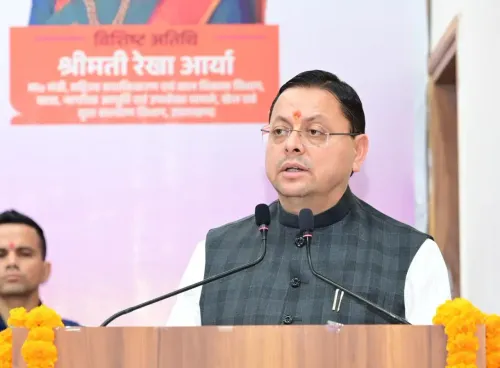
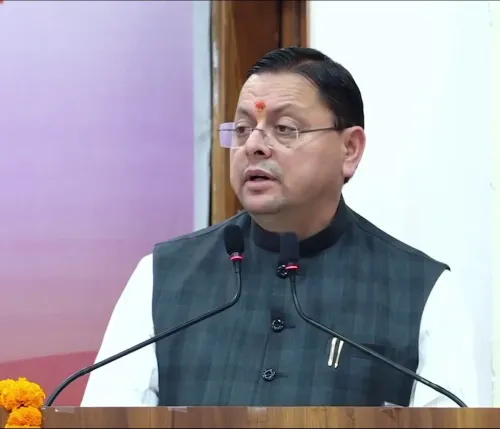
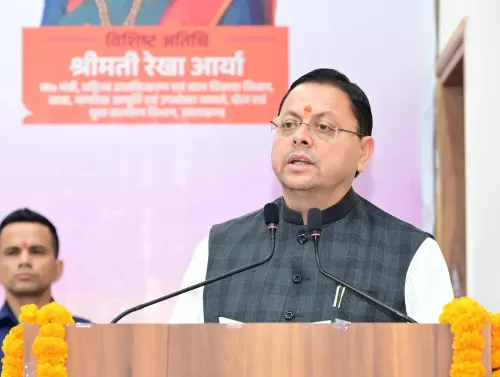
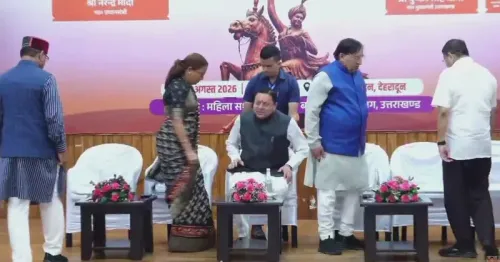
CM Dhami raises Teelu Rauteli, Anganwadi award amounts
Synopsis
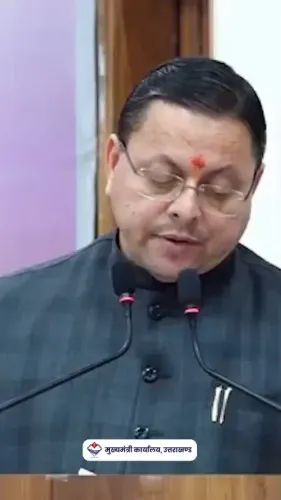
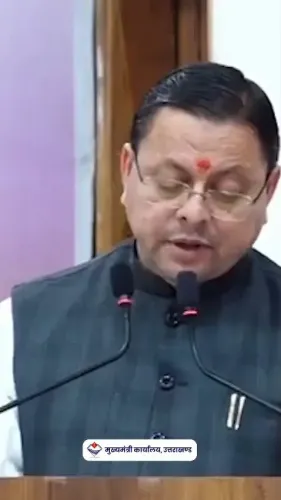
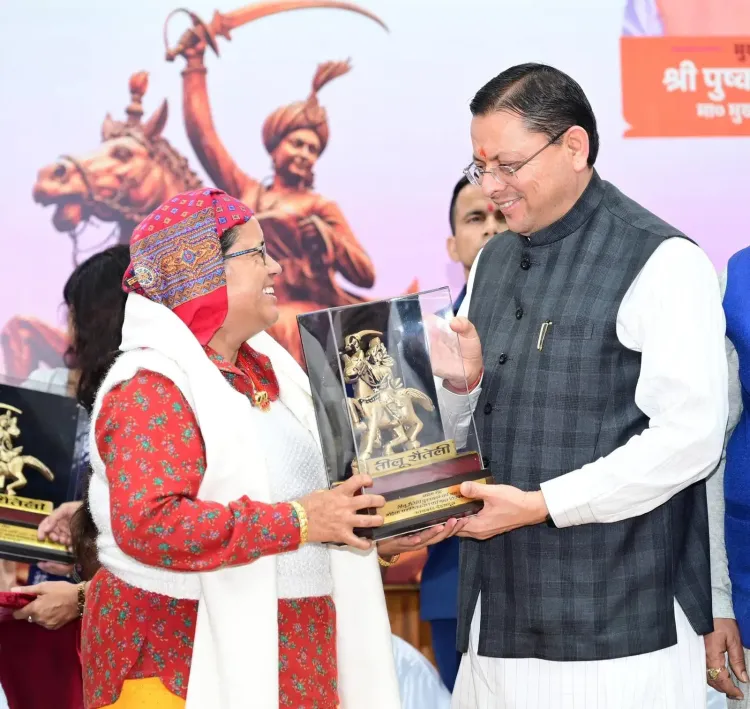
Uttarakhand CM Pushkar Singh Dhami on 8 August 2026 raised the Veerangana Teelu Rauteli Award from ₹51,000 to ₹75,000 and the Anganwadi Worker Award from ₹51,000 to ₹61,000, honouring the state's women and frontline workers.
Key Takeaways
The Veerangana Teelu Rauteli Award cash prize has been increased from ₹51,000 to ₹75,000 — a hike of nearly 47 percent.
The Anganwadi Worker Award has been raised from ₹51,000 to ₹61,000 .
The announcement was made by Uttarakhand CM Pushkar Singh Dhami on 8 August 2026 .
The Teelu Rauteli award honours women who exemplify the legacy of the 16th-century Garhwal warrior Veerangana Teelu Rauteli .
Anganwadi workers operate under India's Integrated Child Development Services (ICDS) scheme, launched in 1975 .
The revised amounts will be tested in the next round of Uttarakhand state award ceremonies .
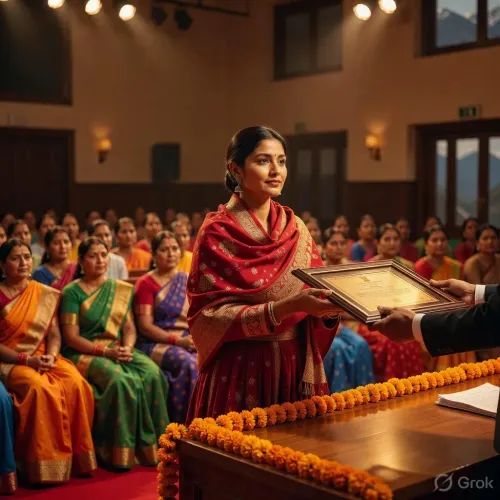
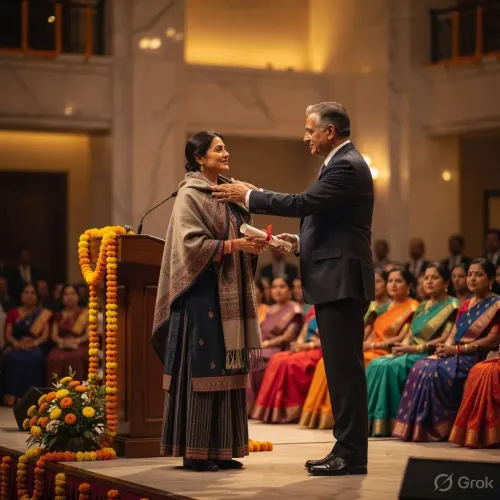
On the occasion of honouring Uttarakhand's women, Chief Minister Pushkar Singh Dhami announced a significant hike in two state awards on Saturday, 8 August 2026 — a direct signal that the state's frontline women workers and grassroots heroines will be recognised with greater weight going forward.
The Veerangana Teelu Rauteli Award — named after the legendary 16th-century warrior woman from Uttarakhand — will see its cash prize rise from ₹51,000 to ₹75,000, a jump of nearly 47 percent. Simultaneously, the Anganwadi Worker Award has been revised upward from ₹51,000 to ₹61,000. In Dhami's words, the decision reflects 'respect for the women of the state and a resolve to further encourage their remarkable contribution.'
Who Teelu Rauteli was — and why the award carries weight
Veerangana Teelu Rauteli is one of Uttarakhand's most celebrated historical figures — a warrior who fought with exceptional courage in the Garhwal region during the 16th century. The state award bearing her name is conferred on women who demonstrate outstanding bravery, social service, or community leadership. Raising its monetary value is as much a cultural statement as a financial one: it signals that the benchmark for honouring such women is being reset upward.
Anganwadi workers and the ICDS backbone
Anganwadi workers are the ground-level force of India's Integrated Child Development Services (ICDS) scheme, launched in 1975 — one of the world's largest early-childhood nutrition and care programmes. These workers deliver nutrition, health check-ups, and pre-school education to children and mothers in villages across the country, often in remote terrain. In a hilly state like Uttarakhand, their role is especially demanding. The revised award amount is a state-level acknowledgement of that daily grind.
A pattern of periodic revision — and what it means now
State governments across India periodically revise the cash components of women-centric awards, typically timed to ceremonial occasions or budget cycles. What sets this announcement apart is the pairing: by hiking both a heritage-linked honour and a frontline-worker recognition in the same breath, the Dhami government is weaving together two distinct threads — historical pride and contemporary welfare — into a single policy gesture. The next test will be whether the revised amounts flow through in the upcoming round of state award ceremonies, and whether a corresponding budget provision is formalised.
For the Anganwadi workers and women honourees of Uttarakhand, the numbers have changed — and the state has put that in writing.
Point of View
And the large Anganwadi workforce — without new programme spending. The real measure of intent will be whether the revised amounts are backed by a formal budget line, or remain a ceremonial gesture pending the next award cycle.
NationPress
23 Sept 2026
Frequently Asked Questions
What is the Veerangana Teelu Rauteli Award?
The Veerangana Teelu Rauteli Award is an Uttarakhand state honour named after a celebrated 16th-century warrior woman from the Garhwal region, conferred on women for outstanding bravery, social service, or community leadership. Its cash prize has now been raised to ₹75,000.
How much has the Anganwadi Worker Award been increased in Uttarakhand?
The Anganwadi Worker Award in Uttarakhand has been increased from ₹51,000 to ₹61,000, as announced by Chief Minister Pushkar Singh Dhami on 8 August 2026.
Who are Anganwadi workers and what scheme do they work under?
Anganwadi workers are frontline grassroots workers who deliver nutrition, health, and early-childhood services under India's Integrated Child Development Services (ICDS) scheme, which has been running since 1975.
Who is Pushkar Singh Dhami?
Pushkar Singh Dhami is the Chief Minister of Uttarakhand and a BJP leader who has served in the role since 2021.
When was the Teelu Rauteli Award prize money hike announced?
The hike was announced on Saturday, 8 August 2026, by Uttarakhand Chief Minister Pushkar Singh Dhami.