CM Dhami Marks 1975 Emergency Anniversary, Honours Democracy Fighters
Synopsis
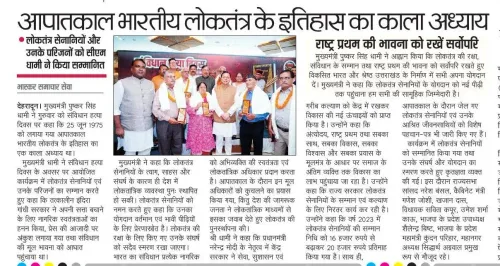
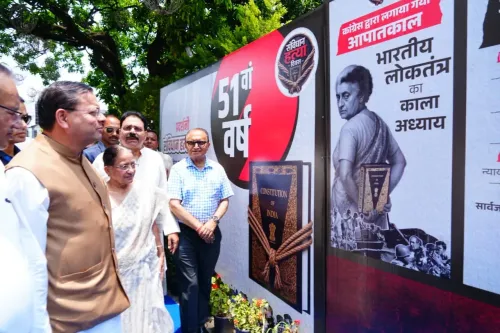
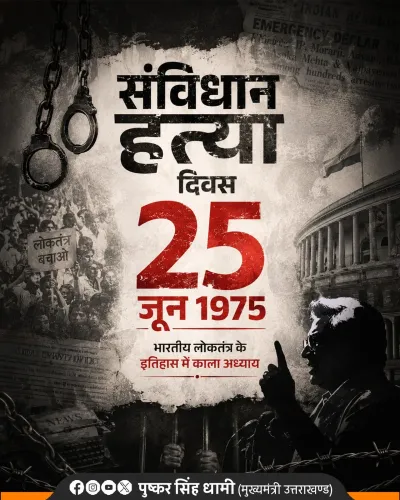
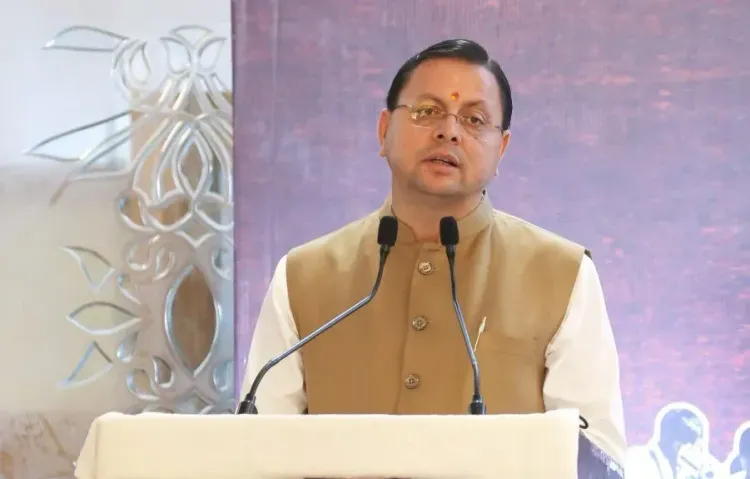
Chief Minister Pushkar Singh Dhami of Uttarakhand marked the 51st anniversary of the 1975 Emergency on 25 June 2026, calling it a day to honour democracy fighters and introspect on democratic responsibilities, in keeping with the BJP's annual tradition of observing the date.
Key Takeaways
The Uttarakhand CMO posted a statement from CM Pushkar Singh Dhami on 25 June 2026 marking the 51st anniversary of the 1975 Emergency .
Dhami described the day as an occasion for introspection on democratic responsibilities and tribute to loktantra senaniyon (democracy fighters).
The Emergency was imposed on 25 June 1975 under Article 352 , suspending civil liberties for 21 months .
BJP -led state governments have issued annual statements on this date since 2014 , framing the Emergency as a democratic cautionary tale.
Opposition parties are expected to respond, contesting the framing of the anniversary as a partisan political message.
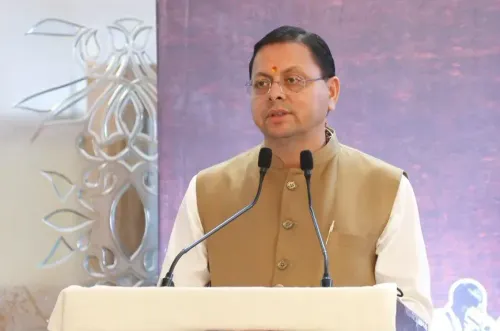
The Chief Minister's Office of Uttarakhand, on behalf of Chief Minister Pushkar Singh Dhami, on Thursday, 25 June 2026, issued a solemn statement marking the 51st anniversary of the imposition of the Emergency of 1975, calling the day an occasion not merely for remembrance but for introspection on democratic responsibilities and for honouring the sacrifices of those who fought for democracy.
Context
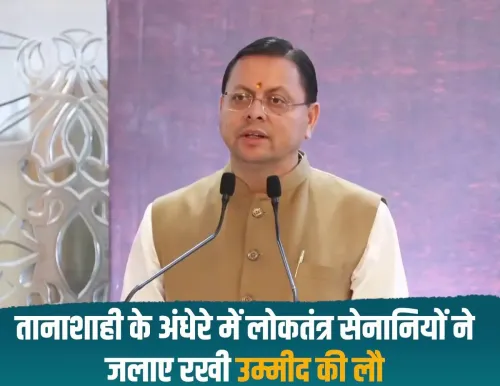
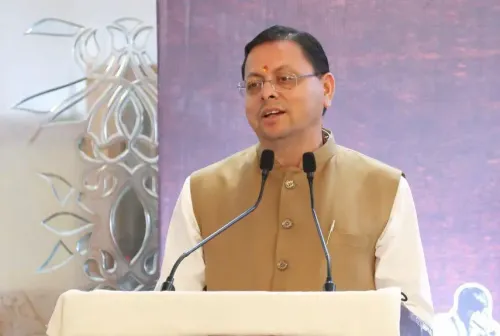
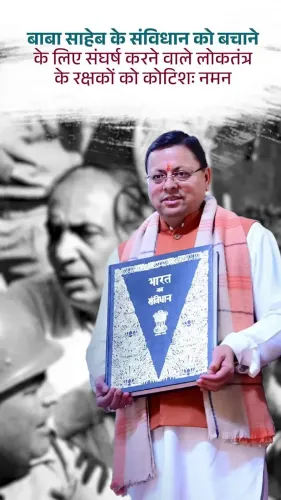
Chief Minister Dhami's statement, quoted by the official CMO handle, reads: 'Aaj ka yeh din kewal itihas ke us kaale adhyay ko smaran karne ka avsar nahin hai, balki loktantra ke prati apni zimmedariyon ka aatmamanthan karne aur loktantra senaniyon ke sangharsh evam balidaan ko naman karne ka bhi din hai' — 'Today is not merely an occasion to recall that dark chapter of history, but also a day to introspect on our responsibilities towards democracy and to bow in tribute to the struggle and sacrifice of democracy fighters.'
The statement was posted on 25 June 2026, the exact calendar date on which the Emergency was proclaimed 51 years ago, giving it pointed symbolic weight.
Policy Backdrop
The Emergency of 1975 was imposed on 25 June 1975 by then Prime Minister Indira Gandhi under Article 352 of the Constitution, suspending civil liberties, censoring the press, and enabling mass arrests of opposition leaders. The 21-month period — which ended in March 1977 — is widely regarded as the most severe rupture of democratic norms in independent India's history.
Since 2014, BJP-led state governments have made annual statements on 25 June a near-institutional practice, framing the Emergency as a cautionary episode and positioning their own governance as a recommitment to constitutional values. Uttarakhand, a Himalayan state governed by the BJP since 2017, has been consistent in issuing such tributes.
Stakeholders and Impact
The statement directly honours 'loktantra senaniyon' — democracy fighters — a term that refers to the thousands of activists, journalists, lawyers, and opposition politicians who were imprisoned or suppressed during the Emergency. Their families and civil society organisations have long sought formal recognition of their resistance.
The anniversary also draws responses from opposition parties, who often contest the BJP's framing of the Emergency as a partisan talking point, arguing that democratic norms must be evaluated across all political tenures, not only in historical retrospect.
What's Next
Attention will turn to whether other BJP chief ministers and central ministers issue parallel statements through the day, and how opposition parties respond publicly to the 25 June anniversary. The cumulative political messaging on this date has, in recent years, set the tone for broader debates about press freedom, judicial independence, and the health of Indian democratic institutions — debates that carry fresh relevance in each election cycle.
Point of View
Lending the statement a tone of statesmanship rather than mere opposition critique. As India's democratic institutions face renewed scrutiny from civil society on multiple fronts, such anniversaries have acquired fresh resonance beyond their historical origins. How opposition parties respond will reveal whether the Emergency remains a live fault line or is gradually receding into ceremonial commemoration.
NationPress
24 Sept 2026
Frequently Asked Questions
Why is 25 June significant in Indian political history?
25 June marks the anniversary of the imposition of the Emergency in 1975 by Prime Minister Indira Gandhi under Article 352 of the Constitution, which suspended civil liberties, censored the press, and allowed mass arrests of political opponents for 21 months .
What did CM Pushkar Singh Dhami say about the Emergency anniversary?
CM Dhami said the day is not merely for recalling 'that dark chapter of history' but also for introspecting on democratic responsibilities and paying tribute to the struggle and sacrifice of loktantra senaniyon (democracy fighters).
Who are loktantra senani?
Loktantra senani — literally 'democracy fighters' — refers to activists, opposition politicians, journalists, and ordinary citizens who resisted or were imprisoned during the 1975 Emergency in India.
Does the BJP observe the Emergency anniversary every year?
Yes. Since 2014 , BJP -led state governments and central leaders have made annual statements on 25 June recalling the Emergency as an authoritarian episode and reaffirming their commitment to democratic values.
What is Pushkar Singh Dhami's role?
Pushkar Singh Dhami is the Chief Minister of Uttarakhand and a senior BJP leader who has held the post since 2021 , leading the Himalayan state's government.