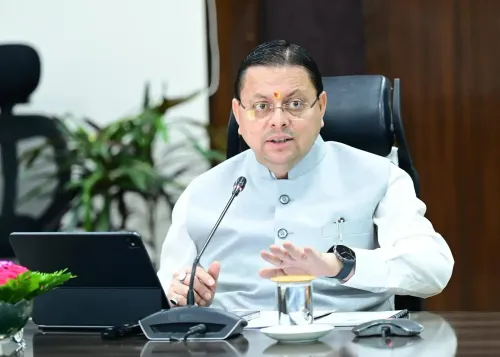
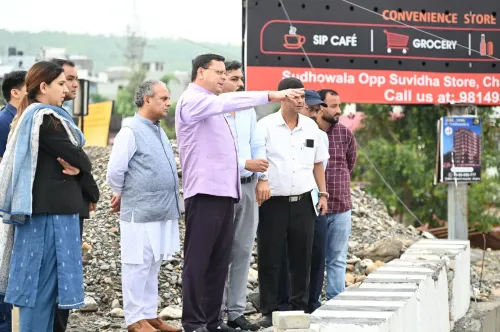
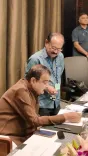
CM Dhami inspects pothole-removal work on Srinagar-Dehradun route

Synopsis
Uttarakhand CM Pushkar Singh Dhami conducted surprise on-site inspections of Gaddhamukt Abhiyan road-repair work along the Srinagar-Dehradun route on 30 October 2026, warning of strict action against any negligence in state road-improvement works.
Key Takeaways
CM Pushkar Singh Dhami personally inspected Gaddhamukt Abhiyan road-repair progress at multiple locations on the Srinagar-to-Dehradun stretch on 30 October 2026 .
The inspection was conducted during his return journey from Gairsain , Chamoli district, proposed as Uttarakhand's summer capital.
Dhami announced he will continue surprise inspections of roads across the state to enforce quality accountability.
Strict action has been warned against any contractor or department found negligent in road-improvement work.
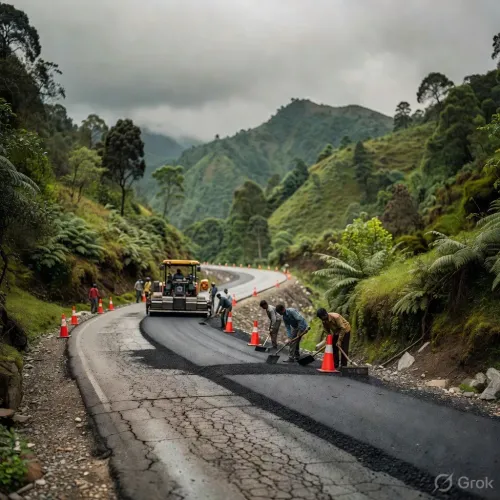
The Gaddhamukt Abhiyan targets systematic pothole removal on state and district roads battered by Himalayan terrain and monsoon damage.
The Srinagar-Dehradun corridor connects key hill districts to the state capital and links to the broader Char Dham Pariyojana network.
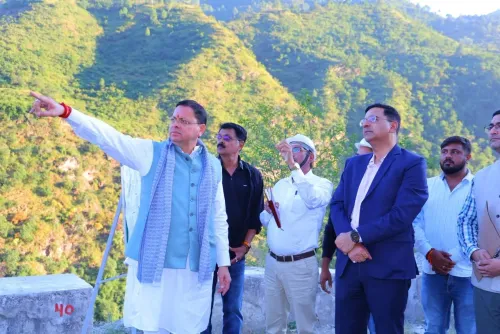
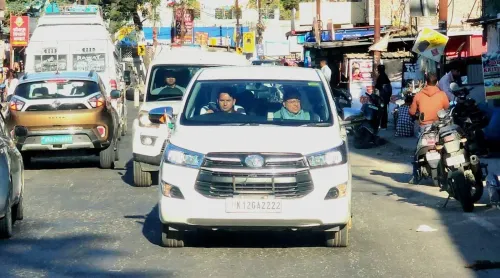
Accountability hit the road on Friday, 30 October 2026 — literally. Uttarakhand Chief Minister Pushkar Singh Dhami drove the Srinagar-to-Dehradun highway stretch himself, stepping out at multiple points to personally examine the progress and quality of work under the state's Gaddhamukt Abhiyan (pothole-free campaign) on his return from Gairsain.
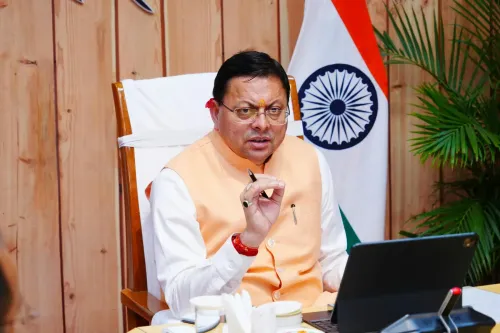
In a post on X, CM Dhami declared: 'On the road from Srinagar to Dehradun, I conducted an on-site inspection of the work being done under the Gaddhamukt Abhiyan, examining the progress and quality at various locations. I will continue such surprise inspections of roads across the state, and strict action will be taken against any negligence in road-improvement work. The welfare, safety, and convenience of the public is our highest priority.'
What the Gaddhamukt Abhiyan targets — and why Uttarakhand's roads demand it
Uttarakhand's Himalayan terrain turns every monsoon into an infrastructure stress-test. Landslides, erosion, and heavy rainfall routinely shred road surfaces across the hill districts, leaving pothole-riddled stretches that endanger daily commuters, pilgrims, and the freight traffic that keeps remote communities supplied. The Gaddhamukt Abhiyan is the state government's direct response — a structured campaign to systematically identify, repair, and clear potholes on state and district roads.
The Srinagar-Dehradun corridor, passing through Pauri Garhwal, is one of the arterial routes linking the hill districts to the state capital. Any degradation here compounds delays for residents of upper Garhwal and visitors heading to pilgrimage sites further north. The route also feeds into the broader Char Dham Pariyojana connectivity network — the 2016 central programme that triggered the most ambitious road-widening drive Uttarakhand has seen in decades.
Surprise inspections as a governance signal
CM Dhami's decision to turn a routine return journey from Gairsain — the hill town in Chamoli district proposed as Uttarakhand's summer capital — into an unannounced field audit carries a pointed message to the public-works machinery: the Chief Minister is watching, and substandard work has consequences. The emphasis on 'surprise inspections' (auchak nirikshan) is deliberate; pre-announced visits routinely produce freshly patched surfaces that mask deeper failures.
Chief ministerial roadside inspections are a recurring feature of Uttarakhand governance, but the explicit warning of 'strict action' (sakhta karvai) against negligence sharpens the accountability frame. With Dhami in office since 2021, state-level road-quality enforcement has been a stated priority, and this inspection signals the campaign is being driven from the very top of the administration.
What comes next for road repair accountability
The Chief Minister has committed to continuing surprise inspections statewide — not just on the Gairsain-Dehradun corridor. That broadened scope puts every district's public-works department on notice. Observers will watch for follow-up action notices, contractor accountability measures, and whether the next state budget session allocates enhanced funds for hill-road maintenance under the Gaddhamukt Abhiyan.
For the millions of Uttarakhand residents who navigate mountain roads daily, the test is not the inspection — it is whether the patches hold through the next monsoon.
Point of View
He pressures the entire public-works apparatus without waiting for departmental reports. It also fits a broader BJP governance pattern of high-visibility chief ministerial field visits as a substitute for systemic monitoring reform. The warning of 'strict action' will be tested by whether follow-up enforcement materialises or remains rhetorical. With state assembly sessions approaching, road-quality spending could emerge as a key political and budgetary flashpoint in Uttarakhand.
NationPress
30 Oct 2026
Frequently Asked Questions
What is the Gaddhamukt Abhiyan in Uttarakhand?
The Gaddhamukt Abhiyan is an Uttarakhand state government campaign specifically aimed at identifying and repairing potholes and improving road surfaces across state and district roads, particularly those damaged by monsoon rains and Himalayan terrain.
Why did CM Dhami inspect roads between Srinagar and Dehradun?
CM Pushkar Singh Dhami conducted the inspection on his return from Gairsain on 30 October 2026 to personally assess the progress and quality of Gaddhamukt Abhiyan repair work on this key arterial corridor, signalling accountability from the top of the administration.
What action will be taken against road-repair negligence in Uttarakhand?
CM Dhami has warned that strict action will be taken against any contractor, department, or official found negligent in road-improvement works following his statewide surprise inspection drive.
Where is Gairsain and why does the Chief Minister visit it?
Gairsain is a town in Chamoli district in the Garhwal Himalayas and has been proposed as Uttarakhand's summer capital. The Chief Minister holds official sessions and visits there periodically as part of the state's decentralisation policy.
How does Uttarakhand's terrain affect road maintenance?
Uttarakhand's steep Himalayan geography and heavy monsoon rainfall cause frequent landslides and erosion that damage road surfaces every year, making sustained road maintenance and pothole-removal campaigns a recurring governance priority for the state.