CM Dhami invites darshan at Kedarnath's winter seat
Synopsis
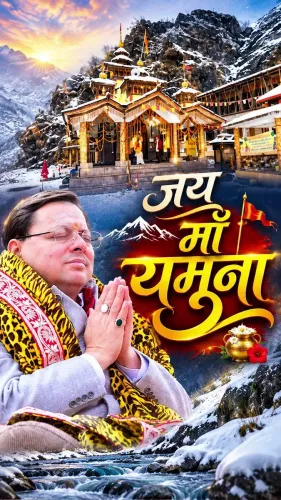
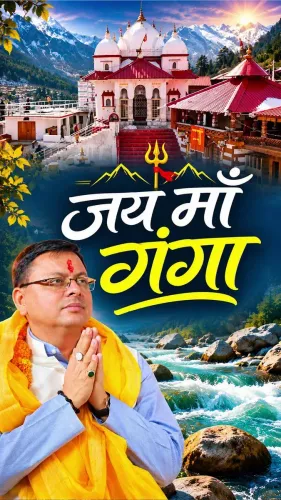
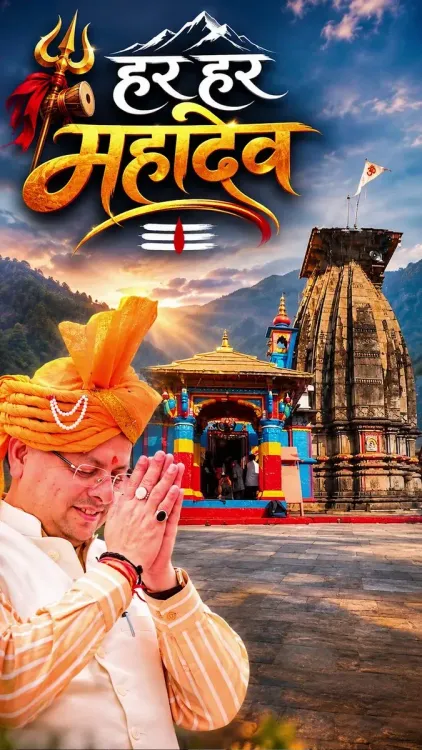
Uttarakhand CM Pushkar Singh Dhami has invited devotees to Omkareshwar Temple in Ukhimath, the winter seat of Kedarnath, where the Panchmukhi utsav murti is worshipped after the high shrine closes.
Key Takeaways
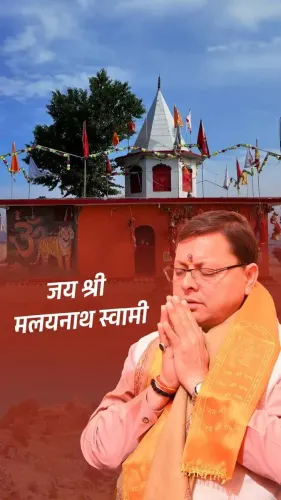
CM Pushkar Singh Dhami on 26 November 2026 invited devotees to Omkareshwar Temple in Ukhimath for winter darshan of Baba Kedarnath.
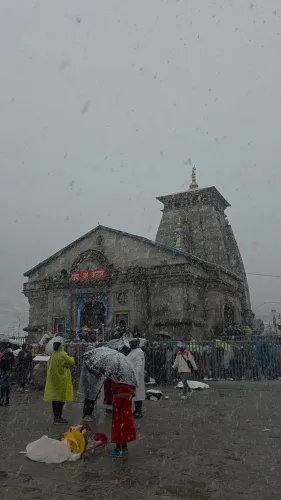
The Rudraprayag shrine is the traditional winter seat after Kedarnath Dham's doors close.
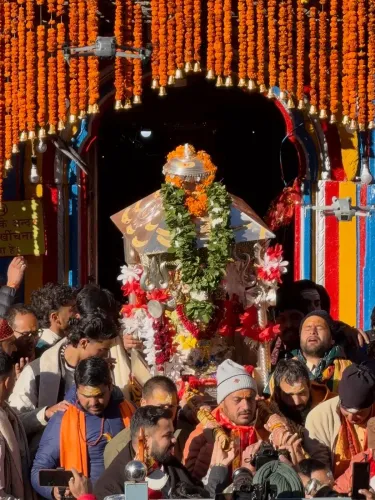
Baba Kedarnath's Panchmukhi utsav murti is installed there and worshipped according to ritual.
Dhami called Omkareshwar a symbol of Uttarakhand's religious and cultural traditions.
State governments have long promoted winter Char Dham abodes to spread pilgrim visits beyond summer.
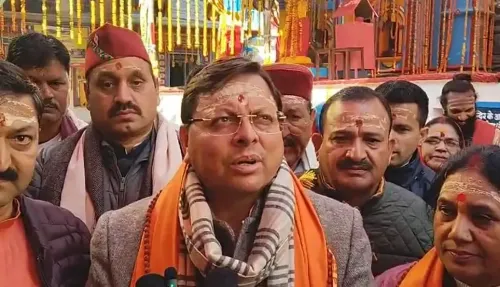
When snow shuts the gates of Kedarnath, the faith does not go quiet — it moves downhill. Uttarakhand Chief Minister Pushkar Singh Dhami on Thursday pointed pilgrims to Shri Omkareshwar Temple in Ukhimath, Rudraprayag, the traditional winter seat of Lord Kedarnath, in a message posted on 26 November 2026.
He called the shrine both the winter sojourn of Baba Kedarnath and a symbol of Uttarakhand's rich religious and cultural traditions. After the doors of Shri Kedarnath Dham close, he said, Baba Kedarnath's Panchmukhi utsav murti is installed at Omkareshwar and worshipped according to ritual. The appeal was blunt: 'During your winter journey, do visit this sacred winter abode of Baba Kedarnath for darshan.'
Panchmukhi murti's winter sojourn at Ukhimath
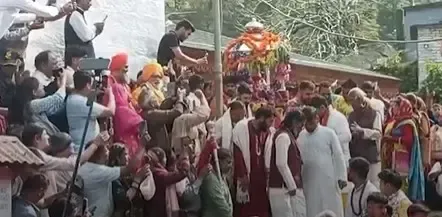
The custom is older than any seasonal campaign. When snow seals the trail to one of the Char Dham shrines, the five-faced festival idol is brought down to Ukhimath so that puja-archana does not stop. Omkareshwar is the established winter seat, not a tourist substitute. Priests continue the rites there through the closed months.
Dhami framed that continuity as heritage. For temple committees, priests and pilgrims who will not wait for summer, this is where the winter dham actually stands.
Spreading the Char Dham trail into winter
Uttarakhand administrations have long highlighted winter abodes linked to Char Dham sites to keep religious travel alive after the high shrines shut. The logic is practical: ease the crush of a short summer window, and give towns such as Ukhimath a stake in the off-season. Successive governments have issued similar invitations to devotees.
What follows is operational, not rhetorical — official winter yatra calendars and any state word on access or facilities at Ukhimath. Kedarnath's gates can shut. In Dhami's telling, the winter yatra still has a destination: Omkareshwar.
Point of View
A way to move footfall, priests and local commerce into the off-season. The message is not a new ritual; it is an administrative reminder that the winter yatra still has a map. The test is whether the appeal is paired with access, facilities and a published calendar at Ukhimath.
NationPress
26 Nov 2026
Frequently Asked Questions
Where is the winter temple of Kedarnath?
The traditional winter seat is Shri Omkareshwar Temple in Ukhimath, Rudraprayag district of Uttarakhand. After Kedarnath Dham closes for winter, the Panchmukhi utsav murti of Baba Kedarnath is installed there for ritual worship.
What is Omkareshwar Temple in Ukhimath famous for?
It is the winter abode of Lord Kedarnath and a marker of Uttarakhand's religious traditions. CM Pushkar Singh Dhami highlighted it as the place where worship continues once the high shrine's doors shut.
What is the Panchmukhi murti of Kedarnath?
It is the five-faced festival idol of Baba Kedarnath that is taken to Omkareshwar Temple in Ukhimath for the winter months. Priests perform puja-archana there according to prescribed rites.
Why does Kedarnath temple close in winter?
Heavy snow and extreme weather at the high-altitude Char Dham shrine make the site inaccessible. The idol is then shifted to the winter seat at Ukhimath so worship can continue.
Did CM Dhami announce a new winter yatra date?
No. His 26 November 2026 post invited devotees to visit Omkareshwar during their winter travel. He did not publish a fresh official schedule or access timetable.