Kedarnath Dham closes for winter 2026; Utsav Doli departs for Ukhimath
Synopsis
Kedarnath Dham shut its portals for winter on Bhai Dooj, 11 November, as the Panchmukhi Utsav Doli began its ceremonial descent to the Omkareshwar Temple in Ukhimath. With Gangotri already closed and Badrinath set to follow on the 13th, the entire Char Dham circuit will fall silent for the season — a centuries-old rhythm of faith that outlasts every Himalayan winter.
Key Takeaways
Kedarnath Dham portals closed at 8:30 a.m. on 11 November 2026 , on the occasion of Bhai Dooj .
The Panchmukhi Utsav Doli departed for its winter seat at the Omkareshwar Temple in Ukhimath , arriving on 13 November .
The Doli will make an overnight halt at Rampur before proceeding to the Kashi Vishwanath Temple in Guptkashi on 12 November .
Lord Kedarnath will be worshipped at Ukhimath for the next six months , in keeping with centuries-old tradition.
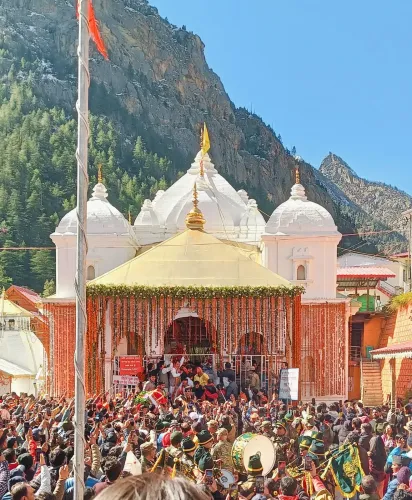
Shri Gangotri Dham closed on 10 November ; Shri Badrinath Dham is scheduled to close on 13 November .
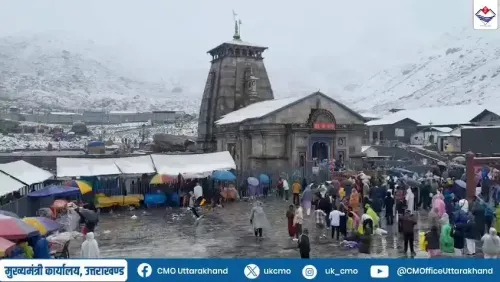
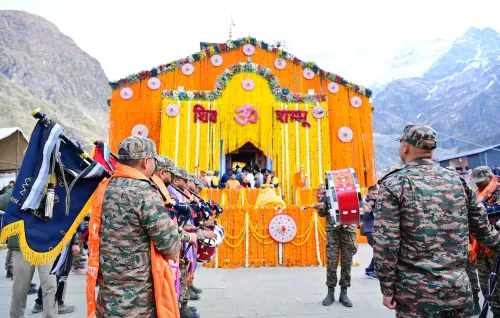
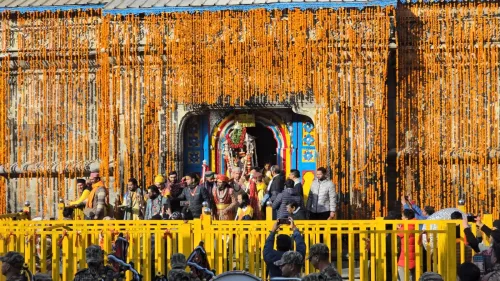
The portals of Shri Kedarnath Dham were ceremonially closed on Wednesday, 11 November 2026, on the auspicious occasion of Bhai Dooj, amid the chanting of Vedic mantras and traditional rituals, bringing the annual pilgrimage season at the revered Himalayan shrine to a close. Thousands of devotees filled the air with chants of 'Har Har Mahadev' as they offered their final prayers before the temple gates shut for the winter months.
How the Closure Unfolded
The process of sealing the shrine began as early as 4:00 a.m., with the main doors of Baba Kedar formally shut at 8:30 a.m. The Indian Army band performed the 'aarti' of Lord Shiva as priests conducted elaborate rituals inside the temple, lending the occasion a rare blend of devotional solemnity and martial reverence. The band continued to play as the sacred procession began its journey down the mountains.
Utsav Doli Departs for Ukhimath
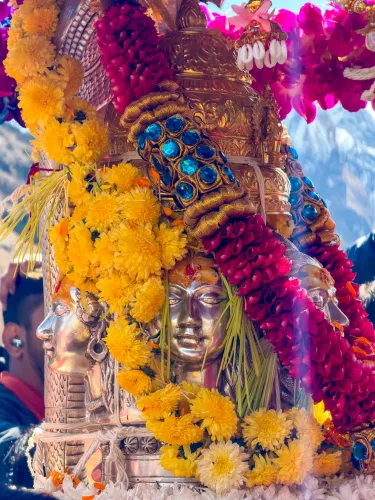
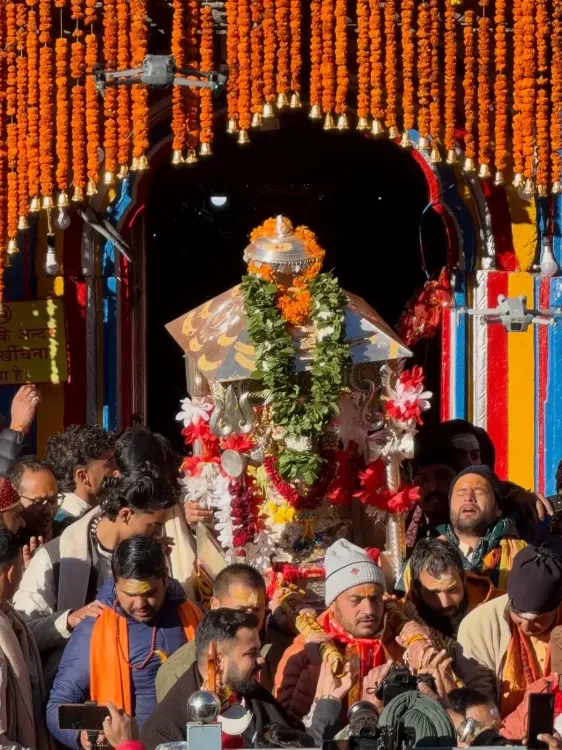
Following the closure, the Panchmukhi Utsav Doli — the deity's ceremonial processional palanquin — departed from the shrine for its winter sojourn. According to a temple priest, the Doli will make its first overnight halt at Rampur, before arriving at the Kashi Vishwanath Temple in Guptkashi on 12 November. 'The Panchmukhi Utsav Doli of Baba Kedarnath will arrive at its winter seat, the Omkareshwar Temple in Ukhimath, on November 13, where the deity will be ceremoniously installed,' the priest said. For the next six months, devotees will be able to offer prayers to Baba Kedarnath at the Omkareshwar Temple, in keeping with a tradition observed for centuries.
Char Dham Season Draws to a Close
The closure of Kedarnath is part of a wider seasonal wind-down across the Char Dham circuit as harsh winter conditions make the high-altitude shrines inaccessible. Shri Gangotri Dham closed its portals on 10 November, one day earlier. The portals of Shri Badrinath Dham are scheduled to shut on 13 November, completing the annual conclusion of the Char Dham Yatra for the season. Together, these closures mark the end of months of uninterrupted pilgrimage activity that draws millions of devotees to Uttarakhand every year.
Significance of the Winter Worship Tradition
The practice of relocating the deity from the high-altitude shrine to a winter seat in the valley is rooted in centuries-old custom. The Omkareshwar Temple in Ukhimath, situated in the Rudraprayag district of Uttarakhand, serves as the winter abode of Lord Kedarnath, ensuring uninterrupted worship even when the main shrine is snowbound. This tradition underscores the living continuity of Shaivite pilgrimage culture in the central Himalayas, connecting the rhythm of seasonal migration to devotional life. The shrine is expected to reopen for the next pilgrimage season in May 2027, subject to weather conditions and auspicious tithi.
Point of View
Involving the movement of hundreds of thousands of pilgrims out of fragile high-altitude zones before the snowline descends. What rarely gets examined is the economic tail: the closure date effectively ends the revenue season for tens of thousands of local traders, hoteliers, and mule handlers in Rudraprayag and Chamoli districts. The winter worship tradition at Ukhimath is a remarkable piece of living heritage, but the communities that sustain it receive far less policy attention than the shrine infrastructure itself.
NationPress
11 Nov 2026
Frequently Asked Questions
When did Kedarnath Dham close for winter in 2026?
Kedarnath Dham closed for the winter season on 11 November 2026, on the occasion of Bhai Dooj. The main doors were formally shut at 8:30 a.m. after early-morning rituals beginning at 4:00 a.m.
Where will Lord Kedarnath be worshipped during winter?
During the winter months, Lord Kedarnath will be worshipped at the Omkareshwar Temple in Ukhimath in Rudraprayag district, Uttarakhand. The Panchmukhi Utsav Doli carrying the sacred idol is set to arrive there on 13 November 2026, and devotees can offer prayers there for the next six months.
What is the Utsav Doli and why does it travel to Ukhimath?
The Utsav Doli is the ceremonial processional palanquin that carries the sacred idol of Lord Kedarnath from the Himalayan shrine to its winter seat in the valley. This centuries-old tradition ensures that worship of the deity continues uninterrupted through the winter, when heavy snowfall makes the main Kedarnath temple inaccessible.
What are the closing dates for the other Char Dham shrines in 2026?
Shri Gangotri Dham closed on 10 November 2026, and Shri Badrinath Dham is scheduled to close on 13 November 2026. Kedarnath closed on 11 November, meaning the entire Char Dham Yatra circuit will conclude by mid-November.
When will Kedarnath Dham reopen after winter?
Kedarnath Dham typically reopens in May each year, with the exact date determined by the auspicious tithi and prevailing weather conditions in the upper Himalayas. The shrine is expected to reopen for devotees in May 2027.