Kedarnath, Yamunotri Dham portals close today on Bhai Dooj
Synopsis
Shri Kedarnath and Shri Yamunotri Dhams close their doors for winter on Bhai Dooj, 11 November, as the Char Dham Yatra draws to its seasonal end. The deities will now be worshipped at their lower-altitude winter abodes — Ukhimath and Kharsali — for six months, continuing a centuries-old Himalayan tradition.
Key Takeaways
Shri Kedarnath Dham and Shri Yamunotri Dham closed on 11 November 2026 on the occasion of Bhai Dooj .
The idol of Lord Kedarnath will be carried via Utsav Doli to the Omkareshwar Temple in Ukhimath for a six-month winter worship period.
Goddess Yamuna's Doli will be taken to the Saraswati/Shani Dev Temple in Kharsali , where devotees can continue to have darshan through winter.
Shri Gangotri Dham closed on 10 November ; Shri Badrinath Dham is scheduled to close on 13 November .
The closure marks the formal end of the annual Char Dham Yatra season for 2026 .
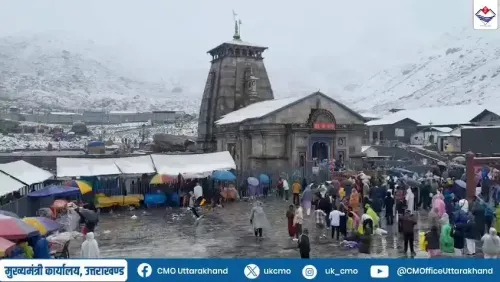
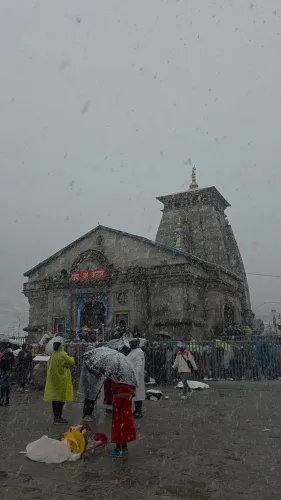
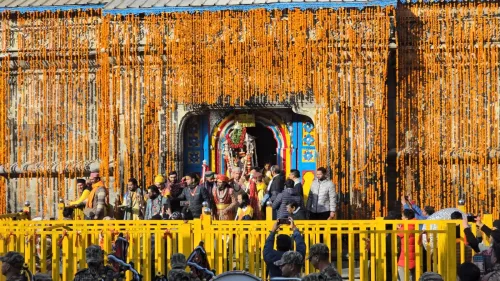
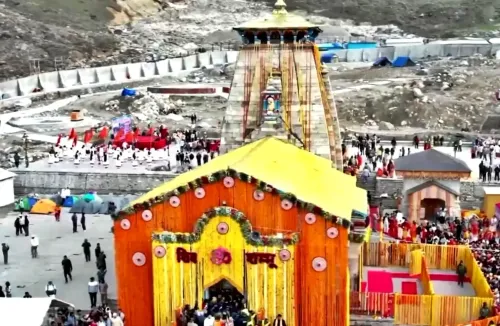
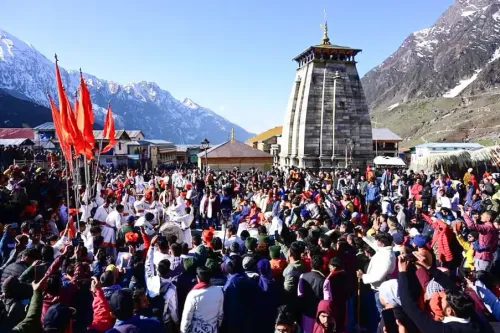
The portals of Shri Kedarnath Dham and Shri Yamunotri Dham will shut on Wednesday, 11 November 2026, on the auspicious occasion of Bhai Dooj, marking the formal end of the annual pilgrimage season at two of Hinduism's most revered Himalayan shrines. Thousands of devotees gathered from across the country to witness the closing ceremonies and seek final blessings before the temples enter their winter recess.
Closing Ceremony at Kedarnath
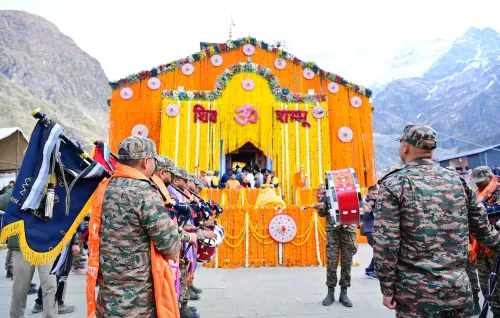
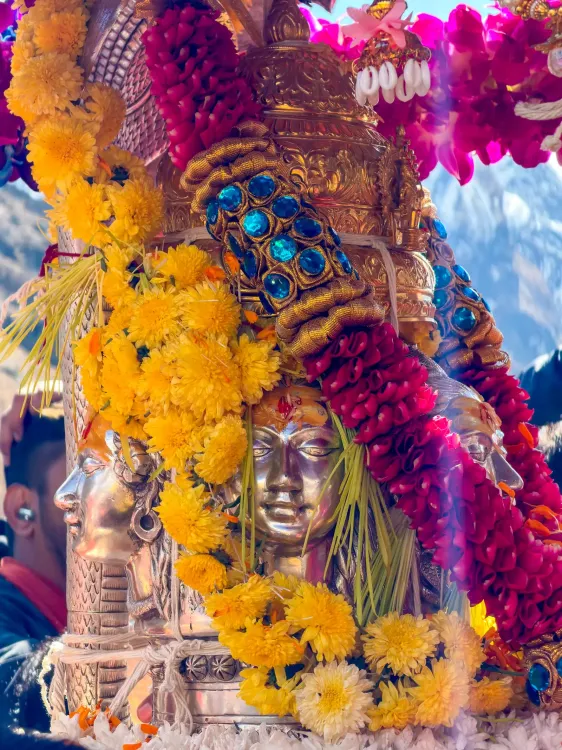
At Shri Kedarnath Dham, the closure will be observed with traditional Vedic chants and resounding cries of 'Har Har Mahadev', drawing an emotionally charged curtain on the pilgrimage season. Following the rituals, the sacred idol of Lord Kedarnath will be carried in a ceremonial procession — known as the Utsav Doli — to its winter seat at the Omkareshwar Temple in Ukhimath. In accordance with a centuries-old tradition, the deity will be worshipped there for the next six months until the shrine reopens in spring.
Yamunotri Dham Closure and Winter Abode
At Shri Yamunotri Dham, the closing rituals will be followed by the ceremonial palanquin — or Doli — of Goddess Yamuna being taken to Kharsali, where she will reside at her winter abode at the Saraswati/Shani Dev Temple. While the main high-altitude shrine at Yamunotri will remain closed for the winter months, devotees will continue to have darshan of Goddess Yamuna and offer prayers at the Kharsali temple throughout the season.
Char Dham Yatra Nearing Its Close
The closure of Kedarnath and Yamunotri brings the Char Dham Yatra close to its annual end. Shri Gangotri Dham shut its doors on 10 November, while the portals of Shri Badrinath Dham are scheduled to close on 13 November. With winter descending on the high-altitude Himalayan region, access to the shrines becomes progressively difficult, making the seasonal closure a logistical and spiritual necessity.
Religious Significance of the Occasion
The choice of Bhai Dooj for the closures is deliberate — the festival, which follows Diwali, holds deep cultural resonance across North India and is traditionally considered an auspicious occasion for important ceremonial acts. The winter migration of the deities to lower-altitude abodes is not merely a seasonal practicality but an integral part of the living religious tradition of the Uttarakhand Himalayan shrines, observed uninterruptedly for centuries. This comes amid a year that saw significant footfall at the Char Dham sites, with infrastructure upgrades and improved connectivity drawing larger pilgrim numbers than in previous seasons.
Point of View
The pressure on the fragile Himalayan ecosystem and on the state's emergency response capacity during the open season deserves as much attention as the rituals themselves. The winter migration of the deities to lower-altitude temples is, in many ways, the more authentic face of this tradition — one that predates the modern pilgrimage highway — but it rarely makes the front page. Uttarakhand's challenge is to protect the sanctity and safety of the Yatra while managing the surge that government-funded connectivity has itself accelerated.
NationPress
11 Nov 2026
Frequently Asked Questions
When are Kedarnath and Yamunotri Dham closing in 2026?
Both Shri Kedarnath Dham and Shri Yamunotri Dham are closing on 11 November 2026, on the occasion of Bhai Dooj. This marks the end of the annual pilgrimage season at both shrines.
Where will Lord Kedarnath be worshipped during the winter months?
Following the closing ceremony, the sacred idol of Lord Kedarnath will be moved via the Utsav Doli procession to the Omkareshwar Temple in Ukhimath, where the deity will be worshipped for approximately six months until the shrine reopens in spring.
Can devotees visit Yamunotri during the winter closure?
While the main high-altitude Yamunotri temple will remain shut, devotees can offer prayers to Goddess Yamuna at her winter abode — the Saraswati/Shani Dev Temple in Kharsali — throughout the winter season.
What are the closing dates for all four Char Dham shrines in 2026?
Shri Gangotri Dham closed on 10 November, Shri Kedarnath Dham and Shri Yamunotri Dham closed on 11 November, and Shri Badrinath Dham is scheduled to close on 13 November 2026, bringing the Char Dham Yatra season to a full close.
Why do the Char Dham temples close for winter?
The temples are located at high altitudes in the Uttarakhand Himalayas, where severe winter weather and heavy snowfall make access dangerous and unsustainable. The seasonal closure follows a centuries-old tradition of moving the deities to lower-altitude winter abodes for continued worship.