CM Dhami joins JP Nadda at organ donation drive in Haridwar
Synopsis
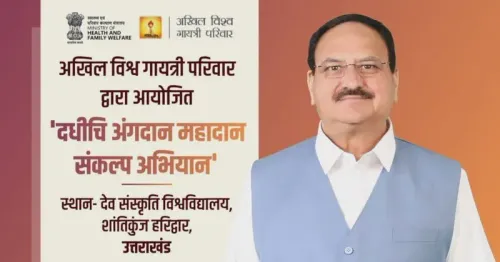
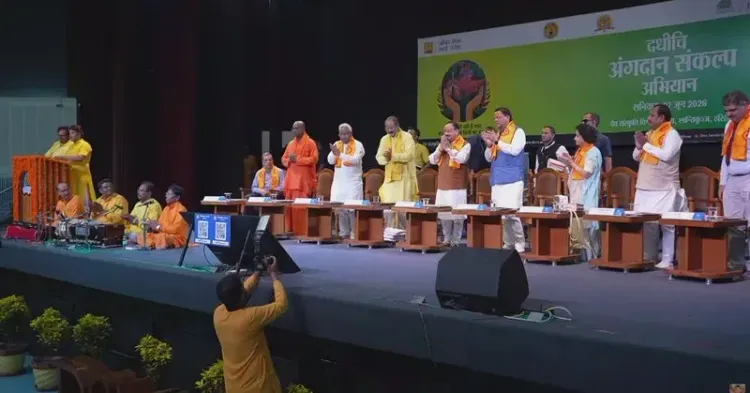
Uttarakhand Chief Minister Pushkar Singh Dhami joined Union Health Minister JP Nadda in Haridwar on 27 June 2026 for the Dadichi Angdaan Sankalp Abhiyan, a campaign to boost voluntary organ donation pledges in India, where deceased-donor rates remain among the world's lowest.
Key Takeaways
Uttarakhand CM Pushkar Singh Dhami and Union Health Minister JP Nadda jointly participated in the Dadichi Angdaan Sankalp Abhiyan in Haridwar on 27 June 2026 .
The campaign invokes the mythological sage Dadichi to culturally frame voluntary organ donation for a pilgrimage-city audience.
India's organ donation framework rests on the Transplantation of Human Organs Act, 1994 (amended 2011 ) and the national nodal body NOTTO , established in 2014 .
India records one of the lowest deceased-donor organ donation rates globally, making awareness campaigns a recurring policy priority.
Haridwar was selected as a venue to leverage its large public gatherings for maximum pledge outreach.
Post-event pledge figures from NOTTO and any follow-up state infrastructure allocations will indicate the campaign's tangible impact.
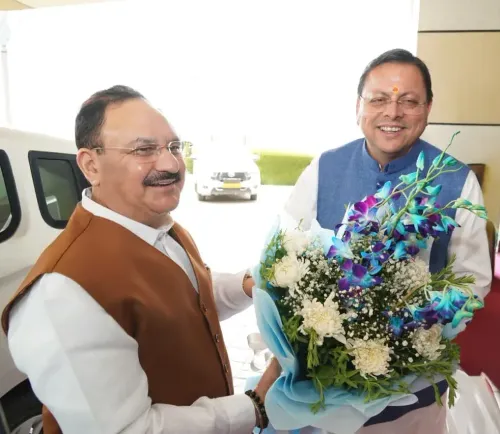
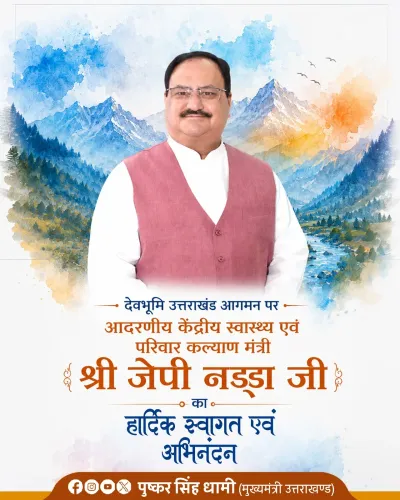
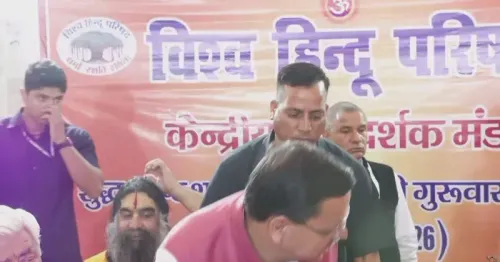
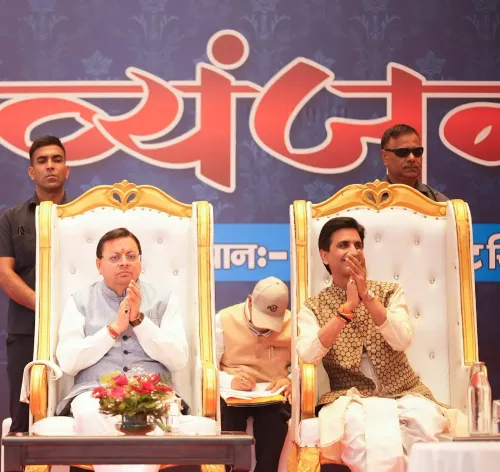
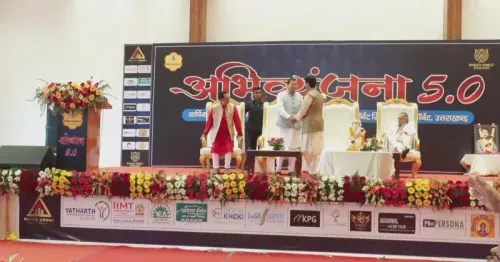
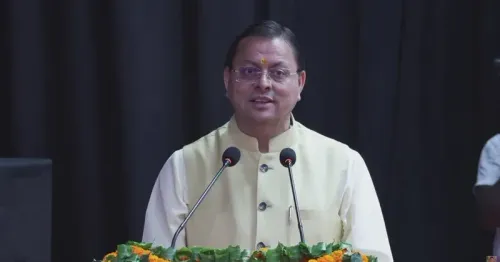
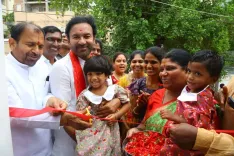
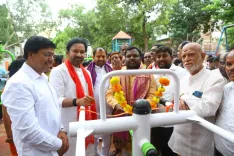
Uttarakhand Chief Minister Pushkar Singh Dhami participated in the Dadichi Angdaan Sankalp Abhiyan — an organ donation pledge campaign — held in Haridwar on Saturday, 27 June 2026, alongside Union Minister of Health and Family Welfare Jagat Prakash Nadda.
Dhami shared news of his participation in a live broadcast on X, writing: 'Aadarniya Kendriya Swasthya evam Parivar Kalyan Mantri Shri JP Nadda ji ke saath Haridwar mein aayojit Dadichi Angdaan Sankalp Abhiyan karyakram mein sahbhagita' — ('Participation in the Dadichi Angdaan Sankalp Abhiyan programme organised in Haridwar with the respected Union Minister of Health and Family Welfare Shri JP Nadda').
Context
The Dadichi Angdaan Sankalp Abhiyan draws its name from the mythological sage Dadichi, who, according to Hindu scripture, donated his bones for the greater good — making the reference particularly resonant for a voluntary organ donation campaign. Haridwar, a major pilgrimage city on the banks of the Ganga in Uttarakhand, was chosen as the venue, a choice consistent with the broader practice of leveraging large religious gatherings to maximise public outreach for health awareness drives.
The simultaneous presence of both the state's chief minister and a senior Union Cabinet minister underscores the campaign's cross-tier governmental character, with the Centre and state coordinating on a shared public health objective.
Policy Backdrop
India's organ donation ecosystem is governed primarily by the Transplantation of Human Organs Act, 1994, which was significantly amended in 2011 to expand the donor pool and introduce tissue transplantation provisions. The National Organ and Tissue Transplant Organisation (NOTTO), established in 2014, serves as the national nodal agency coordinating organ retrieval and allocation across the country.
Despite this legislative and institutional scaffolding, India continues to record one of the lowest deceased-donor organ donation rates in the world. Repeated central and state-level awareness campaigns have been mounted over the years to bridge the gap between the number of patients on transplant waiting lists and the availability of donated organs. Senior ministerial participation in such events is intended to signal political will and encourage voluntary pledges at scale.
Stakeholders and Impact
The primary beneficiaries of a successful organ donation drive are the thousands of patients across India waiting for kidney, liver, heart, and other organ transplants, many of whom depend entirely on deceased donors. For Uttarakhand, strengthening the organ donation pipeline also has implications for the state's own transplant infrastructure and its capacity to serve patients from the hill districts who would otherwise travel to larger cities.
Religious communities and local civil society organisations in Haridwar are key intermediaries in such campaigns, as their outreach networks can convert awareness into actual pledge registrations. The campaign's invocation of the Dadichi legend is a deliberate cultural bridge aimed at reducing hesitation around organ donation in traditionally conservative communities.
What's Next
Observers will watch for pledge registration figures reported by NOTTO in the wake of the Haridwar event, as these numbers typically serve as the primary metric of a campaign's immediate success. Any follow-up announcements regarding state budget allocations for transplant infrastructure in Uttarakhand — including ICU capacity, trained coordinators, or tissue banks — would indicate whether the political momentum from the event translates into durable policy action. The campaign also sets a template that other states with large pilgrimage centres may look to replicate.
Point of View
Where NOTTO's coordination capacity has historically outpaced actual pledge conversions. For the BJP, such events also serve a dual purpose: advancing a genuine public health goal while reinforcing a governance-as-seva narrative ahead of any upcoming electoral cycle in Uttarakhand. The real test will be whether the political visibility translates into measurable increases in registered donors and functioning transplant infrastructure at the state level.
NationPress
27 Jun 2026
Frequently Asked Questions
What is the Dadichi Angdaan Sankalp Abhiyan?
The Dadichi Angdaan Sankalp Abhiyan is an organ donation pledge campaign named after the mythological sage Dadichi, who is said to have donated his bones for the welfare of others. The campaign aims to encourage voluntary organ donation pledges, particularly in communities that may be culturally hesitant about the practice.
Why was Haridwar chosen for the organ donation campaign?
Haridwar is a major pilgrimage city in Uttarakhand that regularly draws large gatherings of people. Authorities chose it as a venue to maximise public outreach and leverage the city's religious significance to make the message of organ donation resonate with a wide and diverse audience.
What is NOTTO and what role does it play in organ donation in India?
NOTTO, the National Organ and Tissue Transplant Organisation, was established in 2014 as the national nodal agency responsible for coordinating organ retrieval, allocation, and transplantation across India. It maintains waiting lists and tracks donation figures at the national level.
What is India's organ donation rate compared to other countries?
India records one of the lowest deceased-donor organ donation rates in the world. This gap between available donated organs and the number of patients on transplant waiting lists has prompted repeated awareness campaigns by both central and state governments.
What laws govern organ donation in India?
Organ donation in India is primarily governed by the Transplantation of Human Organs Act, enacted in 1994 and significantly amended in 2011. The 2011 amendment expanded the eligible donor pool and introduced provisions for tissue transplantation alongside organ donation.