CM Dhami Live-Streams State-Level Awareness Drive in Dehradun
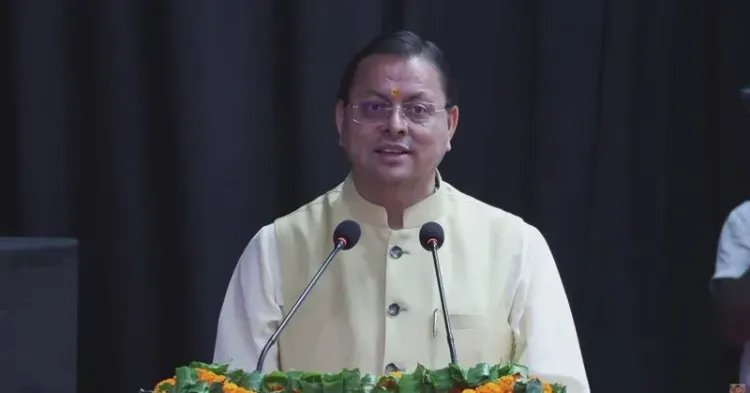
Synopsis
Uttarakhand Chief Minister Pushkar Singh Dhami live-streamed a state-level collective awareness and orientation programme in Dehradun on 4 June 2026, inviting residents to follow the proceedings on X. The event continues the Dhami administration's post-2022 pattern of using broadcast-led orientation drives to widen the reach of welfare scheme messaging across the state.
Key Takeaways
CM Pushkar Singh Dhami shared a live broadcast of a state-level collective awareness and orientation programme on 4 June 2026 .
The event was held in Dehradun , the capital and frequent venue for state-level convenings.
The original post is in Hindi and describes the event as a rajya stariya samuhik jagrukta abhimukhikaran karyakram .
Such orientation drives have been a recurring feature of Uttarakhand governance since the BJP's return to power in 2022 .
The primary stakeholders include Uttarakhand residents and state and district-level officials.
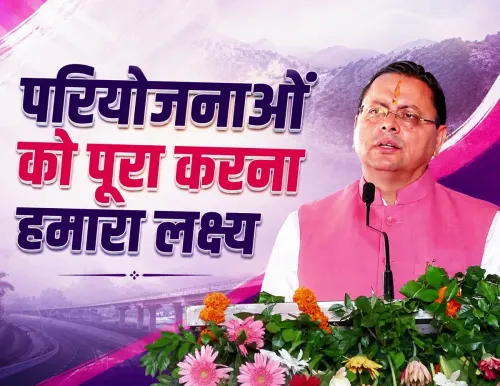
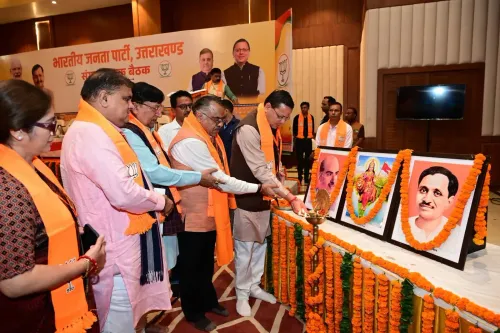
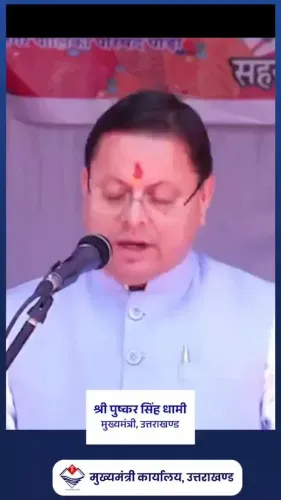
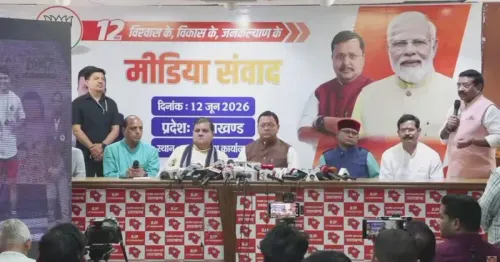
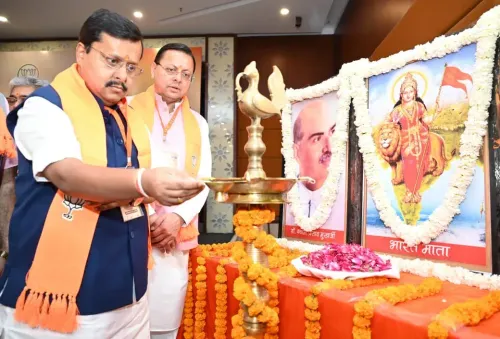
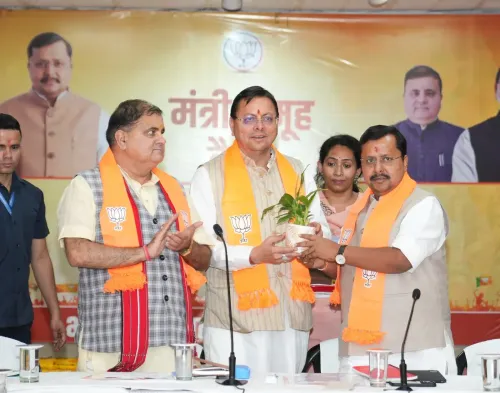
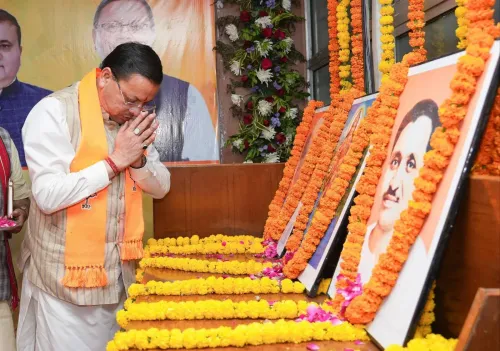
Uttarakhand Chief Minister Pushkar Singh Dhami on Thursday, 4 June 2026, live-streamed a state-level collective awareness and orientation programme held in Dehradun. The Chief Minister shared the broadcast link on X, inviting residents across the state to follow the proceedings of what he described as a 'rajya stariya samuhik jagrukta abhimukhikaran karyakram' (state-level collective awareness orientation programme).
Context
In his post, Dhami flagged the event as a 'LIVE' transmission from Dehradun, signalling the state government's intent to widen the reach of the orientation exercise beyond physical attendees. The accompanying broadcast was hosted on the platform's live video channel, a format the Chief Minister has used to amplify official engagements in the past.
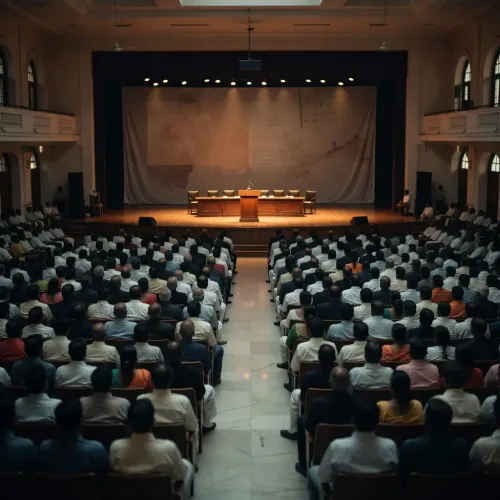
The capital city has been the recurring venue for such state-level convenings, given its concentration of administrative offices and proximity to senior officials of the Uttarakhand Government. Live formats allow the state machinery to project messaging simultaneously to district administrators, frontline staff and the public.
Policy backdrop
Since the Bharatiya Janata Party returned to power in Uttarakhand after the 2022 assembly elections, the Dhami administration has anchored its governance pitch in periodic district- and state-level orientation drives. These programmes are designed to improve public uptake of welfare schemes and tighten the feedback loop between officials and beneficiaries.
Collective awareness events of this kind have become a standard tool in Indian state administration, used to publicise entitlements, train field staff and surface implementation gaps. In Uttarakhand, they have featured prominently in the post-election governance calendar, with the Chief Minister often serving as the principal communicator.
Stakeholders and impact
The primary audience for the Dehradun programme is Uttarakhand's residents, particularly those in line for state and central welfare entitlements. Block- and district-level officials, who are typically tasked with translating such orientation sessions into on-ground delivery, form the second key constituency.
For the state government, broadcasting the event live serves a dual purpose: it expands the immediate audience and creates a public record of commitments made on stage. For citizens, it offers a direct channel to observe the messaging without relying on intermediaries.
Civil society groups and local representatives tend to watch such drives closely for cues on which schemes the administration plans to push in the coming quarters, and which districts are likely to see follow-up camps or verification exercises.
What's next
If the pattern set after 2022 holds, the Dehradun event is likely to be followed by similar orientation programmes in other districts, with line departments expected to track scheme saturation and grievance redressal in the weeks that follow.
The broader implication is that Uttarakhand's governance template continues to lean on direct, broadcast-led public engagement. How quickly the orientation translates into measurable scheme delivery on the ground will determine whether the live format is a communication win or a one-off optic.
Point of View
The Chief Minister positions himself as both communicator-in-chief and accountability anchor for scheme delivery. The real test, as with most such convenings, lies less in the optics of the Dehradun stage and more in whether district administrations convert the messaging into measurable saturation on the ground.
NationPress
18 Oct 2026
Frequently Asked Questions
What did CM Pushkar Singh Dhami announce on 4 June 2026?
Uttarakhand Chief Minister Pushkar Singh Dhami shared a live broadcast of a state-level collective awareness and orientation programme held in Dehradun on 4 June 2026, inviting residents to follow the event on X.
Where was the state-level awareness programme held?
The programme was held in Dehradun, the capital of Uttarakhand and a frequent venue for official state-level events and administrative meetings.
What is a 'samuhik jagrukta abhimukhikaran karyakram'?
It translates to a 'collective awareness orientation programme', a format used by state governments to publicise welfare schemes, brief officials and engage citizens directly.
Why does the Uttarakhand government hold such orientation drives?
Since the BJP's return to power after the 2022 assembly elections, the Dhami administration has used district- and state-level orientation programmes to improve public uptake of welfare schemes and tighten official outreach.
Will similar programmes be held in other Uttarakhand districts?
Based on the post-2022 governance pattern, similar orientation programmes are typically rolled out across other Uttarakhand districts, though no specific follow-up schedule has been confirmed in this post.