CM Dhami Wishes on Navratri Ashtami, Maa Mahagauri Day
Synopsis
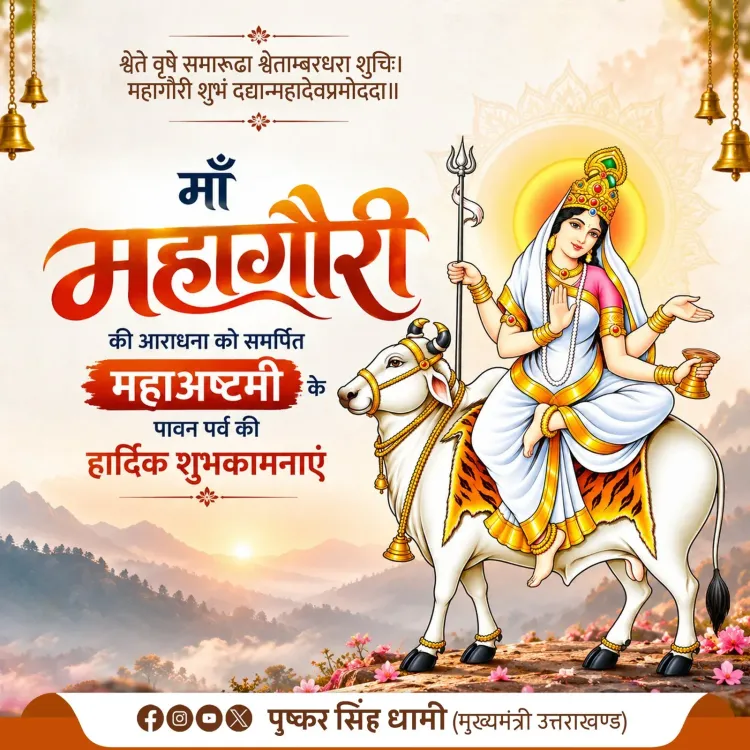
Uttarakhand CM Pushkar Singh Dhami marked Navratri Ashtami on 18 October 2026 by invoking Maa Mahagauri — goddess of purity and fortune — and praying for the fulfilment of all devotees' wishes.
Key Takeaways
CM Pushkar Singh Dhami posted Navratri Ashtami greetings on 18 October 2026 .
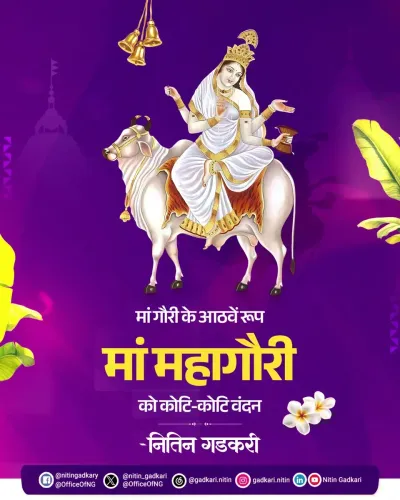
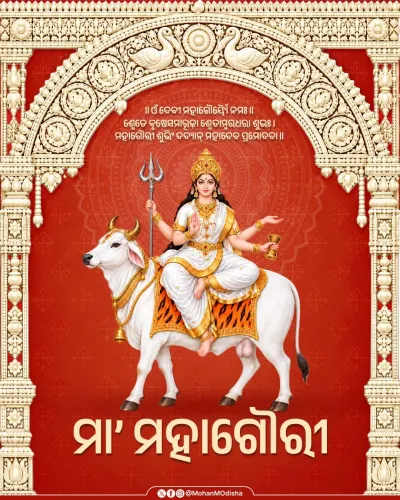
The eighth day of Sharadiya Navratri is dedicated to the worship of Maa Mahagauri , the deity of purity, fortune, and beauty.
Dhami prayed that the goddess fulfil the wishes of all devotees across the country.
Ashtami is among the most auspicious days of the nine-day Navratri cycle, observed with fasts and kanya pujan.
Uttarakhand has deep cultural links to Hindu pilgrimage, making such observances especially resonant in the hill state.
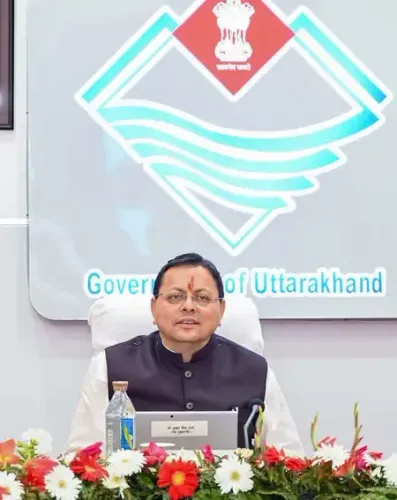
On the eighth day of Sharadiya Navratri, Uttarakhand Chief Minister Pushkar Singh Dhami extended warm greetings to devotees across the country, invoking the blessings of Maa Mahagauri — the goddess of purity, fortune, and beauty.
Posting in Hindi on Sunday, 18 October 2026, CM Dhami wrote: 'शक्ति स्वरूपा माँ महागौरी की आराधना को समर्पित शारदीय नवरात्रि के अष्टम दिवस की हार्दिक शुभकामनाएं' — ('Heartfelt greetings on the eighth day of Sharadiya Navratri, dedicated to the worship of the powerful Maa Mahagauri.'). He further prayed that the goddess — presiding deity of good fortune, wealth, and beauty — fulfil the wishes of all devotees.
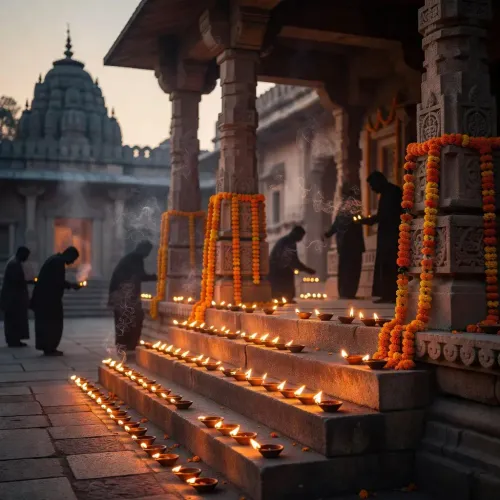
Ashtami, the eighth day of Navratri, holds special significance in the Hindu calendar. Maa Mahagauri is worshipped on this day as a symbol of purity and spiritual radiance, and devotees across Uttarakhand and the country observe fasts, perform kanya pujan, and offer prayers at temples. The day is widely regarded as one of the most auspicious of the nine-day festival.
For CM Dhami, the greeting is consistent with a broader pattern among Indian state leaders of all parties who use festival moments to connect with constituents — particularly significant in Uttarakhand, a state with deep cultural and religious ties to Hindu pilgrimage traditions, home to the Char Dham shrines and some of the country's most revered goddess temples. The festive season carries both spiritual and political resonance in the hill state.
As Navratri moves into its final day tomorrow, the ninth and concluding Navami will mark the culmination of nine nights of prayer — and a final wave of official greetings from leaders nationwide.
Point of View
Where Hindu pilgrimage identity is central to both governance and electoral politics. Invoking Maa Mahagauri's blessings for 'all wishes' signals inclusive outreach framed through a devotional register. Festival messaging of this kind functions simultaneously as cultural affirmation and constituency connect. As Navratri concludes, the frequency and tone of such communications from state capitals offer a useful index of how parties calibrate religious sentiment ahead of the post-festival political season.
NationPress
18 Oct 2026
Frequently Asked Questions
Which goddess is worshipped on Navratri Ashtami?
Maa Mahagauri, the eighth form of Goddess Durga, is worshipped on Navratri Ashtami. She is regarded as the presiding deity of purity, good fortune, wealth, and beauty.
What did CM Dhami post on Navratri Ashtami 2026?
Uttarakhand CM Pushkar Singh Dhami posted greetings in Hindi on 18 October 2026, invoking Maa Mahagauri's blessings and praying that the goddess fulfil the wishes of all devotees.
What is the significance of Ashtami in Navratri?
Ashtami, the eighth day of Navratri, is considered one of the most auspicious days of the festival. Devotees observe fasts, perform kanya pujan, and offer special prayers at temples dedicated to Goddess Durga.
Why is Navratri especially significant in Uttarakhand?
Uttarakhand is home to several major Hindu pilgrimage sites including the Char Dham shrines and revered goddess temples, giving Navratri deep cultural and religious resonance in the hill state.
What does Maa Mahagauri represent?
Maa Mahagauri represents purity, radiance, and spiritual power. She is also considered the presiding deity of good fortune, material wealth, and beauty in Hindu tradition.