CM Dhami Launches 'Meri Yojana' Audio Edition in Dehradun
Synopsis
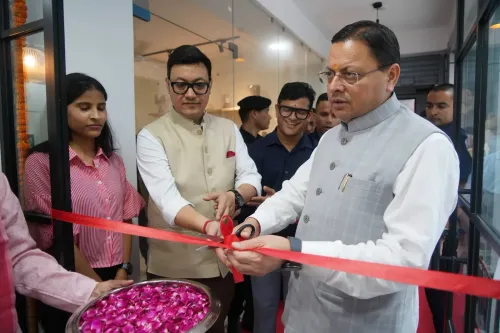
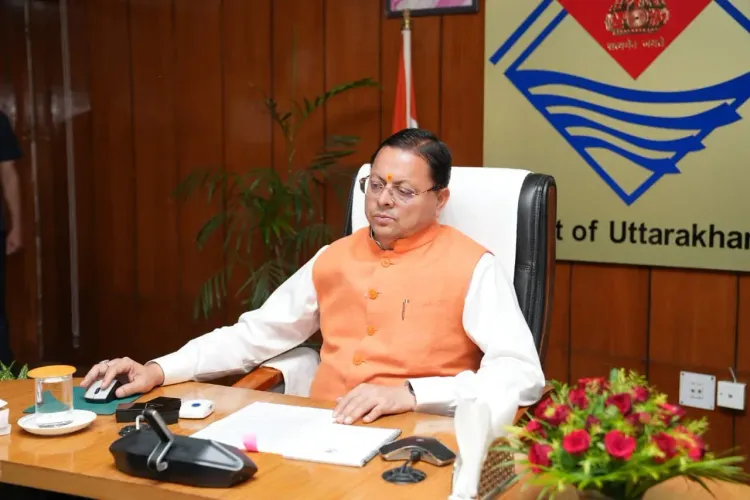
Chief Minister Pushkar Singh Dhami on June 9, 2026, unveiled audio clips of the 'Meri Yojana' welfare scheme book at the Uttarakhand Secretariat. The audio edition, covering central and state schemes in simple language, will be broadcast on Akashvani and other radio stations to improve last-mile citizen access.
Key Takeaways
CM Pushkar Singh Dhami unveiled the audio edition of the 'Meri Yojana' book at the Uttarakhand Secretariat on June 9, 2026 .
The book consolidates welfare schemes from multiple departments, covering eligibility, benefits, and application processes in simple language.
The audio version will be broadcast on Akashvani and other radio stations to reach remote and rural citizens.
The Programme Implementation Department has now published four print editions and one digital edition of 'Meri Yojana' prior to this audio launch.
Key schemes highlighted include Mukhya Mantri Swarozgar Yojana, Mahak Kranti Yojana, Aroma Valley, and Mission Apple , targeting youth and women.
CM Dhami directed officials to issue government orders in plain, accessible language to ensure benefits reach the last citizen.
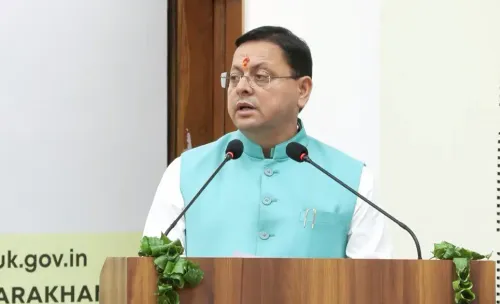
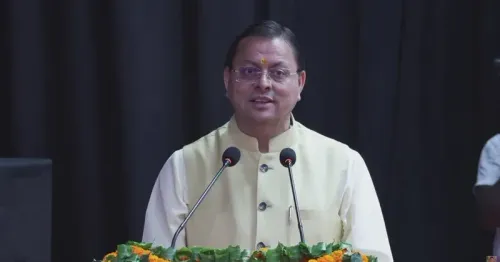
Chief Minister Pushkar Singh Dhami on Tuesday, June 9, 2026, unveiled the audio clips of the 'Meri Yojana' book at the Uttarakhand Secretariat in Dehradun, a compilation of central and state government welfare schemes prepared by the Programme Implementation Department. The audio edition is designed to make scheme-related information accessible to citizens who may face barriers with printed or digital formats.
Context
Speaking at the event, CM Dhami said the book brings together welfare schemes from various departments under one roof, so that 'aam nagarikon ko yojanaon ki jaankari aasani se uplabdh ho sakegi' (ordinary citizens can easily access information about schemes). The compilation covers eligibility criteria, benefits, and application procedures in simple language for schemes spanning self-employment, skill development, and education.
Secretary, Programme Implementation, Deepak Kumar, stated that the audio version will be broadcast on Akashvani and other radio stations, extending outreach to remote and rural populations. He noted that the department had already published four earlier print editions of 'Meri Yojana' and had previously released a digital version as well.
Policy Backdrop
The 'Meri Yojana' initiative reflects a broader national push by state governments to consolidate fragmented welfare information and improve last-mile delivery. Audio adaptations are particularly significant in a state like Uttarakhand, where mountainous terrain and low digital penetration in remote areas can limit access to printed or online resources.
CM Dhami used the occasion to direct officials to continuously innovate in delivering welfare scheme benefits to the last person in line, and to issue government orders in plain, accessible language. He also noted that Prime Minister Narendra Modi has become the longest-serving elected Prime Minister of India, crediting central leadership with establishing new dimensions of national development under the 'Viksit Bharat' (Developed India) vision.
Stakeholders and Impact
The primary beneficiaries are common citizens, youth, and women across Uttarakhand, particularly those in remote districts. The state government highlighted schemes such as the Mukhya Mantri Swarozgar Yojana, Mahak Kranti Yojana, Aroma Valley, and Mission Apple as examples of employment and livelihood programmes covered in the compilation.
CM Dhami noted that the double-engine government model — referring to aligned BJP governments at the centre and state — has strengthened the state economy, with per capita income recording consistent growth. He added that Uttarakhand has seen notable progress in road, rail, and air connectivity, health, education, and infrastructure, with development reaching distant areas through central financial support.
What's Next
The audio clips of 'Meri Yojana' are set to begin broadcasting on Akashvani and partner radio stations, potentially reaching citizens in areas with limited internet access. Officials and observers will watch for whether the audio outreach translates into measurable increases in scheme enrolment and benefit uptake across the state's remote regions.
Director General of Information, Banshidhar Tiwari, was also present at the event. The government's emphasis on plain-language orders and inclusive formats signals a continued focus on governance accessibility as a policy priority in Uttarakhand heading into the second half of 2026.
Point of View
Targeting rural and remote constituencies ahead of electoral cycles. By anchoring the event to remarks on PM Modi's record tenure and the double-engine model, CM Dhami reinforces political alignment with the Centre while projecting administrative competence at the state level. The directive to issue plain-language government orders is a noteworthy governance signal, though implementation will determine whether it moves beyond optics. Akashvani-based broadcast is a low-cost, high-reach channel that could meaningfully improve scheme awareness if programming slots and frequency are sustained.
NationPress
26 Oct 2026
Frequently Asked Questions
What is the Meri Yojana book in Uttarakhand?
'Meri Yojana' is a compilation published by the Uttarakhand Programme Implementation Department that brings together welfare schemes of central and state governments — covering self-employment, skill development, and education — in simple language, including eligibility criteria, benefits, and application procedures.
What did CM Dhami launch at the Uttarakhand Secretariat on June 9, 2026?
CM Pushkar Singh Dhami unveiled the audio clips of the 'Meri Yojana' welfare scheme book, which will be broadcast on Akashvani and other radio stations to help citizens in remote areas access scheme information.
Where will the Meri Yojana audio clips be broadcast?
The audio clips will be broadcast on Akashvani and other radio stations across Uttarakhand, as confirmed by Secretary Programme Implementation Deepak Kumar at the launch event.
What schemes are covered in the Meri Yojana Uttarakhand book?
The book covers a wide range of central and state welfare schemes, including the Mukhya Mantri Swarozgar Yojana, Mahak Kranti Yojana, Aroma Valley, Mission Apple, and schemes related to skill development and education.
How many editions of Meri Yojana have been published?
The Programme Implementation Department has published four print editions and one digital edition of 'Meri Yojana' before the audio version was launched in June 2026.