CM Dhami Lays Foundation for Haridwar Ganga Corridor
Synopsis
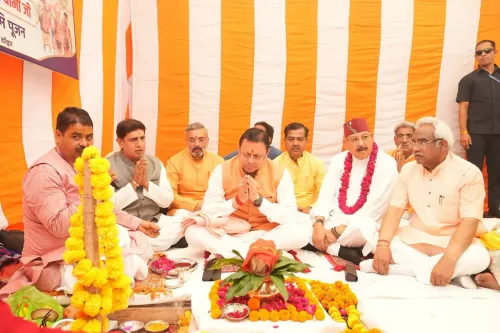
Uttarakhand Chief Minister Pushkar Singh Dhami on 21 July 2026 presided over the bhoomi pujan and foundation-laying for Haridwar Ganga Corridor projects under the UIIDB, advancing the state's riverfront and pilgrimage infrastructure agenda in one of India's holiest cities.
Key Takeaways
CM Pushkar Singh Dhami conducted the bhoomi pujan and shilanyas for Haridwar Ganga Corridor projects on 21 July 2026 .
The projects are being executed by the Uttarakhand Investment and Infrastructure Development Board (UIIDB) .
Haridwar is a key pilgrimage city on the Ganga and a priority zone under the Central government's Namami Gange programme (launched 2014-15).
The corridor initiative is expected to benefit millions of pilgrims annually and boost the local tourism and hospitality economy.
Project delivery timelines and integration with future Kumbh Mela planning will be closely monitored.
The development mirrors riverfront corridor models implemented in cities such as Varanasi under national river rejuvenation policy.
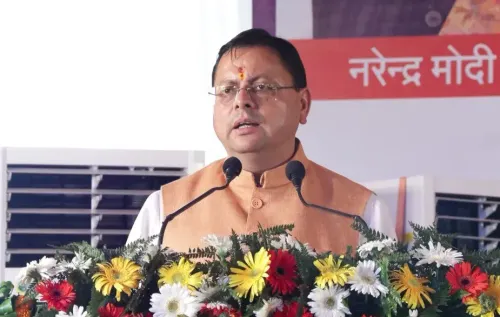
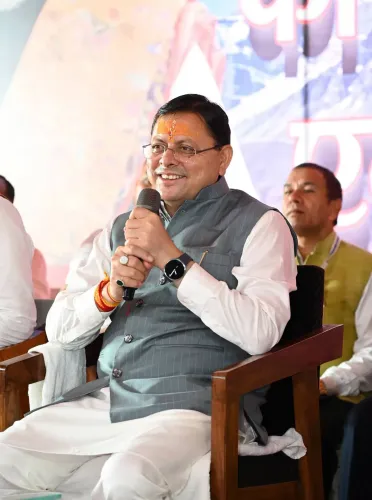
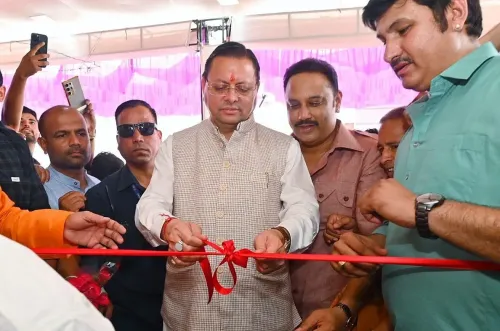
Uttarakhand Chief Minister Pushkar Singh Dhami on Tuesday, 21 July 2026 presided over a bhoomi pujan and foundation-laying ceremony for projects under the Haridwar Ganga Corridor, executed by the Uttarakhand Investment and Infrastructure Development Board (UIIDB) in the pilgrimage city of Haridwar. The live event, streamed publicly, marks a significant step in the state government's push to upgrade riverfront and pilgrim infrastructure along the sacred Ganga.
Context
Dhami shared the live broadcast of the event on social media, describing it as a 'bhoomi pujan evam shilanyas karyakram' (foundation-laying and stone-inscription ceremony) for projects related to the Haridwar Ganga Corridor, operated under the UIIDB. The ceremony signals the formal commencement of construction-phase activities for the corridor, which is aimed at transforming the riverfront experience in one of India's holiest cities.
Haridwar sits at the foothills of the Himalayas where the Ganga descends to the plains, drawing millions of pilgrims annually and hosting the iconic Kumbh Mela on a cyclical basis. Any large-scale infrastructure intervention here carries both economic and religious significance for the state and the country.
Policy Backdrop
The Haridwar Ganga Corridor initiative sits at the intersection of state-level investment planning and the Central government's flagship Namami Gange programme, launched in 2014-15 to conserve and rejuvenate the river through pollution abatement, ghat development, and riverfront beautification. Uttarakhand, as the origin state of the Ganga, has been a priority zone under this national scheme.
The UIIDB has been deployed as the executing agency, reflecting a broader pattern of using state investment boards to fast-track corridor-style projects. This approach mirrors the model used in cities like Varanasi, where integrated riverfront development has reshaped pilgrimage tourism and local commerce over the past decade.
Uttarakhand governments have consistently prioritised riverfront and tourism infrastructure upgrades in Haridwar and other Ganga-side towns, recognising the pilgrimage economy as a primary driver of state revenue and employment.
Stakeholders and Impact
The most immediate beneficiaries of the Haridwar Ganga Corridor projects are the millions of pilgrims who visit the city each year, who stand to gain from improved ghats, better access infrastructure, and enhanced amenity facilities along the riverfront. The local hospitality, retail, and transport sectors are also expected to see increased footfall and economic activity once the corridor is operational.
For the broader Uttarakhand tourism sector, a upgraded Haridwar riverfront strengthens the state's positioning as a religious and wellness tourism destination. Corridor-style development also has implications for future Kumbh Mela arrangements, where crowd management and infrastructure readiness are critical logistical concerns.
What's Next
Attention will now turn to project completion timelines and the integration of the corridor works with existing Namami Gange infrastructure already in place along the Haridwar riverfront. Any additional central funding releases under extensions of the Namami Gange programme could accelerate or expand the scope of the corridor.
With Kumbh Mela cycles a constant planning horizon for Haridwar, the pace of delivery on the corridor projects will be closely watched by state administrators, pilgrimage bodies, and the tourism industry alike. The bhoomi pujan today marks the beginning of a construction phase whose outcomes will shape the city's infrastructure for years to come.
Point of View
Allowing the Dhami administration to demonstrate delivery on both religious sentiment and economic development simultaneously. Corridor-style riverfront projects have become a signature BJP governance motif, as seen in Varanasi, and replicating the model in Haridwar deepens that political branding ahead of future electoral cycles in Uttarakhand. The use of the UIIDB as executing agency signals an intent to bypass slower departmental processes and accelerate visible outcomes. How quickly the corridor translates from foundation stone to functional infrastructure will determine whether the political dividend is realised or deferred.
NationPress
21 Jul 2026
Frequently Asked Questions
What is the Haridwar Ganga Corridor?
The Haridwar Ganga Corridor is a riverfront infrastructure development initiative in Haridwar, Uttarakhand, aimed at upgrading ghats, pilgrim facilities, and public spaces along the Ganga river, executed by the Uttarakhand Investment and Infrastructure Development Board.
What happened at the Haridwar Ganga Corridor event on 21 July 2026?
Uttarakhand Chief Minister Pushkar Singh Dhami presided over a bhoomi pujan and foundation-laying ceremony for projects under the Haridwar Ganga Corridor on 21 July 2026, formally marking the start of the construction phase.
What is the UIIDB and what role does it play?
The Uttarakhand Investment and Infrastructure Development Board (UIIDB) is a state agency responsible for promoting investment and executing infrastructure projects in Uttarakhand. It is the executing body for the Haridwar Ganga Corridor projects.
How is the Haridwar Ganga Corridor related to Namami Gange?
The corridor aligns with the Central government's Namami Gange programme, launched in 2014-15 for Ganga conservation and riverfront development. Uttarakhand, as the river's origin state, has been a priority area under the scheme.
Who will benefit from the Haridwar Ganga Corridor projects?
Pilgrims visiting Haridwar, the local tourism and hospitality industry, and the broader Uttarakhand economy stand to benefit from improved riverfront infrastructure, better access facilities, and enhanced amenities along the Ganga.