CM Dhami links UCC, SC welfare to Ravidas's teachings
Synopsis
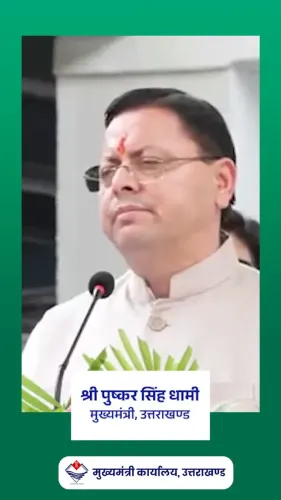
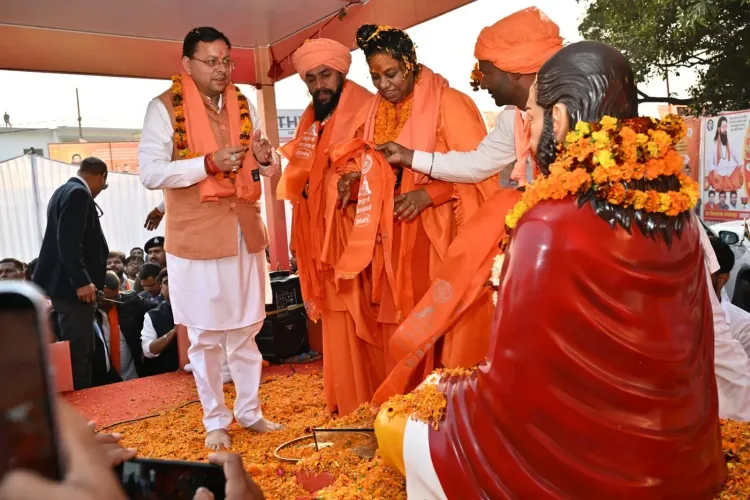
At a Sant Ravidas anniversary-year event in Haridwar, Uttarakhand Chief Minister Pushkar Singh Dhami linked the state's Uniform Civil Code with social harmony and outlined welfare measures for Scheduled Caste students, families and sanitation workers.
Key Takeaways
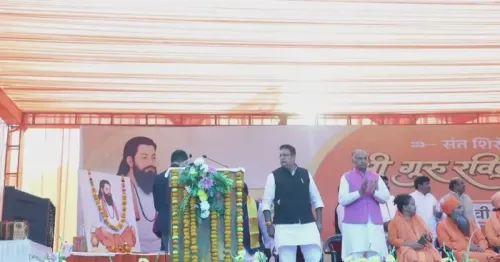
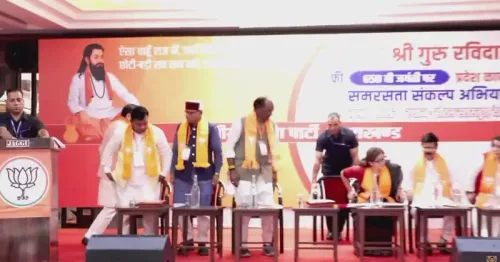
The Chief Minister's Office said Pushkar Singh Dhami attended the Samrasta Sankalp Yatra in Dhanauri, Haridwar.
The event marked Sant Ravidas's 650th birth anniversary year, according to the office.
Dhami connected Uttarakhand's Uniform Civil Code with the saint's message of social harmony.
He cited scholarships, village development and hostels among measures for Scheduled Caste communities.
He said eligible inter-caste couples can receive ₹50,000, while a separate marriage grant supports eligible Scheduled Caste families.
Dhami also cited the NAMASTE scheme's focus on sanitation-worker safety and self-employment.
The Chief Minister's Office of Uttarakhand on 24 November 2026 reported that Chief Minister Pushkar Singh Dhami linked the state's Uniform Civil Code and Scheduled Caste welfare schemes to Sant Ravidas's message of social harmony at an event in Dhanauri, Haridwar. The gathering at Dr Prithvi Singh Viksit Degree College marked the saint's 650th birth anniversary year, according to the office.
Dhami connects Ravidas's message to the UCC
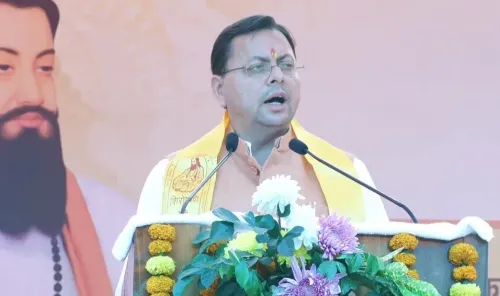
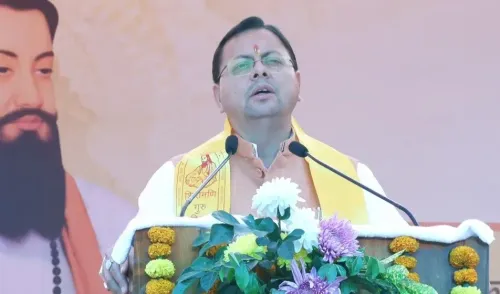
At the Samrasta Sankalp Yatra, Dhami called for people to embrace the saint's ideas and ideals. Social harmony, he said, 'should not remain confined to speeches and slogans' but should also be visible in conduct and actions, according to the post.
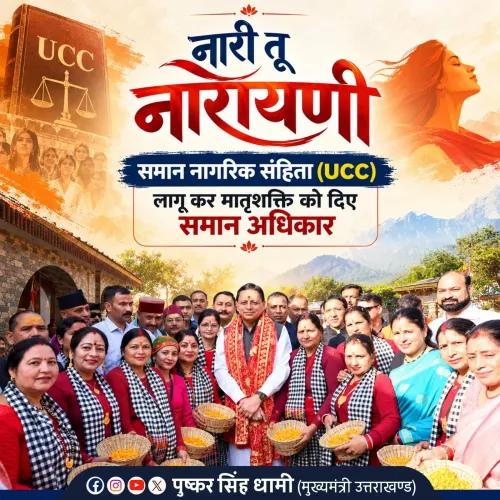
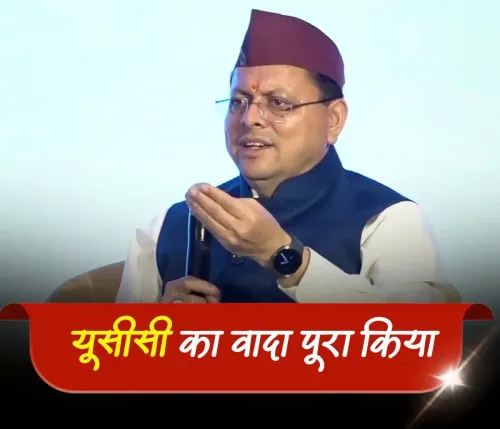
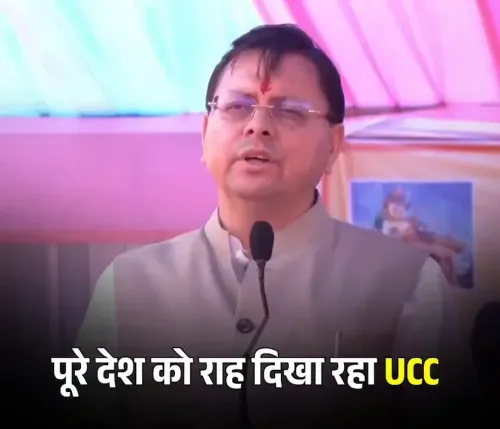
The Chief Minister also presented the Uniform Civil Code as an expression of that philosophy, saying Uttarakhand had become the first state to implement such a law. The state's Assembly passed its UCC Bill in February 2024.
Sant Ravidas, a 15th-century Bhakti saint and social reformer, is associated with teachings on equality and social harmony. Dhami's remarks placed those ideas alongside both a common civil law and targeted welfare measures.
Scholarships, hostels and support for SC families
The Chief Minister said pre-matric and post-matric scholarships were available to help Scheduled Caste students continue their education despite financial hardship. He also cited the Scheduled Caste Sub-Plan and Tribal Sub Plan as instruments for development and welfare.
Under PM-AJAY, the government is developing basic facilities in SC-majority villages, he said. He also cited hostel construction in Dehradun, Almora and Nainital under the Babu Jagjivan Ram hostel scheme.
Dhami said the state offers ₹50,000 to eligible inter-caste couples where one spouse belongs to a Scheduled Caste. A separate marriage grant provides ₹50,000 per daughter for up to two daughters in eligible Scheduled Caste families, he said.
NAMASTE and sanitation workers' safety
The Chief Minister also pointed to the NAMASTE scheme, saying it focuses on moving sanitation workers away from unsafe sewer and septic-tank cleaning and creating self-employment opportunities. The central scheme supports mechanised sanitation and rehabilitation.
Dhami's address brought a broad legal reform and specific education, marriage and livelihood programmes into the same conversation about equality. For the communities those programmes are meant to reach, their delivery will be the practical test of that message.
Point of View
While scholarships, village infrastructure and sanitation-worker programmes address specific barriers to opportunity and safety. The connection is the Chief Minister's political framing; the effectiveness of each measure depends on its implementation.
NationPress
24 Nov 2026
Frequently Asked Questions
Where did CM Dhami attend the Sant Ravidas event?
The Chief Minister's Office said he attended the Samrasta Sankalp Yatra at Dr Prithvi Singh Viksit Degree College in Dhanauri, Haridwar.
What did Dhami say about the Uttarakhand UCC?
Dhami linked the Uniform Civil Code to Sant Ravidas's vision of social harmony and said Uttarakhand was the first state to implement such a law. The state's Assembly passed its UCC Bill in February 2024.
What is the inter-caste marriage incentive in Uttarakhand?
Dhami said eligible couples receive ₹50,000 when one spouse belongs to a Scheduled Caste.
What welfare schemes did Dhami mention in Haridwar?
He cited pre-matric and post-matric scholarships, PM-AJAY village development, hostels, marriage assistance and the NAMASTE sanitation scheme.
What is the NAMASTE scheme for sanitation workers?
NAMASTE is a central scheme supporting mechanised sanitation and rehabilitation. Dhami said its work includes reducing unsafe sewer and septic-tank cleaning and supporting self-employment.