CM Dhami Meets State Functionaries at Mukhya Sevak Sadan
Synopsis
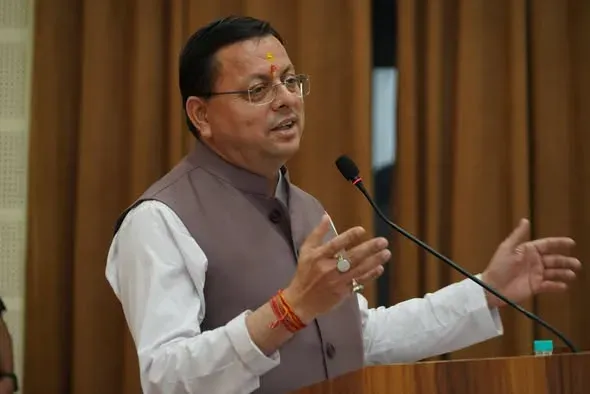
Uttarakhand CM Pushkar Singh Dhami convened a meeting with state functionaries at Mukhya Sevak Sadan on 2 August 2026, discussing development priorities, welfare scheme delivery, and citizen feedback from across the state.
Key Takeaways
Pushkar Singh Dhami met dayitvadhari (state functionaries) at Mukhya Sevak Sadan, Dehradun on 2 August 2026 .
Discussions covered development, public welfare policies, and citizen grievances from multiple regions of Uttarakhand.
Dhami described functionaries as a critical bridge between the government and the public — both for outreach and feedback.
In Uttarakhand's hilly and remote terrain, such intermediaries play a practical role in last-mile delivery of central and state schemes.
Formal outcomes of the meeting are yet to be announced; follow-up updates on schemes or infrastructure are expected.
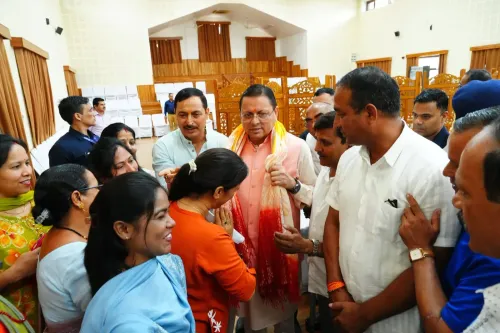
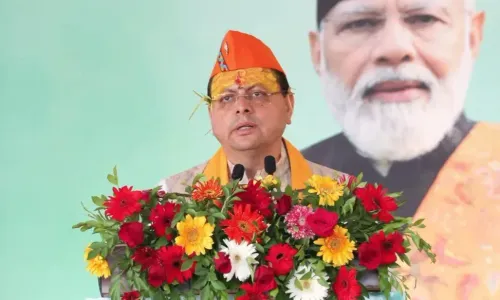
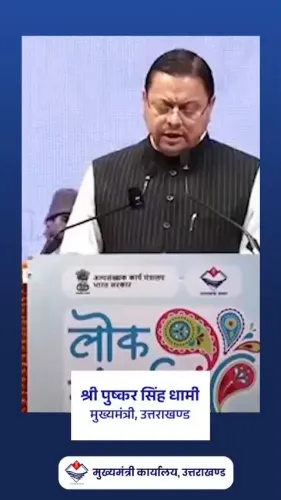
At Mukhya Sevak Sadan in Dehradun, Uttarakhand Chief Minister Pushkar Singh Dhami sat down on Sunday, 2 August 2026, with dayitvadhari (duty-bearers) drawn from across the state — the ground-level functionaries who carry government policy the last mile into Uttarakhand's hills and valleys.
Dhami described the meeting as a wide-ranging discussion on development, public welfare, and issues of direct concern to citizens. In his words, these functionaries are 'sarkar aur janta ke beech ek mahatvapurna setu' — 'an important bridge between the government and the people' — responsible both for pushing welfare schemes outward to every household and for channelling public expectations, problems, and suggestions back to the administration.
Who Are the Dayitvadhari — and Why This Meeting Matters
The term dayitvadhari refers to office-bearers and designated functionaries within the party-government ecosystem — local representatives entrusted with specific organisational or administrative responsibilities. In a state like Uttarakhand, where terrain isolates dozens of communities from district headquarters, these intermediaries are not ceremonial. They are often the first point of contact between a beneficiary and a welfare scheme.
Chief ministers across Indian states regularly convene such structured consultations, aligning with the constitutional push for decentralised governance through panchayati raj institutions. For Uttarakhand specifically — a state with a significant share of remote, high-altitude settlements — the feedback loop these functionaries provide is a practical necessity for scheme delivery.
What Was on the Table at Mukhya Sevak Sadan
The discussion covered development priorities, public welfare policies, and citizen grievances from multiple regions of the state. While specific outcomes of the 2 August 2026 meeting have not been formally announced, the format signals a review of how central and state programmes are reaching intended beneficiaries — and where gaps remain. Subsequent government updates on welfare schemes or infrastructure decisions are likely to reflect the inputs gathered here.
The setting itself carries weight: Mukhya Sevak Sadan — literally 'the chief servant's house' — is the name Dhami uses for the Chief Minister's official residence, a deliberate framing that positions the office as one of public service rather than authority.
Point of View
Whose political standing in Uttarakhand rests partly on visible grassroots outreach, the dayitvadhari format serves a dual purpose: it surfaces real implementation gaps in a difficult terrain while reinforcing organisational discipline. The 'bridge' framing also signals that the administration is aware of the feedback deficit that remote geography creates — and is attempting to institutionalise a remedy.
NationPress
17 Sept 2026
Frequently Asked Questions
What is Mukhya Sevak Sadan in Uttarakhand?
Mukhya Sevak Sadan is the official residence of the Uttarakhand Chief Minister in Dehradun. CM Pushkar Singh Dhami uses the name — meaning 'chief servant's house' — to frame the office as one of public service.
Who are dayitvadhari in the context of Uttarakhand politics?
Dayitvadhari refers to designated party or administrative functionaries entrusted with specific organisational responsibilities. They act as local intermediaries between the government and citizens, especially in remote areas.
Why did CM Dhami meet state functionaries on 2 August 2026?
CM Dhami convened the meeting to discuss development priorities, welfare scheme delivery, and citizen grievances from across Uttarakhand, and to reinforce the role of functionaries in two-way communication between the government and the public.
What issues were discussed at the CM Dhami meeting with dayitvadhari?
The discussions covered development, public welfare policies, citizen expectations, local problems, and suggestions from various regions of Uttarakhand. Specific outcomes had not been formally announced at the time of the meeting.
How does Uttarakhand's geography affect welfare scheme delivery?
Uttarakhand's hilly and high-altitude terrain isolates many communities from district headquarters, making ground-level functionaries essential for last-mile delivery of both central and state welfare programmes.