CM Dhami Moved by Youth, Veterans and Women at Public Event
Synopsis
Uttarakhand Chief Minister Pushkar Singh Dhami expressed deep gratitude after thousands of youth, ex-servicemen, Veer Naris and women attended a public programme, saying their affection and trust inspire him to serve Devbhoomi and the nation with greater dedication.
Key Takeaways
CM Pushkar Singh Dhami described the turnout of thousands at a public programme as 'overwhelming' and deeply moving.
Attendees included youth, ex-servicemen, Veer Naris (war widows), and women — key civic constituencies in Uttarakhand.
Uttarakhand has one of India's highest concentrations of ex-servicemen, making veteran outreach central to state politics.
Dhami framed the public affection as a source of inspiration for continued dedication to Devbhoomi and national service.
The BJP government in Uttarakhand has consistently prioritised veteran welfare and women's empowerment as policy pillars.
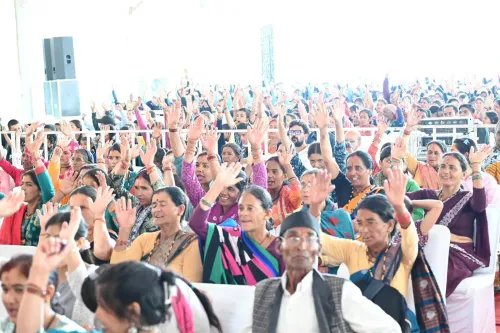
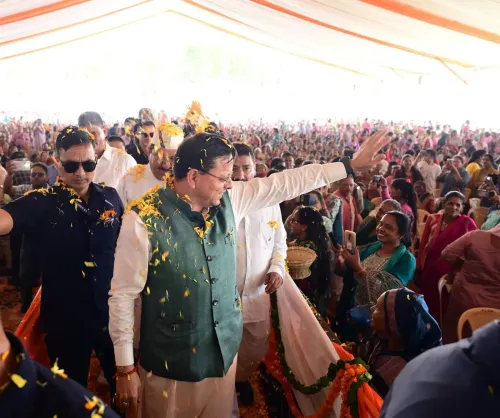
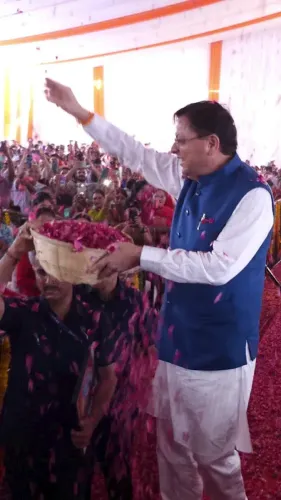
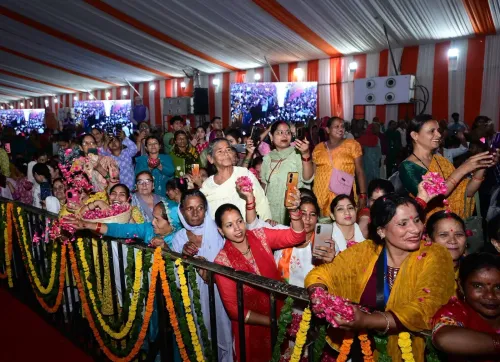
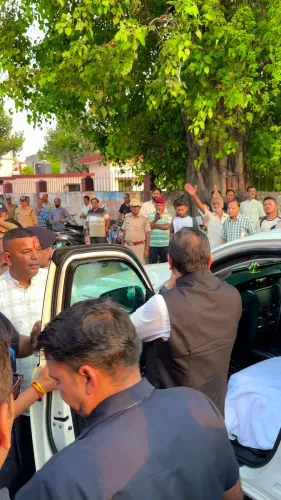
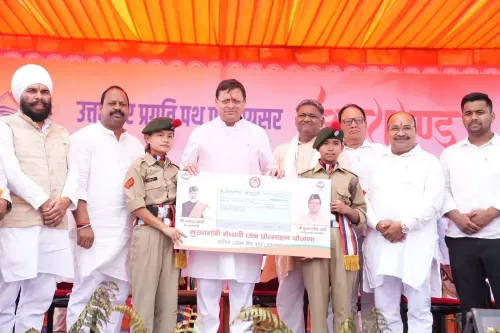
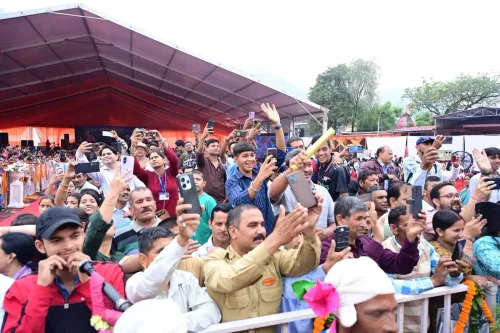
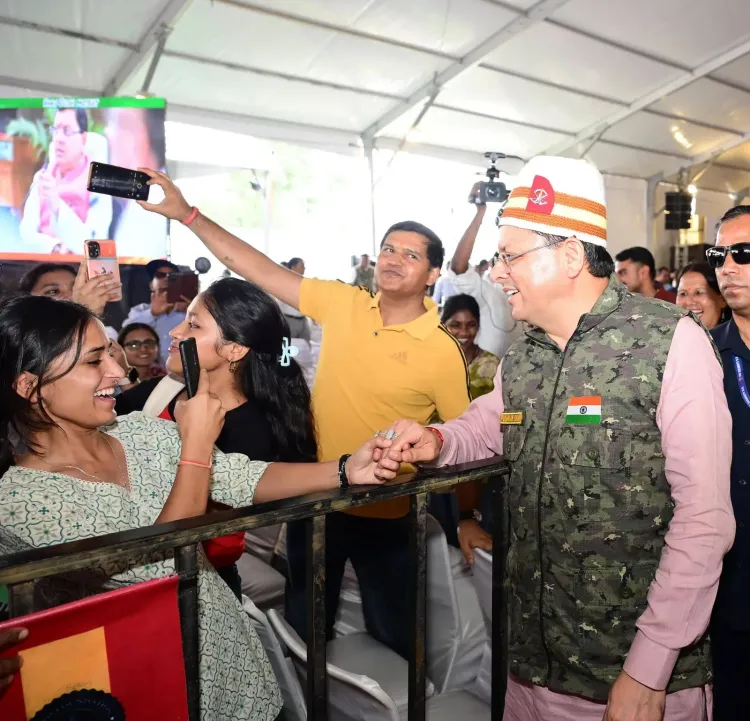
Uttarakhand Chief Minister Pushkar Singh Dhami on Friday, 17 July 2026, shared his appreciation for the overwhelming turnout of youth, ex-servicemen, Veer Naris (war widows), and women at a public programme, describing the affection and enthusiasm of those present as deeply moving and a source of continued inspiration for his work in service of Devbhoomi Uttarakhand and the nation.
Posting on X, CM Dhami wrote: 'Karyakram mein hazaron ki sankhya mein upasthit yuvaon, purv sainikon, veer nariyon evam matrashakti ka aatmiya sneh, utsah aur vishwas abhibhoot karne wala raha' — ('The heartfelt affection, enthusiasm and trust of the thousands of youth, ex-servicemen, Veer Naris and women present at the programme was overwhelming.'). He added that this immense affection and support continuously inspires him and his government to work with even greater dedication towards Devbhoomi and national service.
Context
Uttarakhand, often called Devbhoomi (Land of the Gods), has one of the highest concentrations of ex-servicemen in India, owing to the state's long tradition of military recruitment. Veer Naris — widows of soldiers who died in service — are a particularly respected constituency in the state's social and political fabric. Public programmes that bring together veterans, their families, youth, and women's groups are a recurring feature of governance outreach in the region.
CM Dhami, who has led the state since 2021, has consistently positioned his administration as one that prioritises both cultural identity and welfare of communities tied to the armed forces. The reference to 'matrashakti' (the power of mothers and women) underscores the BJP government's emphasis on women's participation in public life and political engagement.
Policy Backdrop
The Bharatiya Janata Party government in Uttarakhand has maintained a strong focus on ex-servicemen welfare, which includes pension facilitation, employment for veterans' dependants, and recognition of Veer Naris through state programmes. These efforts align with the broader national agenda of honouring military families.
Women's self-help groups and matrashakti outreach have also been central to the state government's grassroots engagement strategy, with schemes aimed at rural women's economic empowerment forming a key pillar of the administration's social policy.
Stakeholders and Impact
The communities highlighted by CM Dhami — youth, ex-servicemen, Veer Naris, and women — represent significant voter and civic constituencies in Uttarakhand. Their visible enthusiasm at such public programmes signals continued social support for the state government's direction. For ex-servicemen families in particular, direct engagement from the Chief Minister carries symbolic weight beyond routine political communication.
Youth participation at such events also reflects the government's efforts to connect with a generation that forms the backbone of both the state's electoral future and its aspirations for economic development in a predominantly hill economy.
What's Next
Observers of Uttarakhand politics will watch for follow-up policy announcements, particularly around ex-servicemen welfare schemes or women's self-help and livelihood initiatives, which often accompany or follow such high-attendance public programmes. CM Dhami's framing of the event as a source of personal inspiration suggests the government intends to channel this public goodwill into renewed administrative momentum in the months ahead.
Point of View
Veterans, Veer Naris and women as his source of inspiration, he reinforces the BJP's core support architecture in a border state where military families carry disproportionate social influence. The choice of the word abhibhoot (overwhelmed) signals emotional resonance rather than transactional politics, a register the BJP has cultivated carefully in Uttarakhand since 2021. This kind of post-event communication also serves as a soft signal to the bureaucracy and party cadre that these constituencies remain a priority. Expect it to precede or accompany concrete welfare announcements targeting veterans and women's groups.
NationPress
17 Jul 2026
Frequently Asked Questions
What did CM Pushkar Singh Dhami say about the public programme?
CM Dhami said the affection, enthusiasm and trust shown by thousands of youth, ex-servicemen, Veer Naris and women at the programme was overwhelming and continuously inspires him to work with greater dedication for Devbhoomi Uttarakhand and national service.
Who are Veer Naris and why are they important in Uttarakhand?
Veer Naris are widows of soldiers who died in service. Uttarakhand has one of India's highest concentrations of military families due to its long tradition of army recruitment, making Veer Naris a deeply respected and politically significant constituency in the state.
What is Devbhoomi and why does CM Dhami use the term?
Devbhoomi, meaning 'Land of the Gods', is a widely used name for Uttarakhand, reflecting the state's religious and cultural significance. CM Dhami regularly invokes the term to reinforce the state's identity and his government's commitment to its heritage.
What welfare schemes does the Uttarakhand government have for ex-servicemen?
The Uttarakhand government, under the BJP, has focused on pension facilitation, employment for veterans' dependants, and recognition programmes for Veer Naris, aligning with the national agenda of honouring military families.
What is CM Dhami's political background?
Pushkar Singh Dhami is a BJP leader who has served as Chief Minister of Uttarakhand since 2021. He is known for promoting state development, cultural initiatives, and outreach to communities with strong ties to the armed forces.