CM Dhami Expresses Gratitude After Public Programme
Synopsis
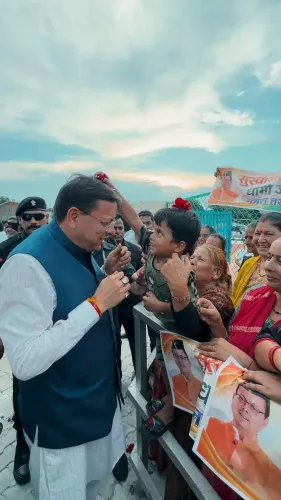
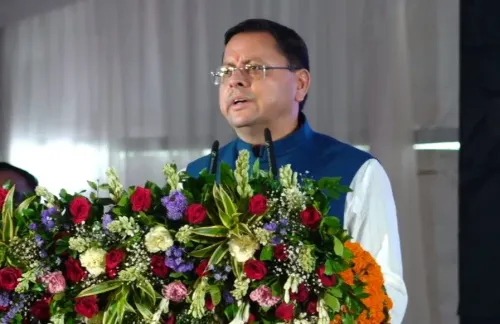
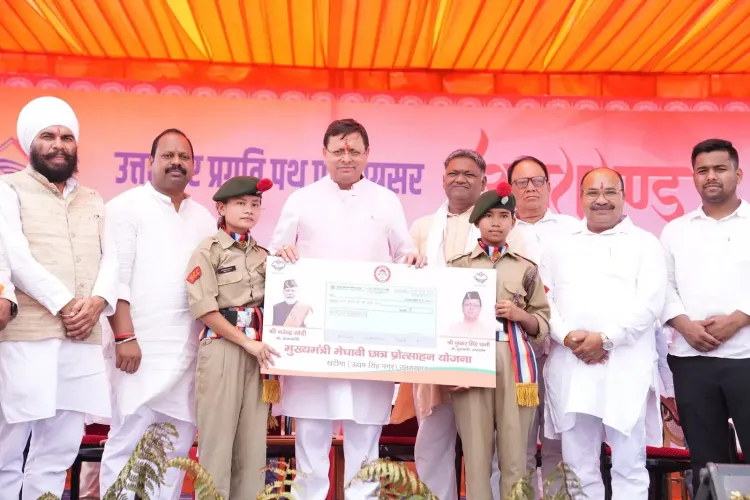
Uttarakhand Chief Minister Pushkar Singh Dhami on June 14, 2026 expressed gratitude on X for the overwhelming affection, support, and blessings from women, youth, senior citizens, party workers, and local residents at a public programme, sharing four images from the event.
Key Takeaways
CM Pushkar Singh Dhami posted on X on June 14, 2026 expressing gratitude after a public programme in Uttarakhand .
He specifically acknowledged matrashakti (women), youth , senior citizens , party workers , and local citizens for their affection and blessings.
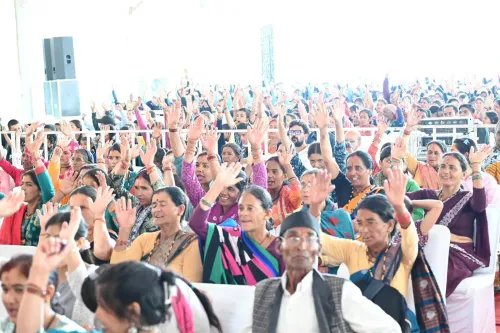
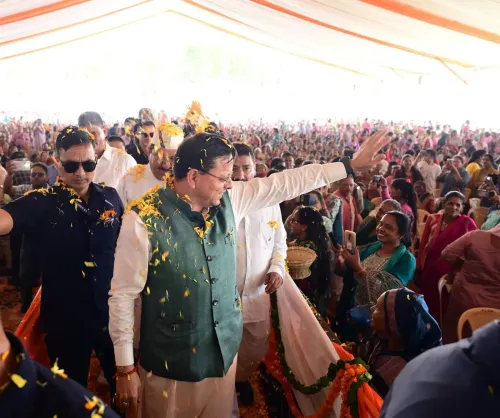
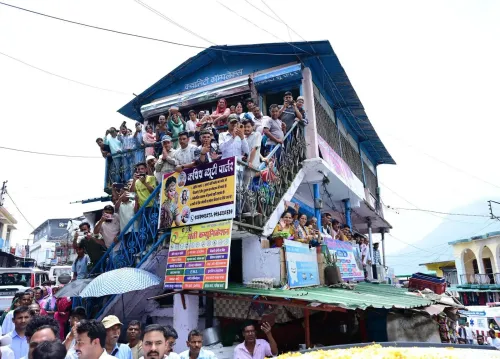
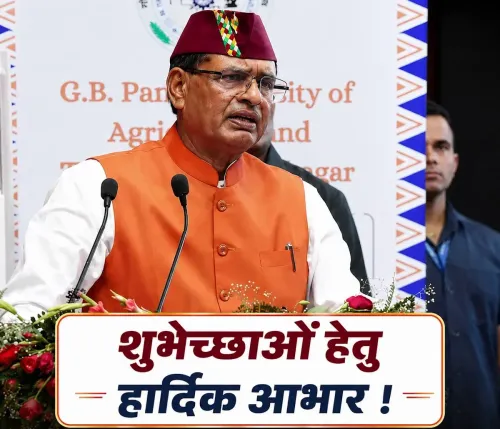
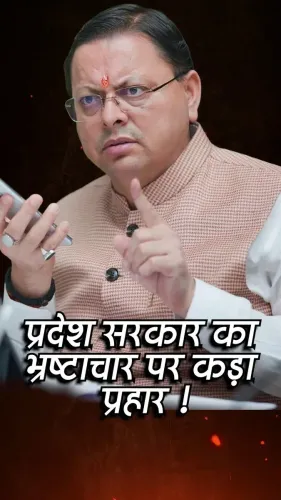
The post included four images from the event, indicating a well-attended public gathering.
Dhami has served as Uttarakhand Chief Minister since March 2021 , leading the BJP government in the state.
Such outreach events form part of the BJP 's sustained strategy to consolidate support among key voter groups between elections.
Uttarakhand Chief Minister Pushkar Singh Dhami on Sunday, June 14, 2026, expressed deep gratitude to the large gathering of women, youth, senior citizens, party workers, and local residents who attended a public programme, saying he was overwhelmed by the affection, support, and blessings he received.
Context
Posting on X, CM Dhami wrote in Hindi: 'karyakram mein badi sankhya mein upasthit matrashakti, yuvaon, varishthjanon, karyakartaon evam sthaniya nagarikon se mile sneh, samarthan aur ashirwad se abhibhut hoon' — translated as: 'I am overwhelmed by the affection, support, and blessings received from the large number of women, youth, senior citizens, workers, and local citizens present at the programme.' The post was accompanied by four images from the event.
The term matrashakti — literally 'the power of mothers' — is widely used in Indian political discourse to refer to women constituents, and its prominent mention signals the Chief Minister's continued outreach to women voters in the state.
Policy Backdrop
Pushkar Singh Dhami has served as Chief Minister of Uttarakhand since March 2021, when he assumed office following the resignation of his predecessor. He leads the Bharatiya Janata Party (BJP) government in the state, which has held power in Uttarakhand since 2017.
During his tenure, Dhami has pursued a range of policy priorities including the implementation of a Uniform Civil Code in Uttarakhand — a first for any Indian state — alongside infrastructure development, pilgrimage facilitation, and horticulture support. Public outreach programmes of this kind form a consistent part of the BJP's grassroots engagement strategy, particularly aimed at consolidating support among women, youth, and rural communities between election cycles.
Stakeholders and Impact
Uttarakhand, a Himalayan state bordering China and Nepal, has an economy driven by tourism, pilgrimage, and horticulture. Public events attended by the Chief Minister carry significance in constituencies where direct contact with elected leadership is valued by residents.
The explicit mention of matrashakti (women), yuva (youth), and varishthjan (senior citizens) reflects a deliberate effort to signal inclusive outreach across demographic groups. Party workers and local citizens being cited together also underscores the dual purpose of such events — both organisational mobilisation and broader civic engagement.
What's Next
Public sentiment expressed at such gatherings is often cited by state governments ahead of assembly sessions, policy announcements, or local body elections. The Uttarakhand government's next legislative session and any forthcoming municipal or panchayat polls are likely occasions where the Chief Minister's team may reference this demonstrated public support.
As BJP governments across states continue to invest in direct citizen-connect programmes, CM Dhami's social media engagement around such events reflects a broader pattern of translating ground-level outreach into digital visibility — reinforcing the party's presence between major electoral contests.
Point of View
A demographic the party has systematically courted in Uttarakhand. Set against the backdrop of Dhami's policy-heavy tenure — including the Uniform Civil Code rollout — these public meetings serve a dual function: reaffirming electoral bonds while projecting an image of an accessible, people-first leadership. The pattern suggests the Uttarakhand government is maintaining a high-tempo engagement calendar well ahead of any future electoral contest.
NationPress
14 Sept 2026
Frequently Asked Questions
Why did CM Pushkar Singh Dhami post on X on June 14 2026?
CM Dhami posted on X on June 14, 2026 to express gratitude for the affection, support, and blessings he received from women, youth, senior citizens, party workers, and local citizens at a public programme he attended.
What does 'matrashakti' mean in Indian political context?
'Matrashakti' literally means 'the power of mothers' and is widely used in Indian political discourse to refer to women constituents and voters, reflecting a focus on women's participation and outreach.
Who is Pushkar Singh Dhami?
Pushkar Singh Dhami is the Chief Minister of Uttarakhand and a senior BJP leader. He assumed office in March 2021 and is known for policies including the implementation of the Uniform Civil Code in Uttarakhand.
How long has BJP ruled Uttarakhand?
The BJP has governed Uttarakhand continuously since 2017, with Pushkar Singh Dhami serving as Chief Minister since March 2021.
What is Uttarakhand's economy based on?
Uttarakhand's economy is primarily driven by tourism, pilgrimage, and horticulture. The Himalayan state also benefits from its strategic location bordering China and Nepal.