CM Dhami Orders War-Footing Road Repairs in Pauri Garhwal
Synopsis
Chief Minister Pushkar Singh Dhami has ordered war-footing repair of monsoon-damaged roads in Pauri Garhwal, Uttarakhand. The directive, announced on September 24, 2026, mobilises round-the-clock resources to restore connectivity in a district whose Himalayan terrain makes it acutely vulnerable to annual landslide and erosion damage.
Key Takeaways
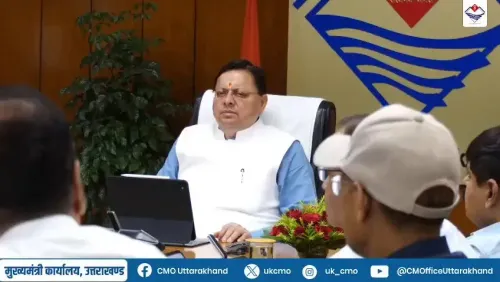
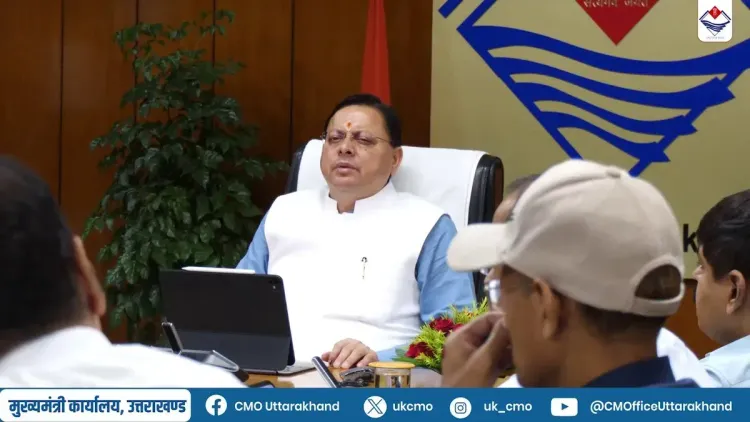
The Chief Minister's Office of Uttarakhand announced on September 24, 2026 that road repairs in Pauri Garhwal are underway on CM Pushkar Singh Dhami's direct orders.
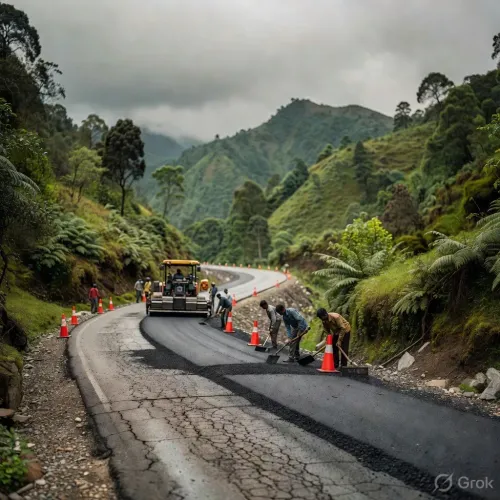
Repairs are being conducted at 'war footing' ( yudhstar par ), signalling round-the-clock operational urgency.
Pauri Garhwal's steep Himalayan terrain makes it one of Uttarakhand's most landslide-prone districts, with roads damaged by erosion every monsoon season.
Annual post-monsoon road-restoration drives have been a feature of Uttarakhand administration since the state's formation in 2000 .
Specific damage scale, repair timelines, and budget allocations for this season have not yet been publicly disclosed.
Hill district residents and local transport operators are the primary stakeholders watching for completion timelines.
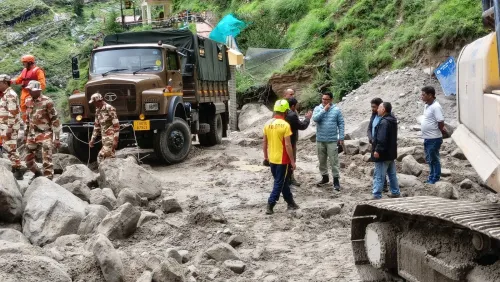
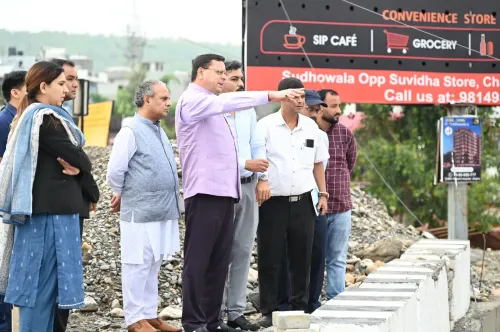
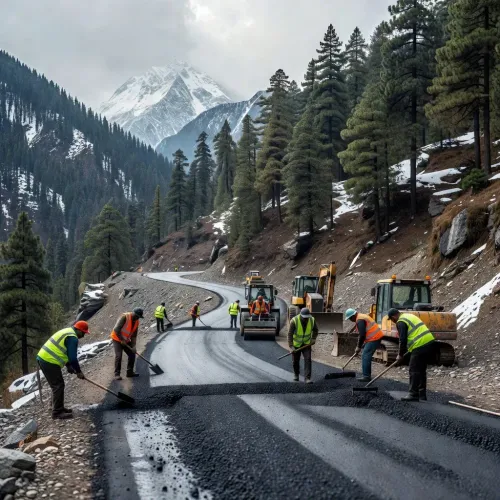
Every monsoon, the steep Himalayan slopes of Pauri Garhwal wage a quiet war on the roads that keep remote communities connected — and this year, the state is fighting back at speed. On Thursday, September 24, 2026, the Chief Minister's Office of Uttarakhand announced that war-footing repairs to monsoon-damaged roads across Pauri Garhwal are underway on the direct orders of Chief Minister Pushkar Singh Dhami.
The CMO's post, shared in Hindi, stated: 'yudhstar par kiya ja raha hai' — repairs are being carried out 'at a war footing', a phrase that signals urgency and round-the-clock mobilisation of resources. The directive targets roads damaged during the ongoing monsoon season in the hilly Garhwal region of the state.
Why Pauri Garhwal's roads break every year
Pauri Garhwal sits in the heart of Uttarakhand's rugged Garhwal ranges, where landslides and soil erosion are not exceptional events — they are annual certainties. The district's steep gradients mean that even moderate rainfall can trigger slope failures that slice through road surfaces, cut off villages, and strand transport operators for days or weeks at a stretch.
Since Uttarakhand's formation as a separate state in 2000, successive governments have mounted post-monsoon road-restoration drives every year. The challenge is structural: Himalayan terrain is inherently fragile, and standard repair cycles have rarely kept pace with monsoon damage cycles. This year's directive from CM Dhami represents a continuation of that administrative pattern, but the 'war-footing' framing signals the administration's intent to compress timelines.
What 'war-footing' mobilisation means on the ground
The phrase carries specific operational weight in India's state administration lexicon — it typically implies round-the-clock contractor shifts, priority allocation of machinery and materials, and direct monitoring by district-level officers rather than routine departmental workflows. For the residents and transport operators of Pauri Garhwal, the practical stakes are high: blocked roads mean delayed medical access, disrupted school runs, and stranded agricultural produce in areas where alternative routes are scarce.
Chief Minister Dhami, who has held the office since 2021, has consistently positioned infrastructure resilience and disaster response as central priorities of his administration. Road connectivity in hill districts feeds directly into the broader goal of retaining and attracting residents in a state that has long grappled with rural out-migration.
Timelines and funds: the open questions
The specific scale of this season's damage in Pauri Garhwal and any supplementary budget allocations earmarked for the repairs have not been officially disclosed. What districts and their residents will watch for next is a repair completion timeline — and whether the speed promised by the 'war-footing' directive translates into roads that can hold through the tail end of the monsoon season.
In a state where every delayed repair is a community cut off from the rest of the world, the speed of execution will matter far more than the announcement itself.
Point of View
Post-monsoon connectivity is not merely an infrastructure issue but a governance litmus test, directly tied to public trust in remote hill communities. For a Chief Minister who has built his identity around responsive administration, the speed and visibility of this repair push feeds into a broader narrative of state capacity in disaster-prone terrain. The deeper structural challenge, however, remains unresolved: reactive repair cycles cannot substitute for slope-stabilisation and road-engineering upgrades that reduce annual damage in the first place. Whether this season's 'war-footing' mobilisation produces lasting improvements or simply repeats the pattern of the past two decades will determine how much political capital the directive ultimately generates.
NationPress
24 Sept 2026
Frequently Asked Questions
Why are roads in Pauri Garhwal damaged every monsoon?
Pauri Garhwal's steep Himalayan terrain is highly prone to landslides and soil erosion triggered by heavy monsoon rainfall, which regularly damages road surfaces and cuts off remote communities.
What does 'war-footing repair' mean in this context?
'War-footing' repair typically means round-the-clock contractor shifts, priority deployment of heavy machinery, and direct monitoring by senior district officials, compressing normal repair timelines significantly.
Who ordered the road repairs in Pauri Garhwal?
Chief Minister Pushkar Singh Dhami of Uttarakhand issued the directive, as announced by the Chief Minister's Office on September 24, 2026.
Which areas are affected by monsoon road damage in Uttarakhand?
While the current directive specifically targets Pauri Garhwal, monsoon-induced road damage is a recurring problem across Uttarakhand's Himalayan districts due to the state's mountainous topography.
When was Uttarakhand formed as a separate state?
Uttarakhand was carved out as a separate state in the year 2000, and annual post-monsoon road restoration drives have been a feature of its administration since then.