CM Dhami oversees rescue of 40 trekkers from high Himalayas
Synopsis
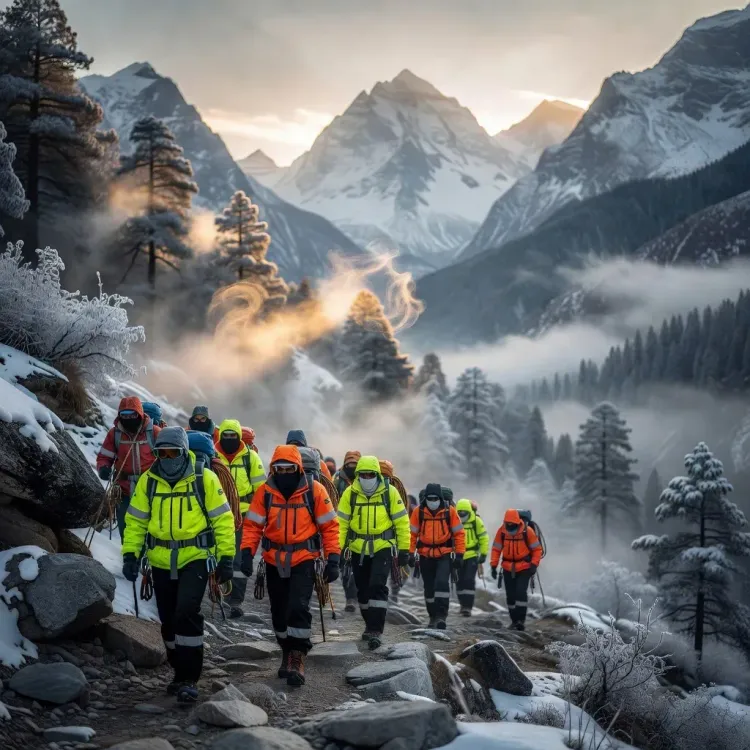
Uttarakhand CM Pushkar Singh Dhami personally tracked the rescue of 40 trekkers stranded in high Himalayan terrain, with the operation ending successfully on 29 September 2026, the Chief Minister's Office confirmed.
Key Takeaways
40 trekkers were successfully rescued from high Himalayan regions of Uttarakhand.
Chief Minister Pushkar Singh Dhami personally received regular updates throughout the rescue operation.
The Chief Minister's Office of Uttarakhand announced the rescue's success on 29 September 2026 .
Uttarakhand's rescue architecture draws on coordination between the SDRF, ITBP and district administrations, a framework strengthened after the 2013 Kedarnath floods .
The state balances aggressive promotion of adventure tourism with recurring high-altitude rescue obligations.
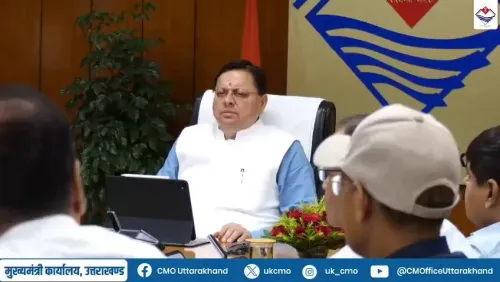
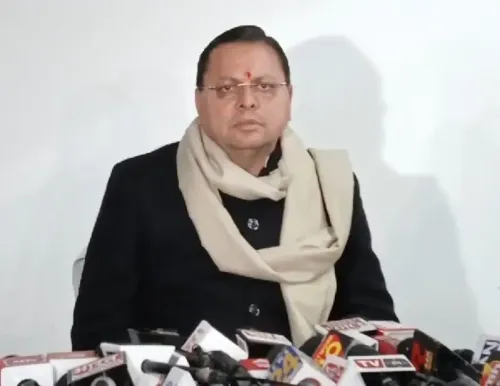
Forty trekkers stranded in the upper reaches of the Himalayas were brought to safety after a successful rescue operation — and Uttarakhand Chief Minister Pushkar Singh Dhami monitored every step of it in real time. The Chief Minister's Office of Uttarakhand announced the operation's success on Tuesday, 29 September 2026, confirming that CM Dhami had been receiving regular updates throughout the mission.
The CMO post, in Hindi, read: 'Uchch Himalayee kshetron mein 40 trekkers ka safal rescue, Mukhyamantri Shri Pushkar Singh Dhami lete rahe regular update' — ('Successful rescue of 40 trekkers in high Himalayan regions; Chief Minister Shri Pushkar Singh Dhami continued to receive regular updates.')Why high-altitude rescues demand round-the-clock command
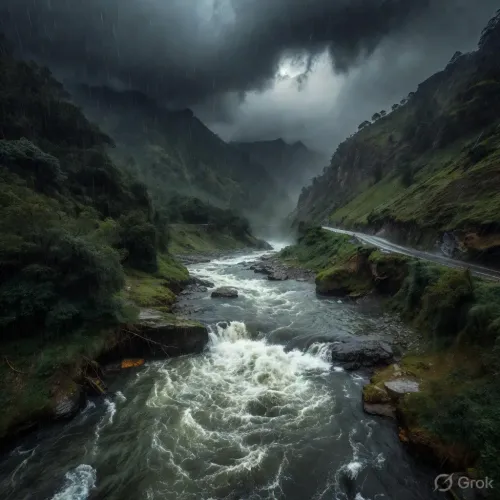
Uttarakhand's high Himalayan terrain is as unforgiving as it is spectacular. Sudden weather shifts — flash floods, dense fog, avalanches — can trap trekking groups in valleys and passes where road access is impossible and communication is fragile. The state has long operated a layered rescue architecture: State Disaster Response Force (SDRF), the Indo-Tibetan Border Police (ITBP), and district administrations working in coordination, a framework built and expanded after the catastrophic 2013 Kedarnath floods.
That inter-agency grid is precisely what a chief minister monitors when 40 lives hang in the balance at altitude. Direct executive oversight compresses response windows — no waiting for clearances to cascade down a chain of command when the CM is watching the feed himself.
Adventure tourism's double-edged ledger
Uttarakhand actively courts adventure tourists, and trekking in the high Himalayas is a centrepiece of that pitch. The footfall is enormous; so are the risks. The state's promotion of its Himalayan trails and its obligation to protect visitors who use them sit in permanent tension — and every rescue operation is, in effect, both a humanitarian act and a governance statement.
By publicising CM Dhami's personal oversight, the administration signals that no trekking emergency is treated as a routine file note. It is a message aimed as much at future trekkers — and their families — as it is a record of what happened on 29 September.
With all 40 trekkers safe, the immediate crisis is resolved. Whether it accelerates conversations about stronger weather-alert systems, trekking-route regulations, or real-time tourist tracking in high-altitude zones is the question Dehradun will need to answer before the next season begins.
Point of View
Visible executive oversight is both operational and reputational currency. Uttarakhand's adventure-tourism economy depends on visitor confidence, which successful, well-publicised rescues help sustain. The episode also underlines a broader pattern: as trekking footfall grows, the infrastructure for real-time tracking, weather alerts and regulated access has not kept pace, leaving rescue operations as the primary safety net. Expect pressure to mount on the administration to move upstream — from rescuing trekkers to preventing the conditions that strand them.
NationPress
29 Sept 2026
Frequently Asked Questions
How many trekkers were rescued in Uttarakhand on 29 September 2026?
40 trekkers were successfully rescued from high Himalayan regions in Uttarakhand, as confirmed by the Chief Minister's Office on 29 September 2026.
Was CM Pushkar Singh Dhami involved in the Uttarakhand trekker rescue?
Yes. Chief Minister Pushkar Singh Dhami personally monitored the operation and received regular updates until all 40 trekkers were brought to safety.
Which agencies carry out high-altitude rescues in Uttarakhand?
Rescues in Uttarakhand's Himalayan zones are typically conducted by the State Disaster Response Force (SDRF) and the Indo-Tibetan Border Police (ITBP) , in coordination with district administrations — a framework strengthened after the 2013 Kedarnath floods.
Is trekking in Uttarakhand's high Himalayan areas safe?
Trekking in high Himalayan areas carries real risk from sudden weather changes including flash floods, fog and avalanches. The state has active rescue infrastructure, but experts recommend registering with local authorities and monitoring official weather advisories before any high-altitude trek.
What rules govern trekking safety in Uttarakhand?
Uttarakhand has regulations requiring trekkers to register with local administrations on certain routes; broader mandatory tracking or weather-alert systems for all high-altitude zones remain an area of ongoing discussion following recurring rescue incidents.