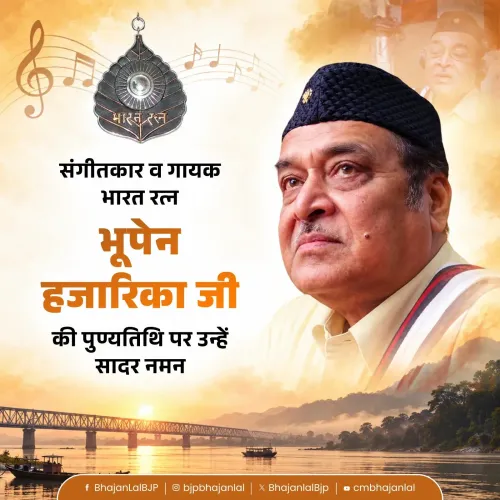
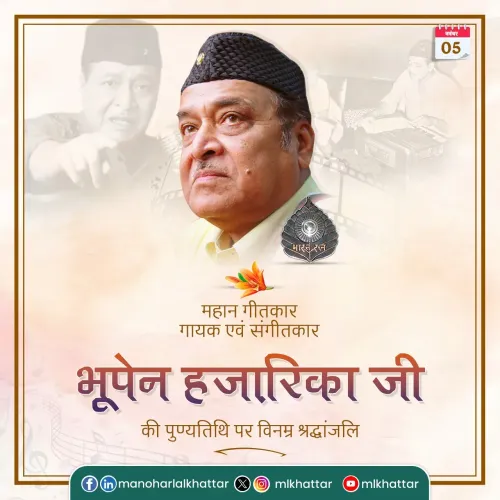
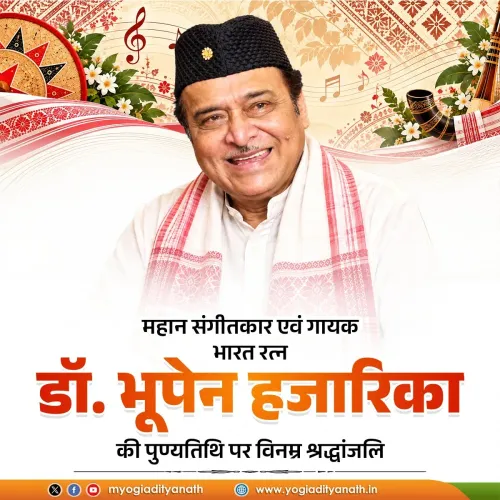
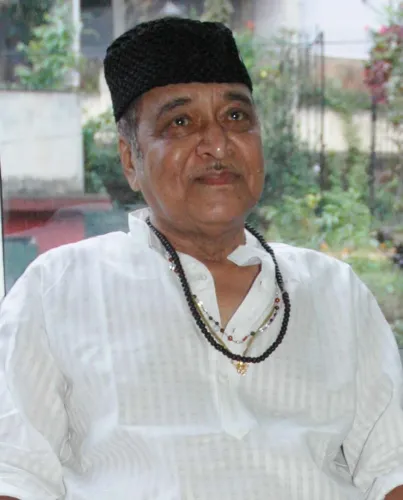
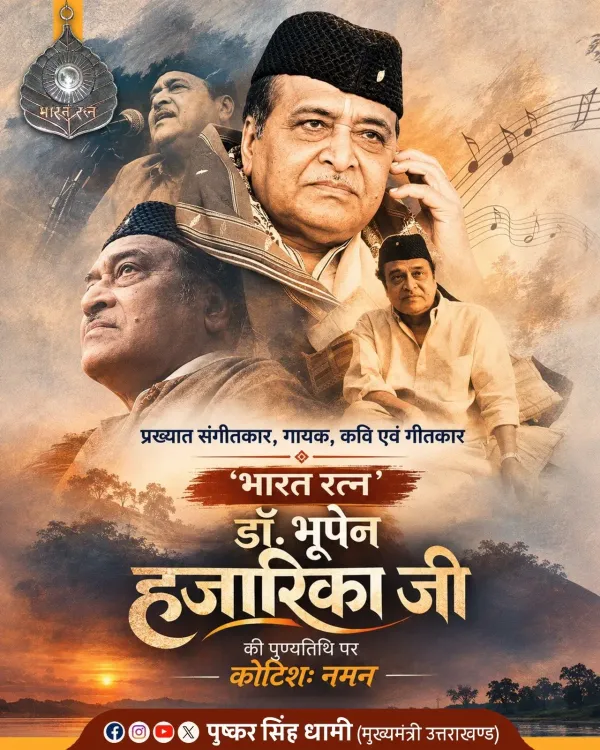
CM Dhami pays tribute to Bharat Ratna Dr. Bhupen Hazarika
Synopsis
Uttarakhand CM Pushkar Singh Dhami marked the death anniversary of Bharat Ratna Dr. Bhupen Hazarika on November 5, 2026, calling the legendary Assamese singer-composer a matchless talent whose timeless songs continue to inspire national unity and preserve India's folk heritage.
Key Takeaways
Uttarakhand CM Pushkar Singh Dhami paid tribute to Dr.
Bhupen Hazarika on his death anniversary on November 5, 2026 .
Dhami described Hazarika as a singer, composer, lyricist, poet, and filmmaker who gave Indian folk traditions global recognition.
Bhupen Hazarika was posthumously awarded the Bharat Ratna in 2019 for his contributions to music and culture.
Hazarika's work spanned Assamese, Hindi, and Bengali, drawing on the imagery of the Brahmaputra and the lives of ordinary people.
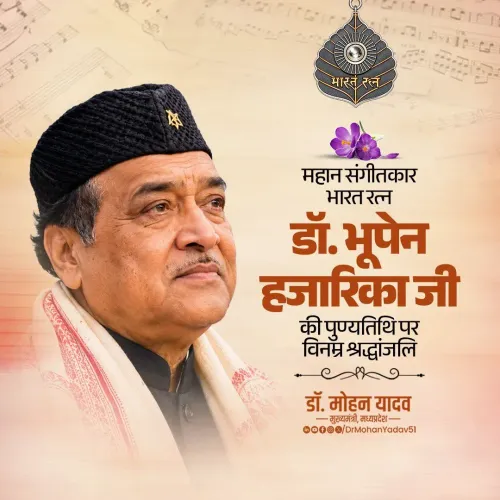
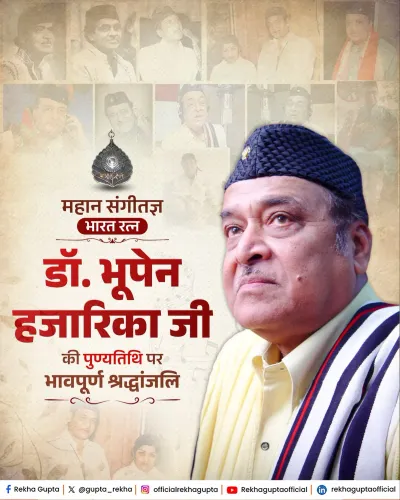
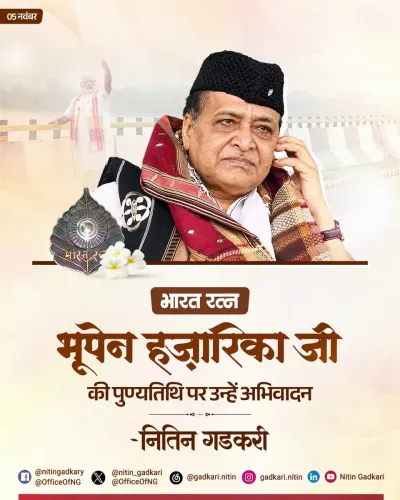
Annual tributes from political leaders across India reflect the cross-regional resonance of Hazarika's legacy.
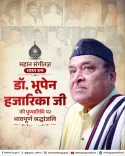
A voice that turned Assam's riverbanks into a global stage fell silent fifteen years ago — and on his death anniversary, Uttarakhand Chief Minister Pushkar Singh Dhami paused on Thursday, November 5, 2026, to honour the man who gave that voice to India: 'Bharat Ratna' Dr. Bhupen Hazarika.
CM Dhami's tribute, posted in Hindi, remembered Hazarika as an 'adwitiya pratibha' — a matchless talent — who elevated Indian cinema and the arts to new heights as a singer, composer, lyricist, poet, and filmmaker. 'Your voice brought cultural heritage, the sensibilities of common people, and the message of humanity to vivid life,' Dhami wrote, adding that Hazarika's timeless compositions continue to inspire the spirit of social harmony and unity.
The man who made folk music a national language
Dr. Bhupen Hazarika was born in Assam and spent decades weaving the state's folk traditions into a tapestry that the entire country could feel. His songs — soaked in the imagery of the Brahmaputra, the struggles of ordinary people, and an aching humanism — crossed every linguistic boundary India puts up. He composed, sang, and directed in Assamese, Hindi, and Bengali, making him one of the rare artists who belonged to a region yet resonated with a nation.
Bharat Ratna conferred posthumously in 2019
Hazarika passed away in 2011, but his formal recognition at the highest level of Indian civilian honour came eight years later. The Government of India posthumously awarded him the Bharat Ratna in 2019, acknowledging a career that had reshaped how India understood its own musical heritage. The honour placed him alongside figures whose work had permanently altered the country's cultural landscape.
A pattern of pan-India remembrance
That a Uttarakhand chief minister — not an Assamese politician — is among those marking Hazarika's death anniversary speaks to something the composer himself would have appreciated: the idea that great regional art is, inevitably, national art. Indian political leaders across party lines and state borders have made annual tributes to Hazarika a quiet tradition, each noting the same thread — folk music as a vehicle for unity in a diverse republic.
Hazarika's compositions do not age. They ask the same questions about the human condition that they asked when he first sang them, and they will keep asking long after the anniversaries stop being counted.
Point of View
Honouring Hazarika also carries a specific resonance: the Bharat Ratna was awarded under the Modi government in 2019, linking the party to one of independent India's most beloved cultural figures. What makes Hazarika worth revisiting each year is not ceremony but substance — his music genuinely did what politicians claim it did: crossed caste, language, and geography to speak to a common humanity.
NationPress
5 Nov 2026
Frequently Asked Questions
When did Bhupen Hazarika die?
Dr. Bhupen Hazarika passed away in 2011 . His death anniversary is observed on November 5 each year.
Why was Bhupen Hazarika given the Bharat Ratna?
Dr. Bhupen Hazarika was posthumously awarded the Bharat Ratna in 2019 in recognition of his extraordinary contributions to Indian music, cinema, and culture as a singer, composer, lyricist, and filmmaker who gave Assamese folk traditions a national and global stage.
What is Bhupen Hazarika known for?
Dr. Bhupen Hazarika is celebrated for blending Assamese folk music with broader Indian and humanist themes across decades of work in Assamese, Hindi, and Bengali. His songs, often evoking the Brahmaputra and the struggles of ordinary people, became timeless touchstones of Indian cultural identity.
Why did Uttarakhand CM Dhami pay tribute to an Assamese artist?
Bhupen Hazarika's legacy transcended regional boundaries, and Indian political leaders across states routinely honour prominent cultural figures on their death anniversaries. Dhami's tribute reflects the national status Hazarika attained through his music and his Bharat Ratna recognition.
What did CM Dhami say about Bhupen Hazarika?
CM Dhami called Hazarika a matchless talent who elevated Indian cinema and the arts, saying his voice 'brought cultural heritage, the sensibilities of common people, and the message of humanity to vivid life' and that his compositions continue to inspire social harmony and unity.