CM Dhami Pushes Master Plan for Maa Varahi Temple, Devidhura
Synopsis
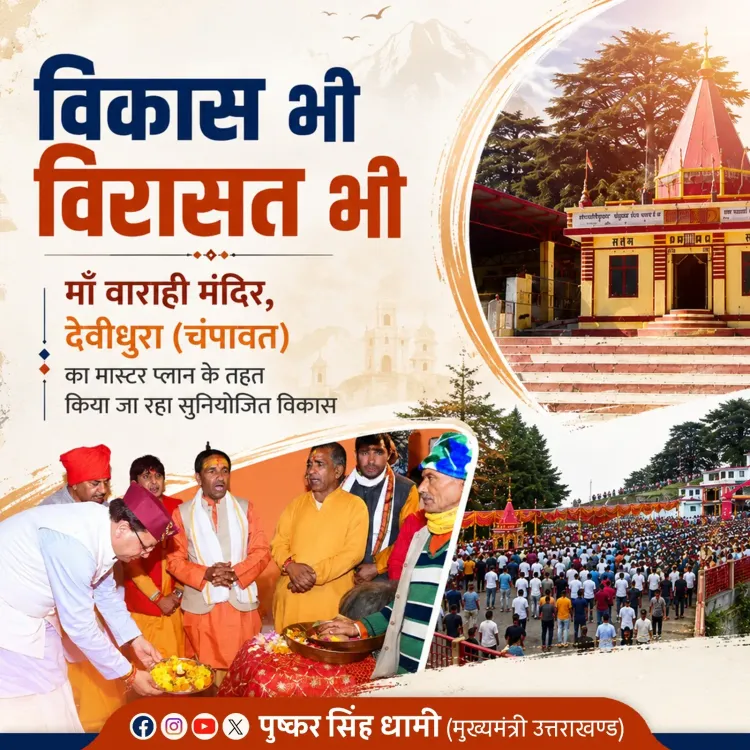
Uttarakhand CM Pushkar Singh Dhami has announced a master-plan-driven development of the Maa Varahi Temple in Devidhura, Champawat, extending the state's temple infrastructure model to the Kumaon region and pledging better pilgrim facilities at a key shrine.
Key Takeaways
CM Pushkar Singh Dhami announced on 20 July 2026 that Maa Varahi Temple, Devidhura is being developed under a structured master plan.
The temple is located in Champawat district , Uttarakhand, in the Kumaon region and is a significant annual pilgrimage site.
The government's stated goals include heritage conservation, cultural preservation, and improved facilities for pilgrims visiting Devbhoomi .
The master-plan model extends a policy approach already applied at Kedarnath and Badrinath since 2017 .
Exact funding, scope, and timeline for the Devidhura project have not yet been officially disclosed.
Residents of Champawat and the broader Kumaon tourism sector are expected to be primary beneficiaries.
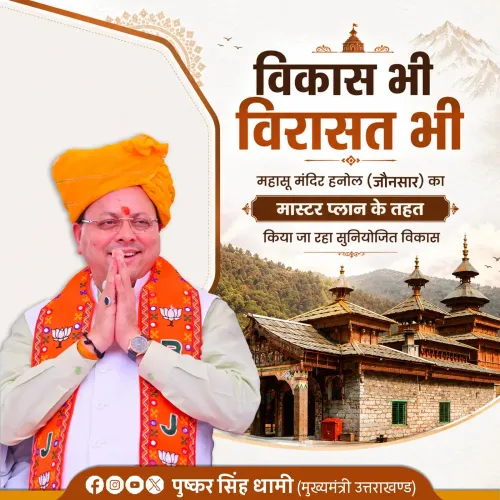
Uttarakhand Chief Minister Pushkar Singh Dhami on Monday, 20 July 2026 announced that the Maa Varahi Temple in Devidhura, Champawat district, is being developed under a structured master plan, reaffirming his government's commitment to preserving and promoting the state's religious and cultural heritage.
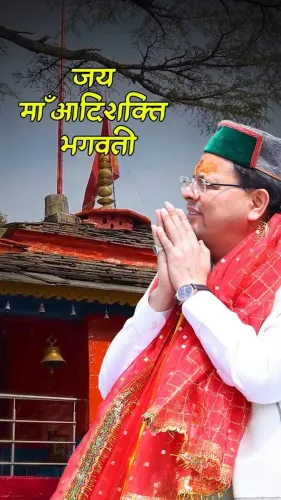
In a post on X, CM Dhami stated: 'Mandir hamaari aastha, sanskaar aur pehchaan ke prateek hain' ('Temples are symbols of our faith, values, and identity'). He added that the Uttarakhand government is continuously working to conserve Devbhoomi's rich religious and cultural heritage while developing better facilities for pilgrims.
Context
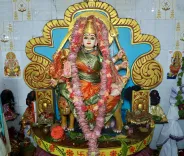
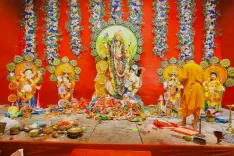
The Maa Varahi Temple in Devidhura is one of the most significant pilgrimage sites in Uttarakhand's Kumaon region. The shrine, dedicated to Goddess Varahi, draws thousands of devotees annually and is especially known for the traditional Bagwal fair, a centuries-old cultural and religious event unique to the area. Devidhura falls within Champawat district, a hill district in the eastern reaches of the state.
CM Dhami's announcement signals that a formal master plan — a comprehensive, phased development blueprint — is now guiding infrastructure and heritage work at this site, bringing it in line with similar initiatives undertaken at larger shrines in the state.
Policy Backdrop
Since 2017, the Uttarakhand BJP government has pursued temple master plans and infrastructure upgrades at prominent shrines including Kedarnath and Badrinath, framing such projects as both cultural preservation and religious tourism development. The approach positions Uttarakhand — long described as Devbhoomi ('Land of the Gods') — as a premier pilgrimage destination in India.
The extension of this master-plan model to Devidhura and the Kumaon region suggests the government is broadening its temple development agenda beyond the well-known Char Dham circuit to include smaller but culturally important shrines. Uttarakhand governments across party lines have historically linked temple infrastructure to both identity politics and economic growth through religious tourism.
Stakeholders and Impact
The primary beneficiaries of the Maa Varahi Temple master plan are the pilgrims who visit Devidhura throughout the year, as well as residents of Champawat district who depend on religious tourism for local livelihoods. Improved pilgrim facilities — such as better access roads, sanitation, rest areas, and heritage interpretation infrastructure — typically translate into longer visitor stays and higher local economic activity.
The Uttarakhand tourism sector stands to benefit as the state diversifies its pilgrimage offerings beyond the Garhwal region. For Kumaon, which has historically received less state investment in religious tourism infrastructure compared to Garhwal, the announcement carries particular significance for local communities and stakeholders.
What's Next
The specific scope, funding allocation, and timeline for the Maa Varahi Temple master plan are yet to be formally detailed in public documents. Observers will watch for rollout milestones — including tendering, construction phases, and facility inaugurations — as well as whether the project receives a dedicated mention in the next Uttarakhand state budget or tourism policy update.
If the Devidhura project follows the pattern set by Kedarnath and Badrinath, it could serve as a template for similar master-plan interventions at other culturally significant but infrastructurally underserved shrines across the Kumaon hills, reshaping the region's religious tourism landscape over the coming years.
Point of View
The government signals an intent to balance regional development optics ahead of future electoral cycles. The framing of temples as symbols of 'faith, values, and identity' also aligns with the national BJP narrative on cultural heritage, making this a policy move with both administrative and political resonance. Whether the project delivers on the ground will depend on the pace of implementation and budget allocation, which remain to be disclosed.
NationPress
19 Oct 2026
Frequently Asked Questions
What is the Maa Varahi Temple master plan in Uttarakhand?
The Maa Varahi Temple master plan is a structured government development blueprint for the historic shrine in Devidhura, Champawat district, aimed at upgrading pilgrim facilities and conserving the site's religious and cultural heritage, as announced by CM Pushkar Singh Dhami on 20 July 2026.
Where is Maa Varahi Temple located?
Maa Varahi Temple is located in Devidhura village, Champawat district, in the Kumaon region of Uttarakhand. It is one of the most significant pilgrimage sites in the area and is known for the annual Bagwal fair.
What has CM Dhami said about temple development in Uttarakhand?
CM Pushkar Singh Dhami has stated that temples are symbols of faith, values, and identity, and that his government is continuously working to preserve Devbhoomi's religious and cultural heritage while improving facilities for pilgrims across the state.
How does the Devidhura temple project compare to Kedarnath and Badrinath development?
The Devidhura master plan follows a similar approach to the temple infrastructure upgrades carried out at Kedarnath and Badrinath since 2017, extending the model to a Kumaon shrine that has historically received less state investment in pilgrim infrastructure.
What is Devbhoomi and why is it significant in Uttarakhand politics?
Devbhoomi, meaning 'Land of the Gods,' is the term used to describe Uttarakhand's identity as a state rich in Hindu religious sites. It is a central theme in the state's cultural tourism policy and is frequently invoked by the BJP government to frame heritage conservation and temple development initiatives.