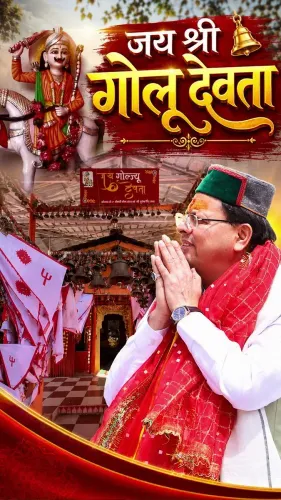
CM Dhami Highlights Gopinath Temple in Chamoli
Synopsis
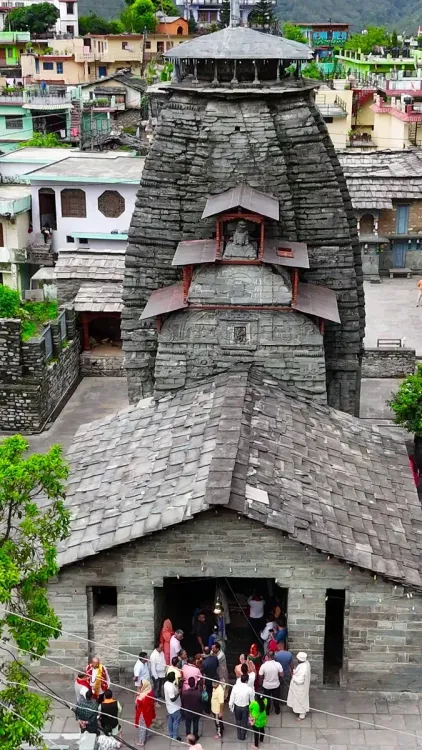
Uttarakhand Chief Minister Pushkar Singh Dhami spotlighted the ancient Shri Gopinath Temple in Gopeshwar, Chamoli on 22 June 2026, calling it a divine centre of Lord Shiva's glory and urging visitors to the district to seek its blessings — part of a sustained state push to diversify religious tourism across the Himalayan region.
Key Takeaways
CM Pushkar Singh Dhami posted on 22 June 2026 promoting Shri Gopinath Temple in Gopeshwar, Chamoli district .
The temple is an ancient shrine dedicated to Lord Shiva , set amid the scenic Himalayan valleys of Uttarakhand .
Chamoli district is part of Devbhoomi , a state-promoted religious tourism brand established since Uttarakhand's statehood in 2000 .
The post is consistent with a state strategy to spotlight lesser-known temples beyond major sites like Kedarnath and Badrinath .
Local pilgrims, tourism operators and the hospitality sector in Chamoli are the primary beneficiaries of such official promotion.
Observers will watch for follow-up announcements on temple circuits or infrastructure in Chamoli district .
Uttarakhand Chief Minister Pushkar Singh Dhami on Monday, 22 June 2026, took to X to spotlight Shri Gopinath Temple in Gopeshwar, Chamoli district, describing it as a remarkable centre of Lord Shiva's eternal glory and devotion nestled amid the scenic Himalayan valleys.
In his post, CM Dhami wrote in Hindi: 'गोपेश्वर, चमोली में स्थित श्री गोपीनाथ मंदिर भगवान शिव की अनंत महिमा और आस्था का अद्भुत केंद्र है' ['Shri Gopinath Temple, located in Gopeshwar, Chamoli, is a remarkable centre of Lord Shiva's eternal glory and faith']. He invited visitors to the district to make a point of visiting this sacred site, calling it a place that offers spiritual peace and a divine experience.
Context
Shri Gopinath Temple is an ancient Shiva temple situated in Gopeshwar, the headquarters of Chamoli district in Uttarakhand. Set against the backdrop of the Himalayas, the temple is considered one of the region's important religious landmarks, drawing pilgrims seeking devotion and spiritual solace. The town of Gopeshwar itself sits at an elevation that affords sweeping views of the surrounding mountain landscape.
Chamoli district is home to several celebrated Himalayan religious sites and forms part of the broader spiritual geography of Devbhoomi — a name meaning 'Land of the Gods' that successive Uttarakhand governments have used to brand the state's religious identity since statehood was granted in 2000.
Policy Backdrop
Since Uttarakhand's formation, state governments have consistently pursued a strategy of positioning the region as a premier destination for religious tourism, anchored around well-known shrines such as Kedarnath and Badrinath. Chief Minister Dhami, who has held office since 2021, has continued and expanded this approach, using social media to spotlight lesser-known temples alongside the major pilgrimage sites.
Posts of this nature form part of a sustained official effort to diversify religious tourism across the state, distribute economic benefits to smaller towns and villages, generate local employment for tourism operators and guides, and reinforce cultural identity in Himalayan communities. Highlighting Gopinath Temple in Gopeshwar fits squarely within this pattern, drawing attention to a site outside the most heavily visited circuits.
Stakeholders and Impact
Pilgrims, local priests, and small-scale tourism operators in Chamoli district stand to benefit most directly from any increase in footfall that follows official promotion of the temple. The district's hospitality sector — including homestays, roadside eateries, and transport providers — typically sees a direct uptick when state authorities draw public attention to specific sites.
For the broader pilgrim community across India, the post serves as an official endorsement and travel nudge, particularly for devotees planning visits to the Char Dham corridor who may not have previously included Gopeshwar on their itinerary.
What's Next
Observers will watch for follow-up announcements from the Uttarakhand state tourism department regarding new temple circuits, improved road connectivity, or infrastructure upgrades in Chamoli district that could accompany this renewed official attention. Such social media spotlighting by the Chief Minister has in the past preceded or accompanied concrete tourism development measures in targeted areas.
As the summer pilgrimage season progresses, CM Dhami's continued promotion of Himalayan heritage sites signals that religious and cultural tourism will remain a central pillar of the state's development and identity narrative in the months ahead.
Point of View
Extending the state's Devbhoomi brand beyond its marquee pilgrimage sites. By directing public attention to Gopeshwar, the CM signals intent to spread pilgrim traffic — and its economic dividend — more evenly across Chamoli district. The timing, during the active summer pilgrimage season, amplifies the likely impact on footfall. Over the longer arc, this pattern of official endorsement for smaller shrines reflects a deliberate political economy of religious tourism that successive Uttarakhand governments have refined since 2000.
NationPress
20 Sept 2026
Frequently Asked Questions
Where is Shri Gopinath Temple located?
Shri Gopinath Temple is located in Gopeshwar town, which is the district headquarters of Chamoli district in Uttarakhand, set amid the Himalayan valleys.
Why did CM Dhami post about Gopinath Temple?
CM Pushkar Singh Dhami shared a post on 22 June 2026 to promote the ancient Shiva temple and invite visitors to Chamoli district to seek its blessings, as part of the state's ongoing religious tourism promotion.
What is Devbhoomi and how does it relate to Uttarakhand temples?
Devbhoomi, meaning 'Land of the Gods', is a branding identity that successive Uttarakhand governments have used since the state's formation in 2000 to promote its many ancient temples and religious sites for tourism.
What other major temples are near Chamoli district?
Chamoli district is part of the broader Char Dham pilgrimage corridor in Uttarakhand, which includes the famous shrines of Kedarnath and Badrinath, making it a significant zone for Hindu religious tourism.
How does official social media promotion help local tourism in Chamoli?
When senior officials like the Chief Minister spotlight specific temples, it typically encourages pilgrims to include those sites in their itineraries, benefiting local homestays, eateries, transport providers and temple-related livelihoods in the area.