CM Dhami Promotes Golu Devta Temple in Champawat
Synopsis
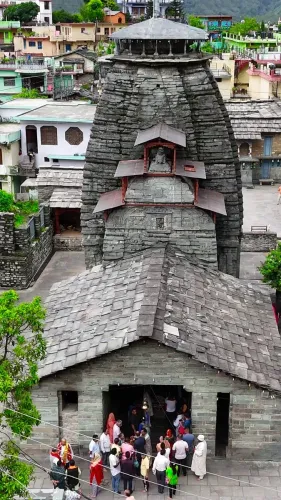
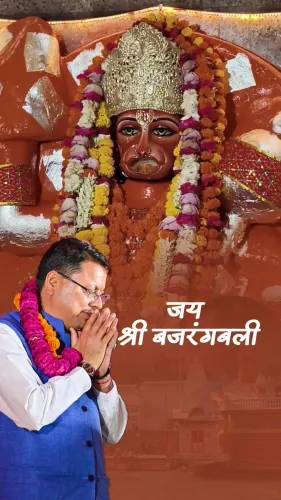
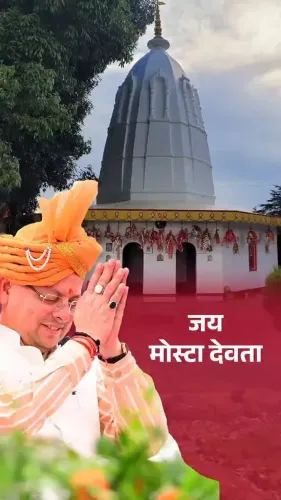
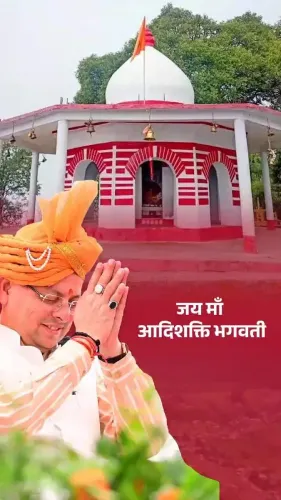
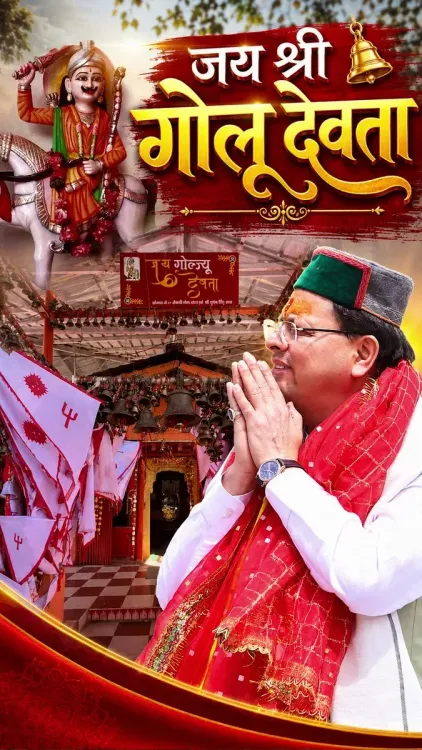
Uttarakhand CM Pushkar Singh Dhami on 23 July 2026 promoted the Shri Golu Devta Temple in Champawat, calling it a major centre of faith and inviting devotees to visit the shrine dedicated to the Kumaoni god of justice.
Key Takeaways
CM Pushkar Singh Dhami posted on X on 23 July 2026 during a visit to Champawat district.
He promoted Shri Golu Devta Temple in Champawat as a foremost centre of faith for pilgrims across the region.
Golu Devta is revered as the god of justice in the Kumaon region, with a unique tradition of devotees offering bells and written petitions.
The Champawat temple is considered the original and most sacred among Golu Devta shrines in Kumaon.
The promotion aligns with the Dhami government's broader policy of integrating cultural heritage with tourism and economic development in Uttarakhand .
Uttarakhand Chief Minister Pushkar Singh Dhami on Thursday, 23 July 2026, took to X to invite devotees and visitors to the Shri Golu Devta Temple in Champawat district, calling it a foremost centre of faith and devotion for countless pilgrims across the region.
In his post, the Chief Minister wrote: 'जनपद चंपावत स्थित श्री गोलू देवता मंदिर अनेक श्रद्धालुओं की आस्था और श्रद्धा का प्रमुख केंद्र है।' ('The Shri Golu Devta Temple located in Champawat district is a major centre of faith and devotion for many devotees.') He added that devotees come to the court of Golu Devta — revered as the god of justice — carrying their wishes and prayers, and urged visitors to make it a point to visit the temple during any trip to Champawat.
Context
Golu Devta is one of the most widely venerated folk deities of the Kumaon region in Uttarakhand. Worshipped as a deity of justice, the tradition at his temples involves devotees writing petitions — sometimes on stamp paper — and tying bells as offerings, a practice that has drawn pilgrims and curious visitors alike for generations. The Shri Golu Devta Temple in Champawat is considered the original and most sacred among the cluster of Golu Devta shrines spread across Kumaon.
Champawat, the district headquarters nestled in the Kumaon hills, holds deep historical and religious significance. The town was once the capital of the Chand dynasty and is home to several ancient temples and forts, making it a natural hub for heritage and pilgrimage tourism in the state.
Policy Backdrop
Successive governments in Uttarakhand — often described as Devbhoomi ('Land of the Gods') — have made the promotion of both major pilgrimage circuits and regional folk-deity shrines a consistent policy priority. The Dhami government has continued this tradition, weaving cultural heritage promotion into its broader economic and tourism development agenda for the hill state.
State-led outreach around folk deities such as Golu Devta serves a dual purpose: it reinforces cultural identity among the local Kumaoni community and simultaneously positions lesser-known pilgrimage sites as viable tourism destinations, helping distribute footfall beyond the crowded Char Dham circuit.
Stakeholders and Impact
The most immediate beneficiaries of heightened attention to the Golu Devta Temple are Champawat's local economy — including hoteliers, priests, and small traders — and the broader pilgrimage community drawn from across Kumaon and beyond. Increased visitor interest can translate into demand for better road connectivity, accommodation, and civic infrastructure in the district.
For the state's tourism sector, promotion by the Chief Minister on a high-reach social media platform amplifies the temple's visibility to audiences who may not have previously considered Champawat as a pilgrimage or heritage destination.
What's Next
Chief Minister Dhami's post was made during what appears to be a visit to Champawat, raising the possibility of further announcements related to temple infrastructure, road connectivity, or local development projects in the district. Observers will watch for follow-up statements on any concrete investment or upgrades planned for the site. Broader CM-led tours of Kumaon's religious sites in the coming months could form part of a sustained cultural-tourism push ahead of the next pilgrimage season.
Point of View
The CM signals an intent to broaden the pilgrimage map and extend economic benefits to less-visited hill districts. This also carries political resonance in Kumaon, where local cultural pride around folk deities like Golu Devta runs deep. The move reflects a pattern among BJP-led state governments of using social media to blend governance signalling with cultural outreach.
NationPress
21 Oct 2026
Frequently Asked Questions
Where is the Golu Devta Temple located?
The Shri Golu Devta Temple is located in Champawat district in the Kumaon region of Uttarakhand, and is considered the original and most sacred among the Golu Devta shrines in the area.
Why did CM Dhami visit Champawat?
CM Pushkar Singh Dhami visited Champawat on 23 July 2026 and used the occasion to promote the Shri Golu Devta Temple, inviting pilgrims and tourists to visit the shrine during any trip to the district.
What is the significance of Champawat in Uttarakhand?
Champawat is a district headquarters in the Kumaon hills with deep historical and religious significance. It was once the capital of the Chand dynasty and is home to several ancient temples and forts.
How does Uttarakhand promote religious tourism?
Uttarakhand promotes religious tourism by highlighting both major pilgrimage circuits such as Char Dham and regional folk-deity shrines like Golu Devta Temple, integrating cultural heritage with economic development goals for the hill state.