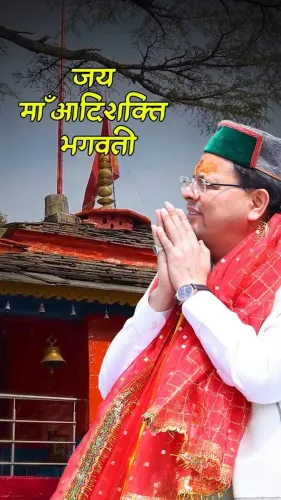
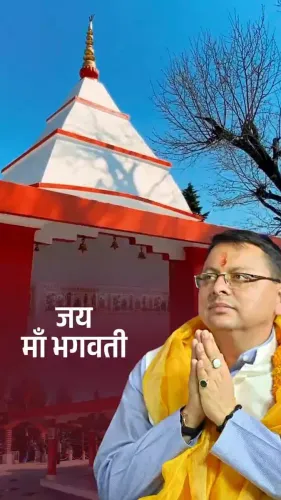
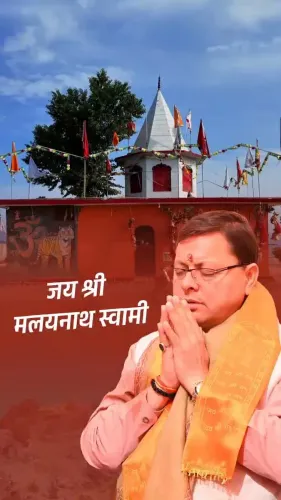
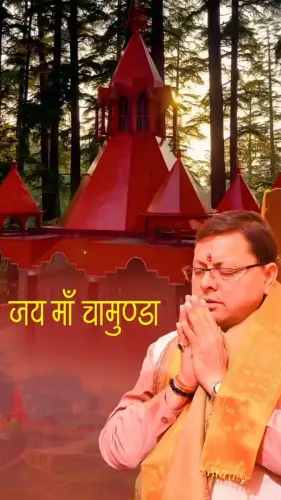
CM Dhami Spotlights Mostmanu Temple in Pithoragarh
Synopsis
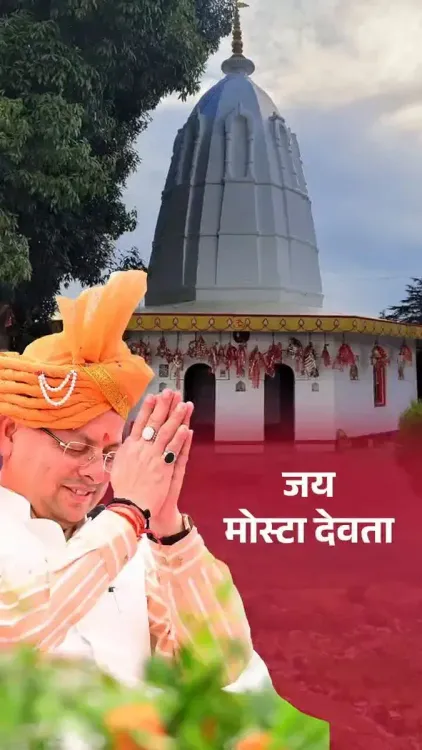
Uttarakhand Chief Minister Pushkar Singh Dhami on June 5, 2026 spotlighted the Mostmanu Temple in Pithoragarh, dedicated to folk deity Mosta, urging all visitors to the district to seek the deity's blessings. The post fits a wider state push to expand religious tourism beyond the Char Dham circuit into Kumaon's remote hill shrines.
Key Takeaways
Uttarakhand CM Pushkar Singh Dhami posted about the Mostmanu Temple in Pithoragarh on June 5, 2026 .
The temple is dedicated to Mosta Devata , a folk deity venerated as the protector and granter of prosperity in the Kumaon region.
Pithoragarh district borders both Nepal and China and is home to distinct Himalayan folk traditions.
The post is part of a broader Uttarakhand government effort to promote religious tourism beyond the established Char Dham circuit.
Local devotees and domestic tourists are the primary beneficiaries of increased visibility for the shrine.
Possible follow-up state tourism infrastructure announcements for lesser-known Kumaon temples may be forthcoming.
Uttarakhand Chief Minister Pushkar Singh Dhami on Friday, June 5, 2026, took to X to highlight the Mostmanu Temple in Pithoragarh district, urging visitors to the region to pay their respects at the shrine dedicated to the folk deity Mosta.
In his post, CM Dhami described the temple as consecrated to Mosta Devata — the deity of prosperity and public welfare — writing: 'The Mostmanu Temple, located in Pithoragarh district, is dedicated to the folk deity Mosta, who is worshipped as the god of prosperity and public welfare. According to local belief, Mosta Devata is the protector of the region and the principal deity of popular faith, towards whom the people hold deep reverence. Do visit this sacred temple whenever you come to Pithoragarh district.'
Context
The Mostmanu Temple sits in Pithoragarh, a Himalayan district that shares borders with both Nepal and China and is home to a rich tradition of folk deities distinct from the pan-Hindu shrines of the Char Dham circuit. Mosta Devata is venerated as a clan and regional protector, with devotion passed down through generations of communities in the Kumaon hills. The temple represents a strand of living folk religion that coexists alongside the better-known pilgrimage economy of Uttarakhand.
Policy Backdrop
Uttarakhand has long promoted its identity as a 'devbhoomi' — land of the gods — and state policy has increasingly sought to expand the tourism footprint beyond the Char Dham yatra sites of Kedarnath, Badrinath, Gangotri, and Yamunotri. Spotlighting lesser-known shrines in remote hill districts is part of a deliberate effort to distribute pilgrim footfall and the economic activity it generates. CM Dhami has regularly used social media to amplify cultural and religious heritage sites across the state, positioning such posts as soft promotion of both faith tourism and local identity.
Stakeholders and Impact
Local devotees and communities whose clan traditions centre on Mosta Devata stand to benefit from heightened visibility, as increased footfall can support livelihoods in an otherwise remote district. Domestic tourists — particularly those on Kumaon heritage or adventure circuits — represent the primary new audience such messaging targets. Infrastructure investment and pilgrim amenity upgrades at lesser-known temples in the Kumaon region could follow if the state tourism department translates social media attention into on-ground action.
What's Next
The post may precede or accompany a district-level event, heritage documentation drive, or tourism department announcement centred on the Pithoragarh region, though no such announcement has been confirmed. Observers of Uttarakhand's cultural tourism policy will watch whether the state follows up with concrete infrastructure plans for the Mostmanu Temple and similar folk shrines in the Kumaon hills. Sustained promotion of such sites could gradually reshape pilgrimage patterns in the state and bring economic dividends to communities far from the established Char Dham corridor.
Point of View
Where the Char Dham circuit already draws millions, the strategic value lies in distributing that economic energy into remote border districts like Pithoragarh that otherwise see thin tourist traffic. The invocation of a folk deity — rather than a pan-Hindu shrine — also signals cultural inclusivity toward Kumaoni clan traditions, which can carry electoral resonance in hill constituencies. Whether the post translates into budgetary commitment or remains symbolic will be the real test of the state's intent.
NationPress
21 Oct 2026
Frequently Asked Questions
Where is Mostmanu Temple located?
The Mostmanu Temple is located in Pithoragarh district of Uttarakhand, a Himalayan region bordering Nepal and China.
Who is Mosta Devata?
Mosta Devata is a folk deity of the Kumaon region in Uttarakhand, worshipped as the protector of the area and the deity of prosperity and public welfare.
Why did CM Dhami post about Mostmanu Temple?
CM Pushkar Singh Dhami shared information about the Mostmanu Temple on June 5, 2026, to promote the lesser-known religious site and encourage visitors to Pithoragarh district to pay their respects there.
What is Pithoragarh known for?
Pithoragarh is a district in Uttarakhand known for its Himalayan landscapes, proximity to the Nepal and China borders, remote temples, and rich folk traditions including clan deities like Mosta Devata.
Is Uttarakhand promoting temples beyond Char Dham?
Yes, Uttarakhand has been actively promoting lesser-known religious and heritage sites across the state, including folk shrines in the Kumaon region, as part of efforts to broaden its religious tourism footprint beyond the Char Dham circuit.