CM Dhami Promotes Maa Ulka Devi Temple in Pithoragarh
Synopsis
Uttarakhand Chief Minister Pushkar Singh Dhami spotlighted the Maa Ulka Devi Temple in border district Pithoragarh on 12 June 2026, describing it as a divine centre of faith and urging tourists and pilgrims to visit — continuing the state's push to promote Kumaon's lesser-known religious sites.
Key Takeaways
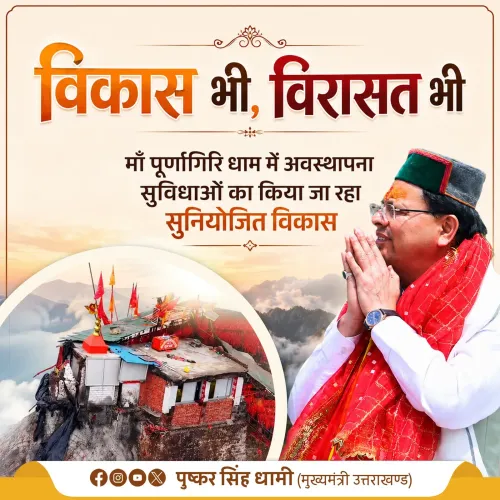
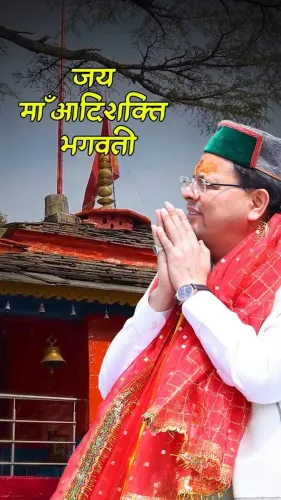
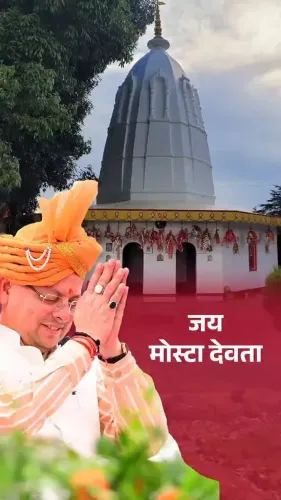
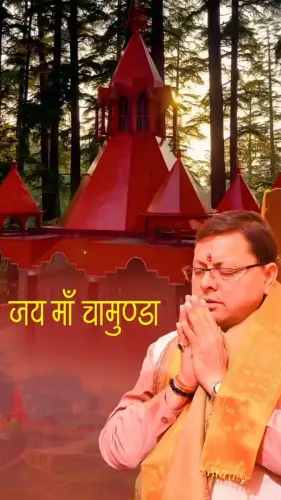
CM Pushkar Singh Dhami posted on X on 12 June 2026 promoting the Maa Ulka Devi Temple in Pithoragarh .
The temple is locally revered as the protector deity of the border region and is associated with wish fulfilment.
Pithoragarh is a border district in Uttarakhand's Kumaon division , close to the Indo-Nepal frontier .
Uttarakhand has promoted itself as Devbhoomi since 2000 , with growing focus on extending tourism beyond the Char Dham circuit into Kumaon.
The post fits a broader pattern of CM Dhami using social media to highlight remote and border district religious sites.
Possible follow-up includes Uttarakhand Tourism announcements on temple facilities or inclusion in promoted pilgrimage circuits.
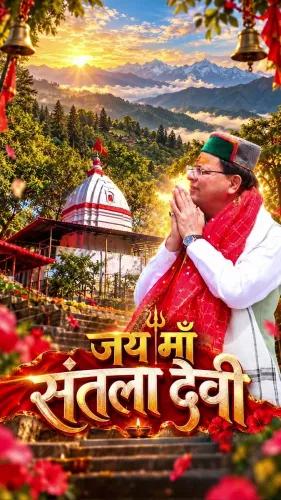
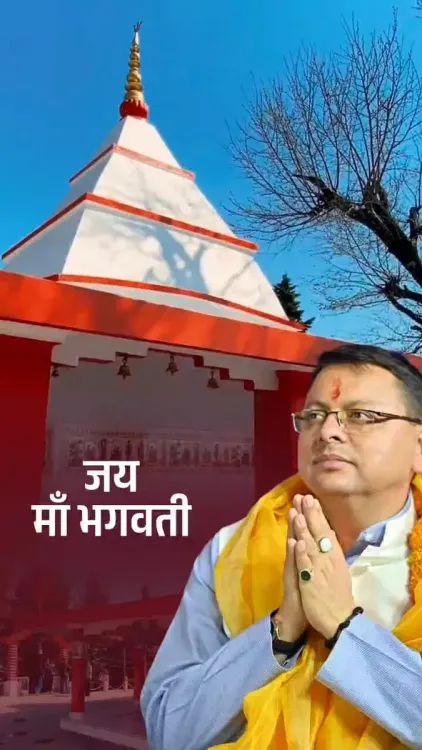
Uttarakhand Chief Minister Pushkar Singh Dhami on Friday, 12 June 2026, took to X to spotlight the Maa Ulka Devi Temple in the border district of Pithoragarh, urging visitors to include the shrine in their itinerary when travelling to the region.
In his post, CM Dhami described the temple as 'shraddha aur vishwas ka ek divya kendra' (a divine centre of devotion and faith), noting that Maa Ulka Devi is revered by locals as the protector of the region. He added that the deity is believed to fulfil the wishes of devotees and grant them happiness, prosperity, and protection, closing with a direct invitation: 'Do visit this sacred temple when you come to Pithoragarh.'
Context
Pithoragarh is a border district in Uttarakhand's Kumaon division, situated close to the Indo-Nepal frontier and known for its dramatic mountain landscapes. While the district draws trekkers and nature enthusiasts, its religious sites have historically received far less organised promotion compared to the more prominent Char Dham pilgrimage circuit in the Garhwal region. The Maa Ulka Devi Temple, nestled amid the area's scenic terrain, is regarded locally as a wish-fulfilling shrine and a guardian deity site for the surrounding communities.
Policy Backdrop
Uttarakhand has positioned itself as Devbhoomi — the 'Land of Gods' — since its formation in 2000, with successive state governments weaving religious tourism into the core of the state's economic strategy. Under CM Dhami, who has been in office since 2021, the state has actively worked to extend tourism circuits into the Kumaon belt, spotlighting lesser-known temples and shrines in remote and border districts. Social media outreach by the Chief Minister's office has become a consistent tool in this effort, amplifying sites that lack the infrastructure or visibility of established pilgrimage destinations.
The broader push aligns with central government schemes aimed at developing religious and heritage tourism in border areas, where visitor footfall can also support local livelihoods and signal state presence in strategically sensitive zones.
Stakeholders and Impact
The primary beneficiaries of such promotional messaging are local communities in Pithoragarh — shopkeepers, homestay operators, priests, and guides — who stand to gain from increased pilgrim and tourist traffic. Devotees from across Kumaon and the broader Uttarakhand diaspora, who maintain strong ties to regional deity traditions, form the core audience for the post. State tourism operators may also see renewed interest in curating Kumaon temple circuits that bundle sites like Maa Ulka Devi with other attractions in the district.
What's Next
The post could precede a formal announcement from the Uttarakhand Tourism Development Board regarding upgraded facilities or the inclusion of Maa Ulka Devi Temple in a promoted pilgrimage circuit. Visitor trends in Pithoragarh in the weeks following the Chief Minister's endorsement will be a practical indicator of whether social media promotion translates into measurable footfall. More broadly, the gesture reinforces a pattern in which CM Dhami uses his platform to keep border districts visible in the state's cultural and developmental narrative.
Point of View
He lends the site political visibility that no tourism brochure can replicate. The move fits neatly into Uttarakhand's Devbhoomi brand strategy, which seeks to distribute pilgrimage traffic — and its economic benefits — beyond the saturated Char Dham corridor into Kumaon's quieter valleys. It also serves a subtler purpose: keeping border districts in the public consciousness at a time when the state is investing in infrastructure and connectivity along the Indo-Nepal frontier.
NationPress
26 Oct 2026
Frequently Asked Questions
Where is Maa Ulka Devi Temple located?
The Maa Ulka Devi Temple is located in Pithoragarh district , a border district in the Kumaon division of Uttarakhand , close to the Indo-Nepal frontier.
Why did CM Dhami promote Maa Ulka Devi Temple?
CM Pushkar Singh Dhami promoted the temple on 12 June 2026 via X as part of the state's ongoing effort to highlight lesser-known religious sites in border and remote districts, encouraging pilgrims and tourists to visit.
What is Maa Ulka Devi known for?
Maa Ulka Devi is locally revered as the protector deity of the Pithoragarh region, with devotees believing she fulfils wishes and bestows happiness, prosperity, and protection.
What is Devbhoomi and how does it relate to Uttarakhand tourism?
Devbhoomi , meaning 'Land of Gods,' is the identity Uttarakhand has cultivated since its formation in 2000 , anchoring its tourism strategy around religious sites and pilgrimage circuits, including the famous Char Dham route and increasingly, Kumaon shrines.
How does Pithoragarh fit into Uttarakhand's tourism plans?
Pithoragarh is being promoted as part of an expanded Kumaon tourism circuit , with state authorities seeking to draw visitors beyond the Garhwal-centric Char Dham corridor to border districts rich in natural beauty and regional religious heritage.