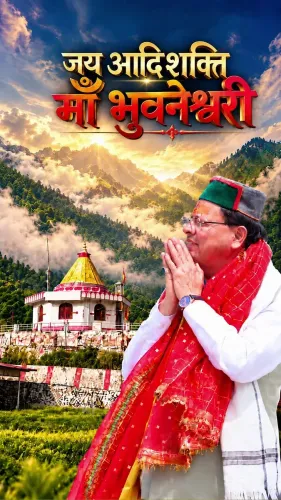
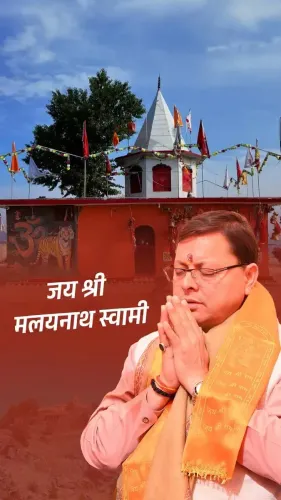
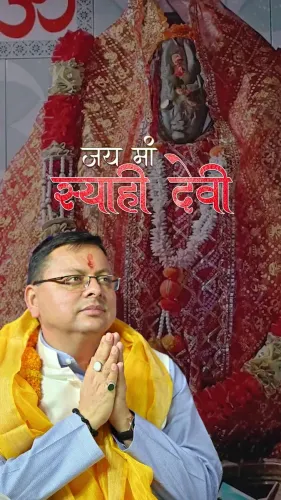
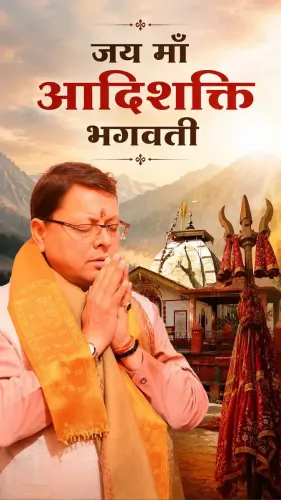
CM Dhami promotes Maa Jhumadhuri Temple in Champawat
Synopsis
Uttarakhand Chief Minister Pushkar Singh Dhami spotlighted the ancient Maa Jhumadhuri Temple in Champawat's Lohaghat area on 29 May 2026, urging visitors to seek the Adishakti deity's blessings and reinforcing the state's push to grow pilgrimage tourism beyond the Char Dham circuit.
Key Takeaways
CM Pushkar Singh Dhami publicly promoted the Maa Jhumadhuri Temple in Lohaghat, Champawat on 29 May 2026 .
The ancient temple is dedicated to Adishakti Bhagwati and is a significant local centre of faith in the Kumaon region.
A large annual fair is held at the temple on Bhadrapad Shukla Ashtami , drawing pilgrims and supporting local trade.
Champawat district borders Nepal and is part of the state's effort to spread religious tourism beyond the Char Dham circuit.
The promotion aligns with Uttarakhand 's ongoing strategy since 2017 to develop secondary pilgrimage sites and reinforce the state's Devbhoomi identity.
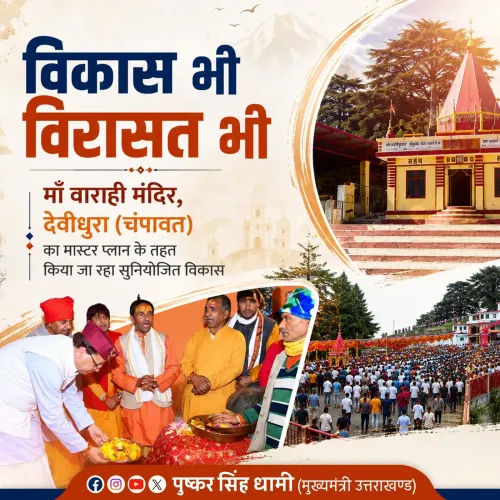
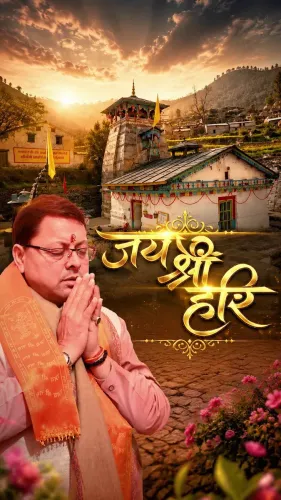
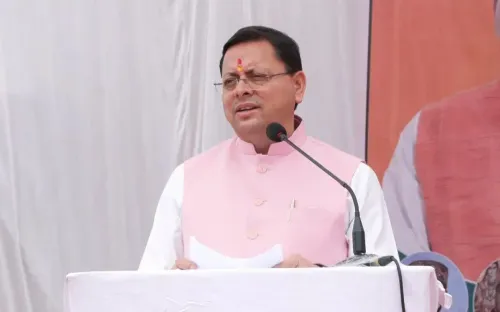
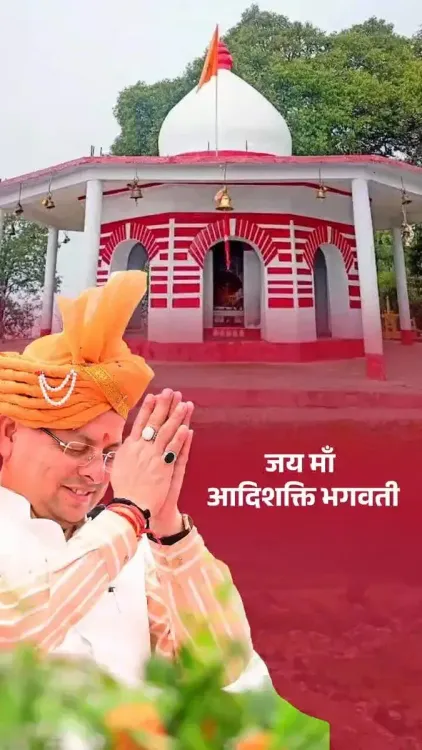
Uttarakhand Chief Minister Pushkar Singh Dhami on Friday, 29 May 2026 took to social media to highlight the Maa Jhumadhuri Temple in the Lohaghat area of Champawat district, calling it a sacred centre of faith and spiritual energy and urging visitors to seek the deity's blessings when they travel to Champawat.
Context
In his post, CM Dhami described the temple as 'aastha, shraddha aur aadhyatmik urja ka paavan kendra' (a holy centre of faith, devotion and spiritual energy). The ancient shrine is dedicated to Adishakti Bhagwati — a form of the primordial goddess — and is regarded as a symbol of the unshakeable faith of its devotees. He extended an open invitation: 'Do seek the divine darshan of Maa Jhumadhuri on your visit to Champawat and receive the benefit of spiritual experience.'
The post was accompanied by a video, giving audiences a visual glimpse of the temple and its surroundings in the Kumaon hills.
Policy Backdrop
Since 2017, the Uttarakhand government has run sustained campaigns to develop secondary religious sites and temple fairs as part of a strategy to expand pilgrimage tourism beyond the high-profile Char Dham circuit. The aim is to distribute visitor footfall across lesser-known Kumaon sites, generating revenue and livelihoods for communities in districts such as Champawat, which borders Nepal.
Champawat district holds considerable historical and religious significance, with ancient forts and temples that have long drawn pilgrims from across the region. The Maa Jhumadhuri Temple hosts a large annual fair on Bhadrapad Shukla Ashtami — a date on the Hindu lunar calendar that draws pilgrims for worship and supports local trade.
Stakeholders and Impact
The primary beneficiaries of heightened attention to the temple are Champawat's local traders, hospitality providers, and the broader pilgrimage tourism ecosystem in the district. Pilgrims travelling from across Uttarakhand and neighbouring states stand to gain a well-promoted spiritual destination that remains far less crowded than the major yatras.
For the BJP-led state government, amplifying the 'Devbhoomi' (Land of Gods) identity of Uttarakhand through such posts reinforces a consistent cultural and political messaging strategy, connecting governance with the state's deep-rooted religious heritage.
What's Next
Attention will now turn to whether the Uttarakhand Tourism Department follows up with concrete announcements on infrastructure — access roads, amenities, or signage — around the Maa Jhumadhuri Temple ahead of the next Bhadrapad Shukla Ashtami fair. Sustained state investment in sites like this one will determine whether social-media promotion translates into lasting visitor growth for Champawat.
Point of View
Linking political identity to religious heritage. By spotlighting a lesser-known Kumaon shrine rather than the already-saturated Char Dham sites, the state signals a maturing pilgrimage-tourism strategy aimed at distributing economic benefits more widely. The move also serves a cultural-political purpose: consistently framing Uttarakhand as 'Devbhoomi' deepens the governing party's connection to the state's spiritual identity ahead of any electoral cycle. Whether promotional posts convert into infrastructure investment and measurable visitor growth for districts like Champawat remains the key test of this strategy.
NationPress
15 Oct 2026
Frequently Asked Questions
Where is Maa Jhumadhuri Temple located?
The Maa Jhumadhuri Temple is located in the Lohaghat area of Champawat district in Uttarakhand, in the Kumaon region of the state.
Which deity is worshipped at Maa Jhumadhuri Temple?
The temple is dedicated to Adishakti Bhagwati, a form of the primordial goddess, and is regarded as an important centre of faith for devotees in the region.
When is the annual fair held at Maa Jhumadhuri Temple?
A large annual fair is held at the Maa Jhumadhuri Temple on Bhadrapad Shukla Ashtami, a date on the Hindu lunar calendar that draws pilgrims and local traders.
Why did CM Dhami post about Maa Jhumadhuri Temple?
CM Pushkar Singh Dhami shared a post on 29 May 2026 to promote the temple as a spiritual destination, inviting people visiting Champawat to seek the deity's blessings as part of the state's broader religious tourism outreach.
How is Uttarakhand promoting pilgrimage tourism beyond Char Dham?
Since 2017, the Uttarakhand government has run campaigns to develop secondary religious sites and temple fairs across the state, including in Kumaon districts like Champawat, to spread visitor footfall and tourism revenue beyond the major Char Dham yatra circuit.