CM Dhami Spotlights Haridwar's Dakshina Kali Temple
Synopsis
Uttarakhand Chief Minister Pushkar Singh Dhami on 10 June 2026 spotlighted the Dakshina Kali Temple in Haridwar, calling it a premier centre of faith and spiritual energy dedicated to Maa Mahakali, and urged all visitors to the city to seek darshan at the ancient Ganges-bank shrine.
Key Takeaways
CM Pushkar Singh Dhami posted on 10 June 2026 urging devotees to visit the Dakshina Kali Temple in Haridwar .
The temple is situated on the Ganges bank in Haridwar and is dedicated to Goddess Mahakali .
Dhami described the shrine as a 'foremost centre of devotion, faith, and spiritual energy' drawing pilgrims from across the country.
Haridwar is one of Hinduism's seven sacred cities and a major pilgrimage hub in Uttarakhand .
The post aligns with the state's sustained Devbhoomi religious tourism policy pursued since statehood in 2000 .
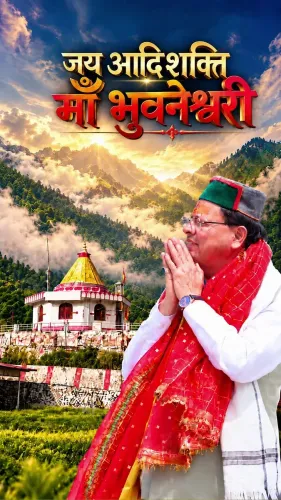
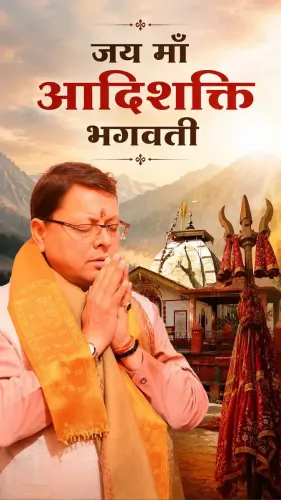
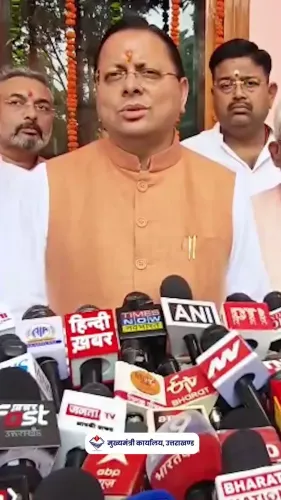
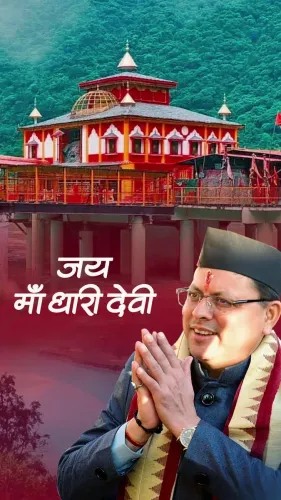
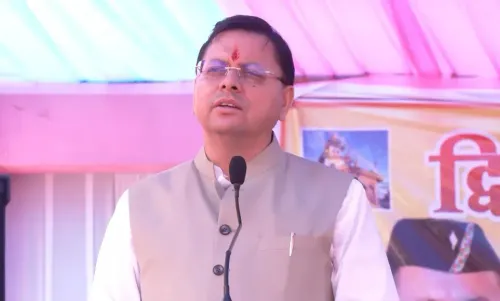
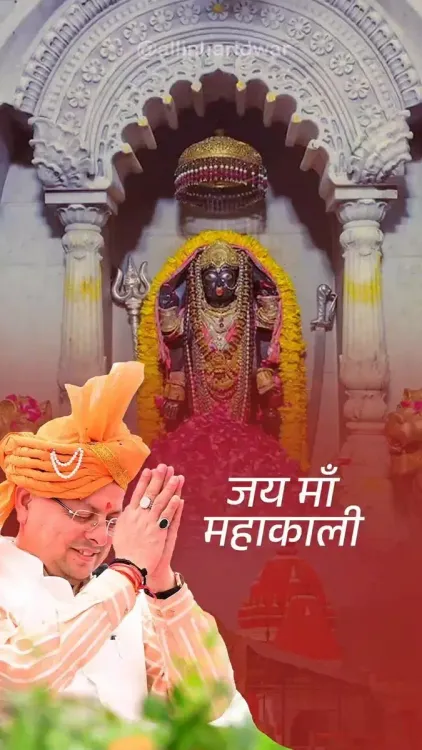
Uttarakhand Chief Minister Pushkar Singh Dhami on Wednesday, 10 June 2026 invoked the spiritual heritage of Haridwar, urging devotees visiting the city to make a point of seeking darshan at the Dakshina Kali Temple on the banks of the Ganges. In a post on X accompanied by a video, the Chief Minister described the ancient shrine as a premier centre of devotion, faith, and spiritual energy.
Writing in Hindi, CM Dhami stated: 'हरिद्वार में माँ गंगा के पावन तट पर स्थित दक्षिण काली मंदिर श्रद्धा, आस्था और आध्यात्मिक ऊर्जा का प्रमुख केंद्र है' — 'The Dakshina Kali Temple, situated on the sacred bank of Mother Ganga in Haridwar, is a foremost centre of devotion, faith and spiritual energy.' He added that the temple is dedicated to Maa Mahakali and draws pilgrims from far and wide for worship and darshan, before urging visitors: 'On your arrival in Haridwar, do visit this divine temple of Maa Dakshina Kali.'
Context
The Dakshina Kali Temple is one of the prominent shrines along the Ganges in Haridwar, dedicated to the goddess Mahakali in her Dakshina form. Haridwar, one of Hinduism's seven sacred cities, sits at the point where the Ganges descends from the Himalayas to the plains, making it a year-round pilgrimage destination. The city hosts numerous ghats and temples that attract millions of devotees annually, particularly during festivals and the periodic Kumbh Mela.
Policy Backdrop
Since Uttarakhand's formation as a separate state in 2000, successive state governments have promoted the 'Devbhoomi' — 'Land of the Gods' — identity as a cornerstone of religious tourism policy. CM Dhami, who has held office since 2021, has continued and amplified this approach, regularly using social media to spotlight temples, pilgrimage circuits, and Ganges-side sites across the state. The strategy is aimed at sustaining and growing visitor footfall at religious destinations, with Haridwar serving as a key gateway.
Stakeholders and Impact
The post speaks directly to the state's large pilgrim community as well as the broader religious tourism sector that forms a significant part of Uttarakhand's economy. Temples like the Dakshina Kali Temple depend on a steady flow of devotees, and endorsements from the Chief Minister carry visible influence in directing pilgrims toward specific shrines. Local priests, hospitality providers, and transport operators around Haridwar stand to benefit from heightened visibility of individual temples.
What's Next
The state tourism department typically ramps up outreach ahead of major pilgrimage seasons, and the Chief Minister's social media spotlight on Haridwar temples is consistent with that seasonal pattern. Observers will watch for any formal announcements from the Uttarakhand government regarding infrastructure upgrades, ghat access, or festival-period arrangements at Haridwar. The broader 'Devbhoomi' push is expected to continue as a defining theme of the Dhami administration's cultural and economic messaging.
Point of View
Reinforcing Uttarakhand's identity as India's spiritual heartland. The move fits a broader pattern in which BJP-governed hill states leverage religious heritage as both cultural messaging and economic policy, with pilgrimage footfall treated as a measurable development metric. By personally endorsing the Dakshina Kali Temple, Dhami signals continuity with his administration's temple-circuit promotion strategy ahead of what is typically a busy pilgrimage season. The approach also keeps the Chief Minister visibly aligned with the devotional concerns of a core voter base.
NationPress
26 Oct 2026
Frequently Asked Questions
Where is the Dakshina Kali Temple located?
The Dakshina Kali Temple is located on the bank of the Ganges river in Haridwar, Uttarakhand, one of Hinduism's most sacred pilgrimage cities.
Which goddess is the Dakshina Kali Temple dedicated to?
The temple is dedicated to Goddess Mahakali in her Dakshina form, and draws devotees from across India for darshan and worship.
Why did CM Dhami post about the Dakshina Kali Temple?
Uttarakhand CM Pushkar Singh Dhami posted on 10 June 2026 to highlight the temple's spiritual significance and urge visitors to Haridwar to seek darshan there, consistent with the state's religious tourism promotion policy.
What is the 'Devbhoomi' identity in Uttarakhand?
'Devbhoomi', meaning 'Land of the Gods', is a branding and policy framework successive Uttarakhand governments have used since statehood in 2000 to promote the state's religious sites and attract pilgrims and tourists.
Is Haridwar a major pilgrimage destination?
Yes, Haridwar is one of Hinduism's seven sacred cities and serves as a gateway where the Ganges descends to the plains, hosting millions of pilgrims annually and periodic Kumbh Mela gatherings.