CM Dhami Hails Gaja's Ghantakarn Temple as Key Mythological Site
Synopsis
Chief Minister Pushkar Singh Dhami has spotlighted the Ghantakarn Temple in Gaja, Uttarakhand, calling it one of the state's foremost mythological shrines with roots in the Kedarkhand scripture, and praising its annual fair for elevating regional cultural identity.
Key Takeaways
CM Pushkar Singh Dhami officially recognised the Ghantakarn Temple in Gaja as one of Uttarakhand's principal mythological temples.
The temple finds mention in the Kedarkhand section of the Skanda Purana, lending it scriptural significance.
The annual Ghantakarn mela has been credited by the Chief Minister with giving the region's culture 'wide recognition.' The statement aligns with Uttarakhand's broader policy of promoting lesser-known heritage and pilgrimage sites alongside the Char Dham circuit.
No specific government scheme or infrastructure announcement has been made for the temple as of this statement.
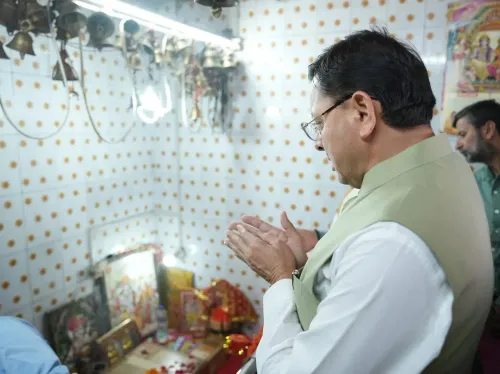
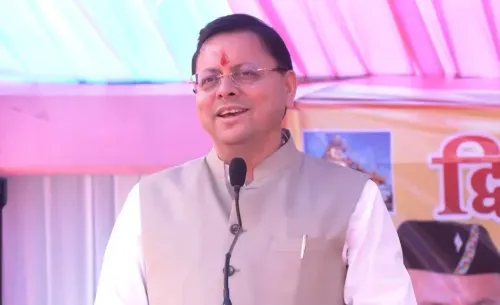
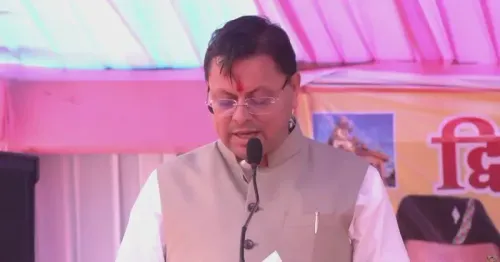
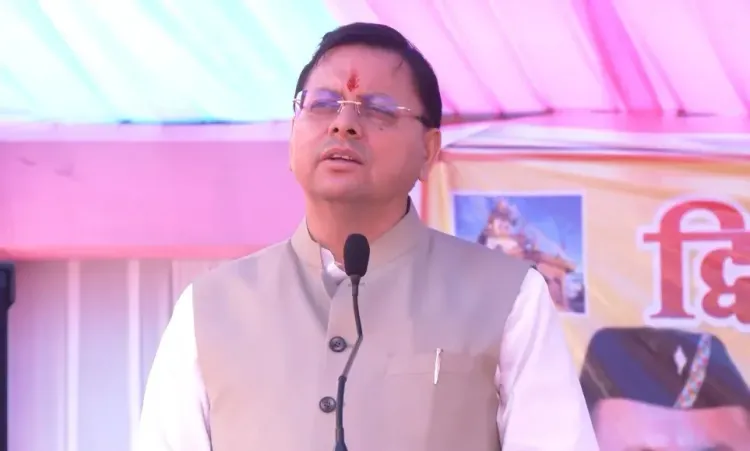
The Chief Minister's Office of Uttarakhand on Wednesday, 27 May 2026 shared a statement by Chief Minister Pushkar Singh Dhami recognising the Ghantakarn Temple in Gaja as one of the state's foremost mythological shrines, noting its mention in the Kedarkhand section of the Skanda Purana and the role of its annual fair in amplifying the region's cultural identity.
Context
In his statement, CM Dhami said — translated from Hindi — 'The Ghantakarn Temple of Gaja is one of the principal mythological temples of our state, whose mention is also found in the Kedarkhand. Through this fair, the rich culture of this region has received wide recognition.' The original Hindi reads: 'गजा का घंटाकर्ण मंदिर हमारे राज्य के प्रमुख पौराणिक मंदिरों में से एक है, जिसका उल्लेख केदारखंड में भी मिलता है।'
The Ghantakarn Temple, situated in the Gaja area of Uttarakhand, is associated with deep-rooted local mythology and draws pilgrims and devotees for its annual mela (fair). The Chief Minister's remarks underscore the temple's dual significance — as a living site of worship and as a documented heritage landmark within ancient Puranic literature.
Policy Backdrop
Uttarakhand's leadership has consistently positioned the state's network of ancient temples and local fairs as pillars of both cultural identity and religious tourism. The Kedarkhand, a chapter of the Skanda Purana, catalogues sacred sites across the Himalayan region and is frequently cited by state officials to lend scriptural authority to heritage claims.
Successive state governments have sought to link such mythological references to broader tourism and infrastructure initiatives, with lesser-known temples like Ghantakarn increasingly being brought into the mainstream narrative alongside more prominent shrines such as the Char Dham circuit.
Stakeholders and Impact
The primary beneficiaries of heightened official attention to the Ghantakarn Temple are local residents of Gaja and the surrounding villages, whose livelihoods are tied to pilgrimage traffic and the annual fair economy. Pilgrims travelling to the site stand to gain from any future improvements in connectivity or amenities that official recognition may catalyse.
For the broader cultural ecosystem of Uttarakhand, the Chief Minister's statement signals continued state interest in documenting and promoting temples that fall outside the well-trodden tourist circuits, offering a counterweight to the concentration of religious tourism in a handful of high-profile destinations.
What's Next
The government has not announced specific infrastructure upgrades or a formal development scheme for the Ghantakarn Temple at this stage. However, statements of this nature from the Chief Minister's Office have historically preceded departmental reviews of heritage sites and, in some cases, allocation of funds for access roads, visitor facilities, or fair management.
Observers will watch for follow-up announcements from the Uttarakhand Tourism or Culture Department that could translate the Chief Minister's recognition into concrete development plans for Gaja and its iconic temple fair.
Point of View
A strategy that simultaneously appeals to devout constituencies and positions the state as a spiritual tourism destination. By invoking the Kedarkhand, the Chief Minister lends institutional weight to a site that might otherwise remain obscure to visitors outside the immediate region. The move also signals that the state's cultural outreach is expanding beyond the Char Dham axis to encompass a wider geography of sacred sites. Whether this recognition translates into tangible development for Gaja will be the real test of the government's commitment.
NationPress
12 Oct 2026
Frequently Asked Questions
Where is the Ghantakarn Temple located?
The Ghantakarn Temple is located in Gaja, Uttarakhand, and is considered one of the state's significant mythological shrines.
What is the Kedarkhand and why is it significant?
The Kedarkhand is a chapter of the ancient Skanda Purana that documents sacred sites across the Uttarakhand Himalayan region; the Ghantakarn Temple's mention in it lends the site scriptural and historical importance.
What did CM Pushkar Dhami say about the Ghantakarn Temple?
CM Dhami described the Ghantakarn Temple as one of Uttarakhand's foremost mythological temples and said the annual fair associated with it has given the region's rich culture wide recognition.
What is the Ghantakarn mela?
The Ghantakarn mela is an annual fair held at or around the Ghantakarn Temple in Gaja, Uttarakhand, that celebrates local traditions and draws pilgrims and residents from the surrounding region.
Is there a government scheme for the Ghantakarn Temple?
No specific government scheme or infrastructure project for the Ghantakarn Temple has been announced as of CM Dhami's statement on 27 May 2026.