CM Dhami Launches Gaja Ghantakarn Mahotsav 2026 in Tehri Garhwal
Synopsis
Uttarakhand CM Pushkar Singh Dhami inaugurated the second edition of Gaja Ghantakarn Mahotsav in Tehri Garhwal on 27 May 2026, offered prayers at the Ghantakarn Temple for state residents' well-being, reviewed government departmental stalls, and made multiple development announcements for the region.
Key Takeaways
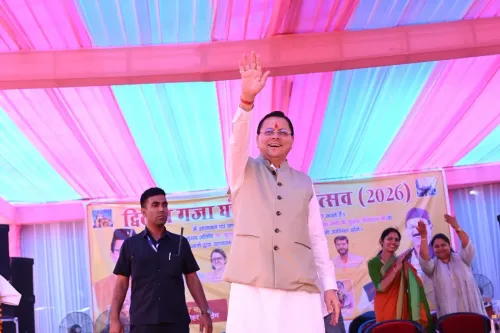
CM Pushkar Singh Dhami inaugurated the Gaja Ghantakarn Mahotsav 2026 , the second edition of the folk festival, in Tehri Garhwal on 27 May 2026 .
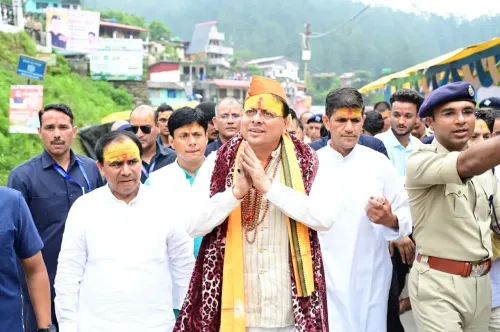
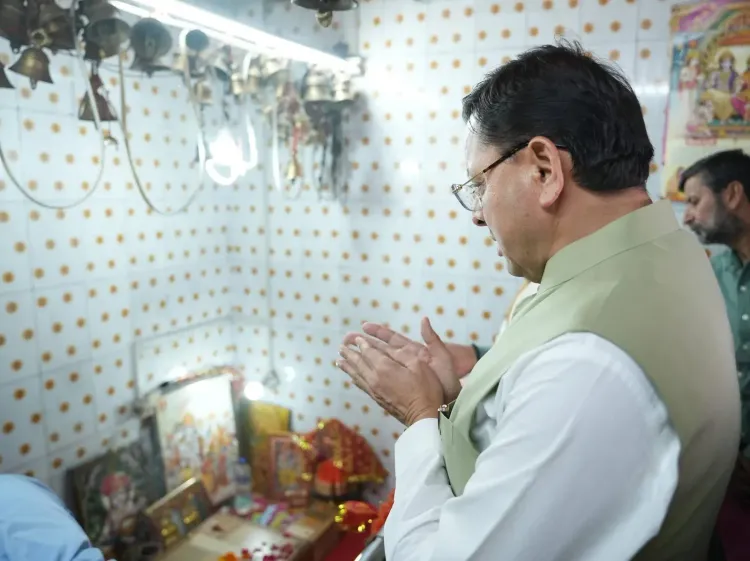
He offered ritual worship at the Ghantakarn Temple and prayed for the happiness and prosperity of all Uttarakhand residents.
Stalls set up by various government departments were reviewed by the Chief Minister at the festival venue.
Several development announcements linked to the Tehri Garhwal region were made during the event.
The mahotsav is part of a broader state strategy to institutionalise local folk-deity festivals for heritage preservation and regional tourism growth.
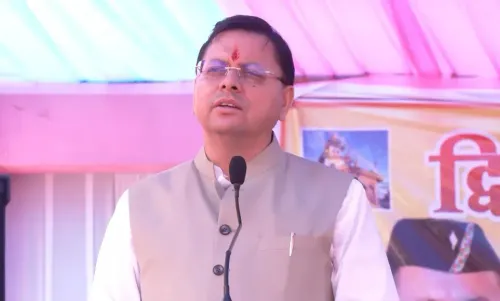
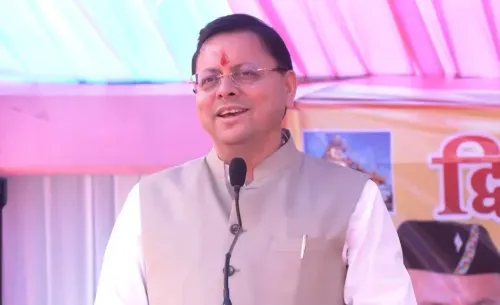
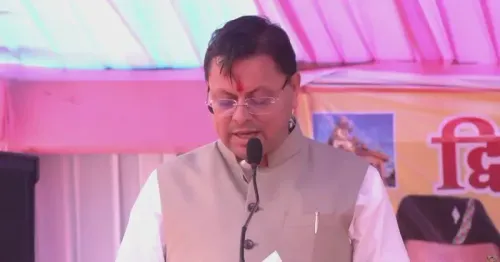
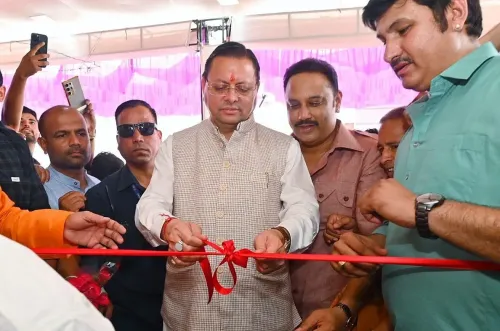
Uttarakhand Chief Minister Pushkar Singh Dhami inaugurated the Gaja Ghantakarn Mahotsav 2026, the second edition of the folk-deity festival, in Tehri Garhwal on Wednesday, 27 May 2026, offering prayers at the Ghantakarn Temple and invoking the well-being of all residents of the state.
Posting on X, CM Dhami wrote: 'टिहरी गढ़वाल में आयोजित गजा घंटाकर्ण महोत्सव-2026 (द्वितीय संस्करण) का शुभारंभ करने के साथ ही घंटाकर्ण मंदिर में पूजा अर्चना कर समस्त प्रदेशवासियों की सुख समृद्धि की कामना की।' [Translated: 'After inaugurating the Gaja Ghantakarn Mahotsav-2026 (second edition) organised in Tehri Garhwal, I offered prayers at the Ghantakarn Temple and wished happiness and prosperity for all the people of the state.'] He also noted that he reviewed stalls set up by various government departments at the event and made several development announcements for the region.
Context
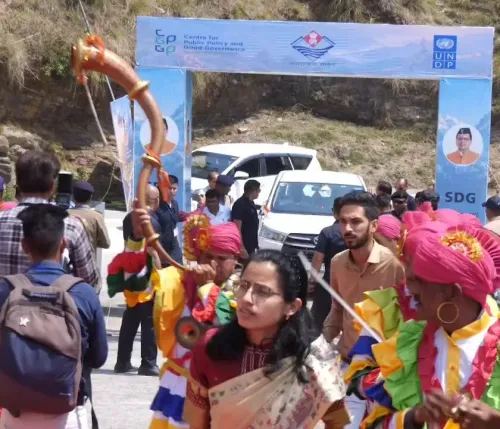
The Gaja Ghantakarn Mahotsav is a cultural festival rooted in the worship of the regional folk deity Ghantakarn, venerated in the hill districts of Tehri Garhwal. The 2026 edition marks only the second time the festival has been formally organised, reflecting a deliberate push by the state administration to institutionalise local folk traditions. CM Dhami personally led the inaugural rituals at the Ghantakarn Temple, lending the event significant administrative and political weight.
Policy Backdrop
Since Uttarakhand's formation as a separate state in 2000, successive governments have promoted district-level cultural and religious festivals as instruments of folk-heritage preservation and rural economic uplift. The BJP-led administration under Dhami has continued and intensified this approach, regularly pairing temple and festival events with on-the-spot announcements of infrastructure or welfare measures for remote hill communities. The presence of departmental stalls at the mahotsav — covering multiple government schemes — is consistent with this model of combining cultural outreach with direct public administration.
Stakeholders and Impact
Local residents and devotees of the Ghantakarn deity are the immediate beneficiaries of both the cultural celebration and any development pledges made at the festival. The tourism sector in Tehri Garhwal also stands to gain, as institutionalised folk festivals attract visitors, generate local employment, and build the district's identity as a religious-tourism destination. Artisans, vendors, and self-help groups operating the departmental stalls benefit from direct exposure to a large public gathering convened under official patronage.
What's Next
Attention will now turn to the implementation of the development announcements CM Dhami made at the festival — a recurring test of whether such event-linked pledges translate into on-ground progress in hill districts. The trajectory of the Gaja Ghantakarn Mahotsav itself will also be watched: with two editions now on record, organisers and the state government are likely to plan a larger, more structured third edition in 2027, potentially drawing it into the state's official cultural-tourism calendar.
Point of View
Dhami reinforces the party's dual identity as both a cultural custodian and a delivery-oriented administration. The institutionalisation of a second-edition festival signals that this is not a one-off gesture but a structured effort to embed folk traditions into the state's cultural-tourism architecture. Whether the development pledges made at such events are tracked and fulfilled will determine how durable this political goodwill proves to be in Tehri Garhwal.
NationPress
11 Oct 2026
Frequently Asked Questions
What is the Gaja Ghantakarn Mahotsav?
The Gaja Ghantakarn Mahotsav is a cultural festival held in Tehri Garhwal, Uttarakhand, celebrating the regional folk deity Ghantakarn. The 2026 event was its second formal edition.
Where is the Ghantakarn Temple located?
The Ghantakarn Temple is located in Tehri Garhwal district of Uttarakhand, and it serves as the central site for the festival's ritual worship activities.
What did CM Dhami announce at the Ghantakarn festival?
CM Pushkar Singh Dhami made several development announcements for the Tehri Garhwal region at the festival, though the specific details of those declarations have not yet been officially detailed in public records.
Why does the Uttarakhand government organise district-level cultural festivals?
Uttarakhand has promoted district-level cultural and religious festivals since its formation in 2000 to preserve folk traditions, boost religious tourism, and support local economies in remote hill areas.
When was the Gaja Ghantakarn Mahotsav 2026 inaugurated?
The second edition of the Gaja Ghantakarn Mahotsav was inaugurated on Wednesday, 27 May 2026, by Chief Minister Pushkar Singh Dhami in Tehri Garhwal.