CM Dhami: Ganga Corridor to Strengthen Mahakumbh-2027 Prep
Synopsis
Chief Minister Pushkar Singh Dhami says the Ganga Corridor will reinforce Mahakumbh-2027 preparations and deliver safer, more accessible facilities to pilgrims and Kanwar Yatris year-round, building on the Namami Gange policy framework and Uttarakhand's religious-tourism push.
Key Takeaways
CM Pushkar Singh Dhami announced that the Ganga Corridor will strengthen arrangements for Mahakumbh-2027 in Haridwar .
The corridor is designed to serve pilgrims and Kanwar Yatris throughout the year, not only during major events.
The project builds on the central government's Namami Gange programme (2014) and the Uttarakhand Tourism Policy 2021-22 .
The approach mirrors permanent riverfront projects in Varanasi and Prayagraj , converting episodic Kumbh spending into lasting public infrastructure.
Mahakumbh-2027 , held every 12 years , is expected to draw tens of millions of devotees to Haridwar .
State budget allocations and tendering timelines for corridor phases remain the key milestones to watch.
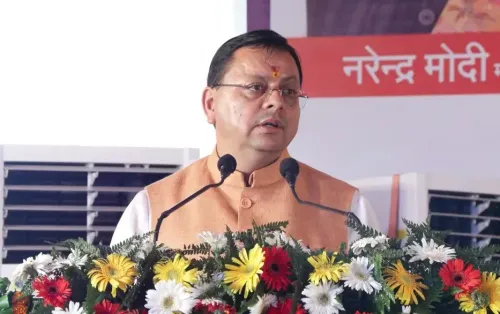
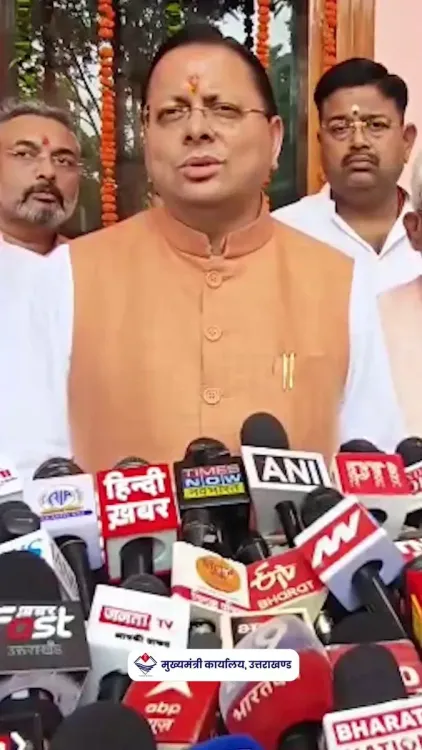
The Chief Minister's Office of Uttarakhand shared a statement from Chief Minister Pushkar Singh Dhami on Tuesday, 21 July 2026, affirming that the construction of the Ganga Corridor will reinforce preparations for Mahakumbh-2027 while delivering safer and more accessible facilities to pilgrims and Kanwar Yatris throughout the year.
Context
In his statement, CM Dhami said: 'Ganga Corridor ka nirman hone se Mahakumbh-2027 ki vyavasthaon ko sudridh banane ke saath-saath varshbhar aane wale shraddhaaluon evam Kanwar yatriyon ko behtar, surakshit aur sugam suvidhaen uplabdh hongi' — meaning, 'The construction of the Ganga Corridor will strengthen the arrangements for Mahakumbh-2027 and will also provide better, safer and more convenient facilities to pilgrims and Kanwar Yatris who visit throughout the year.' The statement positions the corridor as a dual-purpose asset: a permanent infrastructure upgrade and a dedicated preparation tool for the decennial mega-gathering.
Mahakumbh-2027 is scheduled to be held in Haridwar, Uttarakhand, and is expected to draw tens of millions of devotees for ritual bathing in the Ganga. The event occurs every 12 years and places extraordinary pressure on the city's riverfront, crowd-management systems, and civic amenities.
Policy Backdrop
The Ganga Corridor project sits within a broader policy lineage anchored by the central government's Namami Gange programme, launched in 2014, which provided the framework for riverfront infrastructure and ghat development that Uttarakhand subsequently adapted for its own corridor ambitions. Earlier, preparations for the Haridwar Kumbh Mela 2016 had included temporary pontoon bridges and ghat upgrades, and those lessons directly informed planning for permanent corridor assets ahead of 2027.
The Uttarakhand Tourism Policy 2021-22 explicitly prioritised Ganga Corridor construction to support year-round pilgrimage and reduce seasonal congestion. The corridor approach mirrors similar riverfront projects undertaken in Varanasi and Prayagraj, reflecting a wider national pattern of converting episodic Kumbh investments into continuous public amenities along the Ganga basin.
Stakeholders and Impact
The primary beneficiaries of the corridor are the millions of pilgrims who visit Haridwar year-round, as well as Kanwar Yatris — devotees who carry Ganga water on foot to Shiva temples, with footfall peaking during the Shravan month and demanding robust crowd-management infrastructure. Local traders and the broader religious-tourism economy of Uttarakhand also stand to benefit from improved accessibility and visitor safety.
By framing the corridor as a permanent facility rather than a temporary event installation, the Uttarakhand government signals a shift toward infrastructure that serves pilgrims across all seasons, not merely during the Kumbh cycle. This reduces the recurring cost of erecting and dismantling temporary structures for each major gathering.
What's Next
Attention will now turn to state budget allocations and tendering timelines for the various phases of the corridor, as well as coordination between the Uttarakhand government and the Ministry of Housing and Urban Affairs on potential extensions under Namami Gange Phase-II. With Mahakumbh-2027 less than a year and a half away, the pace of construction and the sequencing of corridor segments will be closely watched by both state administrators and pilgrimage organisers.
If the corridor's permanent infrastructure is delivered on schedule, it could set a replicable template for other Ganga-basin states managing large-scale religious gatherings — embedding what has historically been event-driven spending into durable public infrastructure.
Point of View
A framing that aligns with the BJP's broader strategy of bundling religious-tourism investment with visible governance deliverables ahead of state elections. By anchoring the corridor to Mahakumbh-2027, the Uttarakhand government creates a hard deadline that pressures bureaucratic timelines and keeps the project in the public eye. The corridor's design logic — converting episodic Kumbh expenditure into year-round amenities — also positions Uttarakhand to absorb a larger share of Namami Gange Phase-II funding, making the announcement as much a signal to New Delhi as to domestic pilgrims. Whether the corridor's phasing can realistically align with the 2027 event window will be the real test of this political commitment.
NationPress
21 Oct 2026
Frequently Asked Questions
What is the Ganga Corridor in Uttarakhand?
The Ganga Corridor is a proposed riverfront infrastructure project in Uttarakhand, aimed at improving access, safety, and amenities along the Ganga for pilgrims, Kanwar Yatris, and tourists on a year-round basis. It builds on the framework established by the central government's Namami Gange programme.
How will the Ganga Corridor help Mahakumbh-2027?
According to CM Pushkar Singh Dhami, the corridor will strengthen the logistical and infrastructure arrangements for Mahakumbh-2027 in Haridwar, providing permanent ghats, better crowd management, and improved safety facilities rather than relying on temporary structures.
When is Mahakumbh 2027 and where will it be held?
Mahakumbh-2027 is scheduled to be held in Haridwar, Uttarakhand. The event occurs every 12 years and is one of the largest religious gatherings in the world, drawing tens of millions of devotees for ritual bathing in the Ganga.
What is Kanwar Yatra and why does it need better infrastructure?
Kanwar Yatra is an annual Hindu pilgrimage in which devotees carry Ganga water on foot to Shiva temples, with footfall peaking during the Shravan month. The sheer volume of Kanwar Yatris requires robust crowd-management, safety barriers, and rest facilities along the riverfront.
Is the Ganga Corridor connected to the Namami Gange programme?
Yes. The Namami Gange programme, launched by the central government in 2014, provided the foundational framework for riverfront ghat development that Uttarakhand has since adapted for the Ganga Corridor project, and future Namami Gange Phase-II funding is expected to be relevant to its execution.