CM Dhami Pushes 'Wed in Uttarakhand' at Dehradun Wedding Summit
Synopsis
CM Pushkar Singh Dhami addressed the ICEI-organised Grace Hindustan 2.0 wedding professionals summit in Dehradun on 15 July 2026, pledging to develop Triyuginarayan, Mussoorie, Tehri, and other sites into world-class destination wedding centres under PM Modi's 'Wed in Uttarakhand' vision.
Key Takeaways
CM Pushkar Singh Dhami addressed the Grace Hindustan 2.0 Uttarakhand national wedding professionals conference in Dehradun on 15 July 2026 .
The state is developing five sites — Triyuginarayan, Onkareshwar (Ukhimath), Ramnagar, Tehri, and Mussoorie — as world-class destination wedding centres.
The initiative is aligned with PM Narendra Modi 's 'Wed in Uttarakhand' vision and is listed as a government priority.
The programme targets not just tourist footfall but also local employment, self-employment, and economic multipliers for communities at wedding sites.
Spiritual, wellness, and cultural tourism are being promoted alongside wedding tourism as complementary pillars of Uttarakhand's tourism economy.
The ICEI conference signals active private-sector engagement with Uttarakhand's emerging destination wedding market.
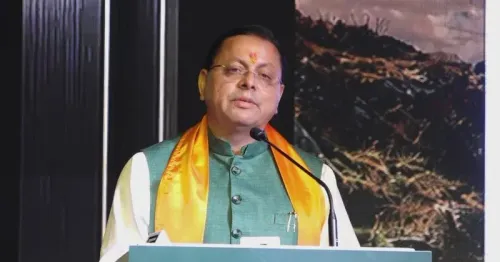
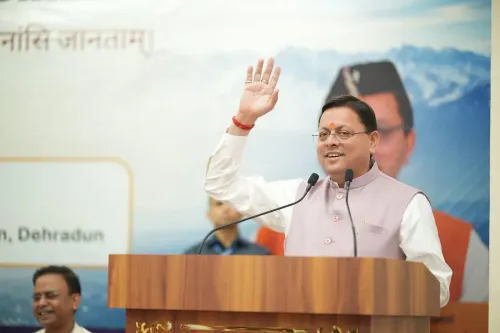
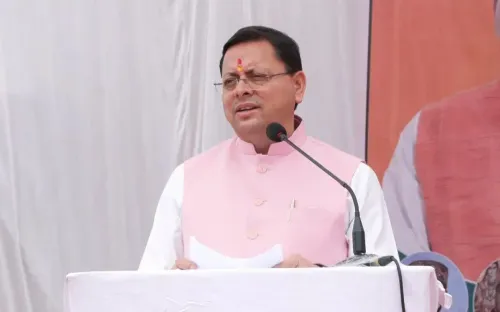
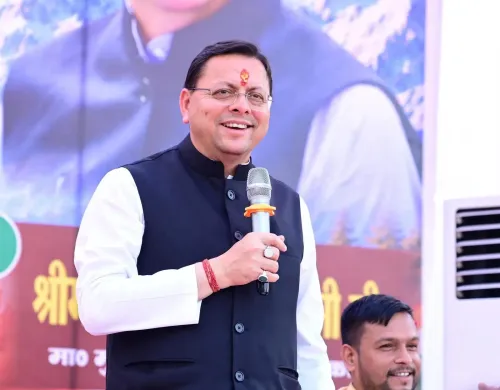
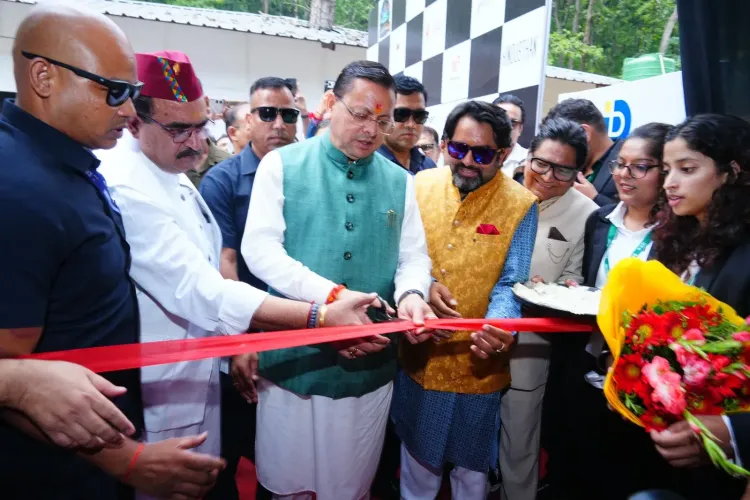
Uttarakhand Chief Minister Pushkar Singh Dhami on Wednesday, 15 July 2026, addressed the 'Grace Hindustan 2.0 Uttarakhand' national wedding professionals conference in Dehradun, organised by the International Convention of Event Industries (ICEI), reaffirming his government's commitment to developing the state as a premier destination wedding hub.
Context
Speaking at the summit, CM Dhami said that realising Prime Minister Narendra Modi's 'Wed in Uttarakhand' vision is among his government's top priorities. He outlined plans to develop Triyuginarayan, Onkareshwar (Ukhimath), Ramnagar, Tehri, and Mussoorie — along with other suitable sites — into world-class destination wedding centres, with work already under way at a rapid pace.
The CM framed the initiative in economic terms, stating that it is 'not limited to promoting tourism alone, but is also a powerful medium for giving new momentum to the local economy, employment, and self-employment.'
Policy Backdrop
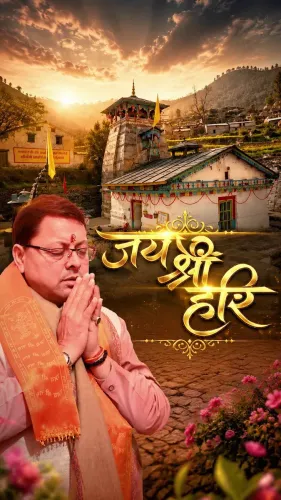
Triyuginarayan, a sacred temple in the Rudraprayag district, holds mythological significance as the site of the divine wedding of Shiva and Parvati, making it a natural anchor for spiritual wedding tourism. The state's push aligns with the broader national Swadesh Darshan scheme, launched in 2014-15, which funds thematic tourism circuits including spiritual and cultural sites across Uttarakhand.
India's destination wedding market has grown significantly in the post-pandemic period, with multiple states competing to attract high-value domestic and inbound wedding bookings. Uttarakhand's strategy differentiates itself by weaving the state's Devbhoomi (land of the gods) identity into its wedding tourism offering, combining spiritual settings with natural landscapes.
Stakeholders and Impact
CM Dhami emphasised that the goal is not merely to increase tourist footfall but to give every visitor 'an unforgettable experience of Devbhoomi's spiritual consciousness, rich cultural heritage, unparalleled natural beauty, and warm hospitality.' This positions the state's offering as experiential rather than volume-driven.
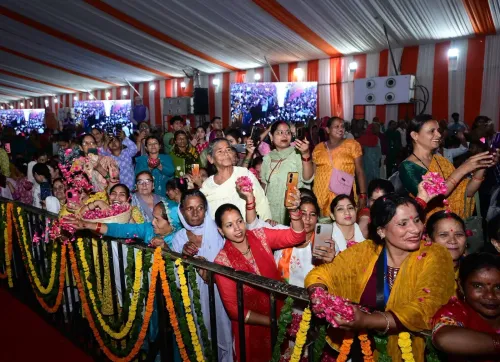
The beneficiaries span a wide chain: event management professionals, local hospitality businesses, artisans, caterers, transport operators, and youth seeking self-employment in the tourism sector. The ICEI conference itself brought together national wedding industry professionals, signalling growing private-sector interest in the state as a viable destination wedding market.
Beyond weddings, the CM noted that spiritual tourism, wellness tourism, and cultural tourism are being simultaneously promoted as complementary pillars of the state's broader tourism economy.
What's Next
The state government is expected to follow up the conference with infrastructure investments and policy incentives at the five named sites. Future state tourism budgets and policy announcements will be closely watched for specific timelines and funding allocations tied to the destination wedding development programme.
With the 'Wed in Uttarakhand' initiative now firmly on the national tourism agenda, the state's ability to convert high-profile summits into on-ground infrastructure and tangible employment outcomes will determine whether Uttarakhand can emerge as India's leading destination wedding state.
Point of View
Lending political weight to what could otherwise remain a branding exercise. By naming five specific sites — including the mythologically resonant Triyuginarayan — the government is signalling a shift from generic tourism promotion to targeted infrastructure development. The framing around employment and self-employment is significant: it broadens the political constituency for the initiative beyond the event industry to local youth and small businesses. Whether this momentum translates into budgetary commitments and measurable job creation will be the real test of the initiative's depth.
NationPress
16 Jul 2026
Frequently Asked Questions
What is the 'Wed in Uttarakhand' initiative?
'Wed in Uttarakhand' is a vision promoted by Prime Minister Narendra Modi to position Uttarakhand as a premier destination for weddings, leveraging its spiritual sites, natural landscapes, and cultural heritage to attract domestic and international couples seeking unique wedding experiences.
Which sites are being developed for destination weddings in Uttarakhand?
The Uttarakhand government is developing Triyuginarayan, Onkareshwar (Ukhimath), Ramnagar, Tehri, and Mussoorie , along with other suitable locations, as world-class destination wedding centres.
Why is Triyuginarayan significant for wedding tourism?
Triyuginarayan is a sacred temple in Rudraprayag district mythologically believed to be the site of the divine wedding of Lord Shiva and Goddess Parvati, making it a spiritually meaningful venue for Hindu wedding ceremonies.
What was the Grace Hindustan 2.0 conference in Dehradun?
Grace Hindustan 2.0 Uttarakhand was a national wedding professionals conference organised by the International Convention of Event Industries (ICEI) in Dehradun on 15 July 2026 , bringing together wedding industry stakeholders from across India.
How does wedding tourism benefit Uttarakhand's local economy?
According to CM Dhami , destination wedding tourism creates employment and self-employment opportunities for local youth, hospitality businesses, artisans, caterers, and transport operators, generating economic multipliers beyond direct tourist spending.