CM Dhami resolves public grievances at Jan Seva Shivir
Synopsis
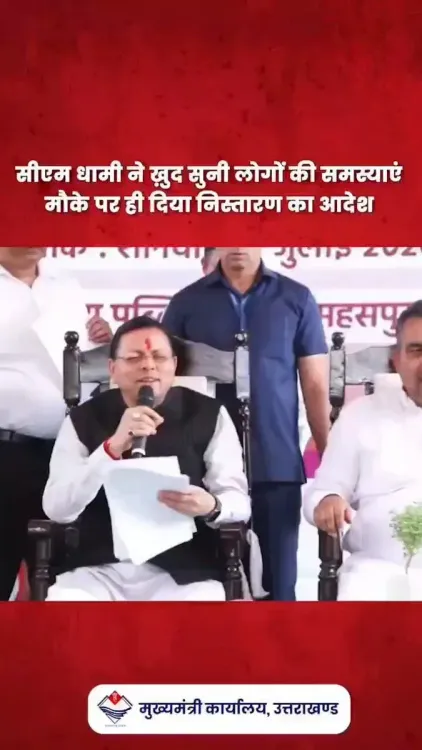
Chief Minister Pushkar Singh Dhami personally presided over a Jan Seva Shivir under the Seva, Sushasan evam Samarpan framework on 11 July 2026, resolving citizens' grievances on the spot — continuing his administration's emphasis on direct, accessible public administration across Uttarakhand.
Key Takeaways
CM Pushkar Singh Dhami attended a Jan Seva Shivir on 11 July 2026 and resolved public grievances in person.
The camp was organised under the Seva, Sushasan evam Samarpan (Service, Good Governance and Dedication) framework of the Uttarakhand government.
Jan Seva Shivirs are periodic grievance camps designed to provide on-the-spot resolution without requiring citizens to visit government offices.
Uttarakhand's hilly and remote geography makes such camp-based outreach especially significant for residents with limited access to district administration.
The initiative aligns with the broader national governance emphasis on direct-contact and technology-enabled service delivery since 2014 .
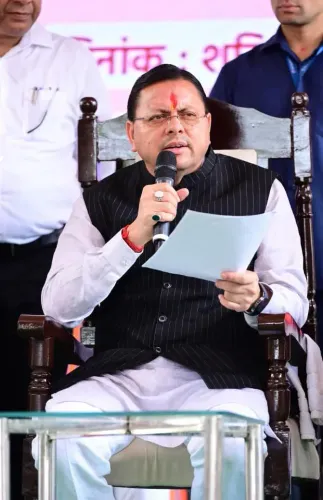
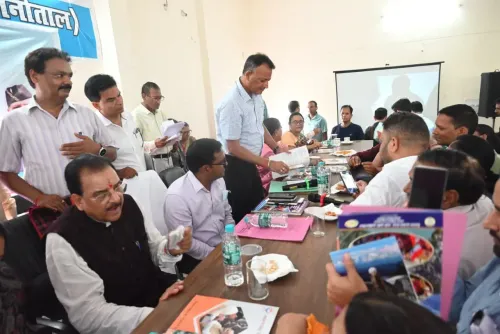
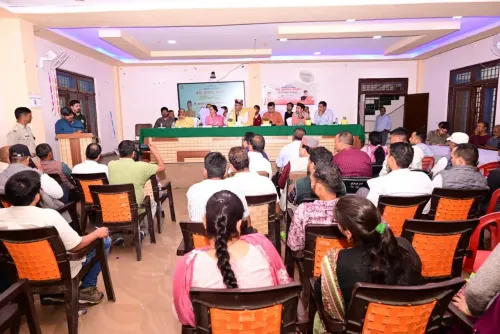
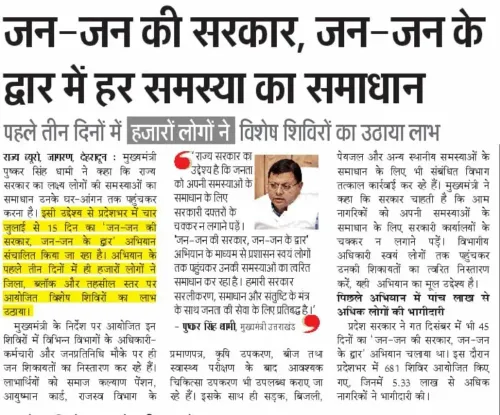
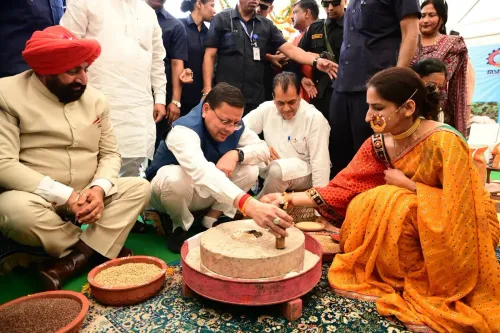
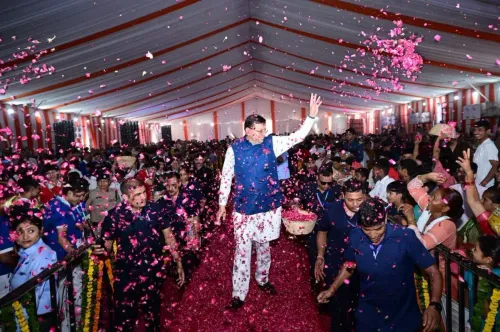
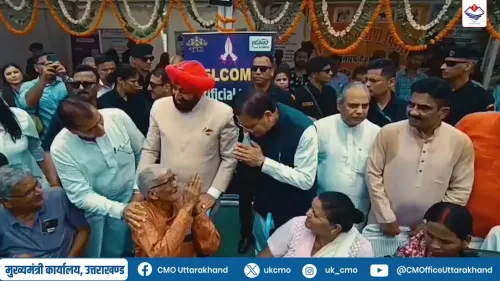
The Chief Minister's Office of Uttarakhand announced on Saturday, 11 July 2026 that Chief Minister Pushkar Singh Dhami personally attended a Jan Seva Shivir — a public grievance camp — organised under the state's Seva, Sushasan evam Samarpan (Service, Good Governance and Dedication) framework, resolving citizens' problems on the spot.
Context
The camp was held as part of the Uttarakhand government's ongoing Seva, Sushasan evam Samarpan initiative, a thematic governance framework that emphasises direct service delivery, administrative efficiency and public accountability. Chief Minister Dhami was present at the shivir and addressed grievances brought by residents in real time, without requiring complainants to navigate the conventional bureaucratic process.
The official post stated that CM Dhami 'mauqe par nistaran kiya' — resolved issues on the spot — signalling a hands-on approach to public administration that has become a recurring feature of his tenure since he assumed office in 2021.
Policy Backdrop
Jan Seva Shivirs are periodic public grievance camps in which state officials — and, in this case, the Chief Minister himself — travel to communities to hear complaints and issue immediate directives for resolution. The format is designed to reduce the backlog of pending grievances and to make administration accessible to citizens who may face geographic or logistical barriers in reaching government offices.
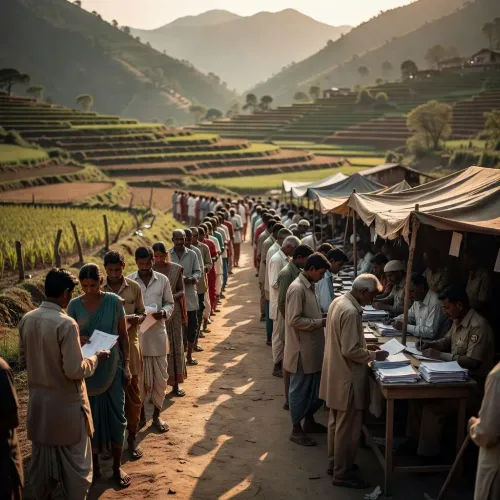
Uttarakhand, a Himalayan state carved out of Uttar Pradesh in 2000, has a significant proportion of its population spread across hilly and remote terrain, making conventional office-based grievance redressal difficult. Camp-based outreach has therefore been a recurring tool for successive state governments. The current administration has framed such camps explicitly within the Seva, Sushasan evam Samarpan umbrella, aligning state-level messaging with the broader national emphasis on 'maximum governance, minimum government.'
Stakeholders and Impact
The primary beneficiaries of the Jan Seva Shivir are Uttarakhand residents — particularly those from districts where physical distance from district headquarters or departmental offices creates delays in grievance resolution. District administration officials are also key stakeholders, as the camps generate direct accountability: when the Chief Minister presides, departmental officers are expected to commit to timelines in his presence.
For the Dhami administration, the shivirs serve a dual purpose: they demonstrate executive responsiveness and generate visible, community-level proof of governance delivery. The model has been replicated across several Indian states and is seen as an effective mechanism for reducing pendency in citizen-facing services such as land records, pensions, ration cards and utility connections.
What's Next
The Uttarakhand government's sustained emphasis on the Seva, Sushasan evam Samarpan framework suggests that Jan Seva Shivirs will continue to be rolled out across additional districts, with a likely focus on remote hill and border areas. Observers will watch whether outcomes from these camps — including the number of grievances resolved and departmental compliance rates — are formally reported in the next Uttarakhand legislative session or state budget, which would allow for independent assessment of the programme's reach and effectiveness.
Point of View
Sushasan evam Samarpan branding ties routine camp activity to a larger narrative of BJP-led responsive governance, making each shivir a micro-demonstration of the party's national pitch. The model is not new — camp-based grievance redressal predates the current administration — but the Chief Minister's direct participation raises the political stakes and creates real-time accountability for district officials. Whether the initiative translates into measurable, sustained reduction in grievance pendency will determine its long-term credibility beyond optics.
NationPress
11 Jul 2026
Frequently Asked Questions
What is a Jan Seva Shivir in Uttarakhand?
A Jan Seva Shivir is a public grievance camp organised by the Uttarakhand government where officials — and sometimes the Chief Minister — hear citizens' complaints and resolve them on the spot, without requiring visits to government offices.
What is the Seva Sushasan evam Samarpan initiative?
Seva, Sushasan evam Samarpan (Service, Good Governance and Dedication) is a thematic governance framework used by the Uttarakhand government to highlight its focus on service delivery, administrative efficiency and public accountability.
Who is Pushkar Singh Dhami?
Pushkar Singh Dhami is the Chief Minister of Uttarakhand, belonging to the Bharatiya Janata Party. He assumed office in 2021 and has prioritised direct public outreach and grievance redressal as core elements of his administration.
Why are grievance camps important in Uttarakhand?
Uttarakhand's mountainous terrain means many residents live far from district headquarters and government offices. Grievance camps bring administration directly to communities, making it easier for people in remote areas to access services and have complaints resolved quickly.
How often does Uttarakhand hold Jan Seva Shivirs?
Jan Seva Shivirs are held periodically across districts in Uttarakhand. The frequency and locations are determined by the state government, with a focus on ensuring coverage of hilly and border areas that are harder to reach.