CM Dhami's govt scheme empowers Pithoragarh's Noorien Bano
Synopsis
The Uttarakhand Chief Minister's Office on 25 June 2026 spotlighted Noorien Bano of Pithoragarh as a success story of women's self-reliance, crediting CM Pushkar Singh Dhami's state welfare schemes and the Aatmanirbhar Bharat framework for enabling her achievement.
Key Takeaways
The Chief Minister's Office of Uttarakhand posted on 25 June 2026 about Noorien Bano of Pithoragarh as a women empowerment success story.
Noorien Bano is credited with turning her aspirations into reality through a state government scheme and personal determination.
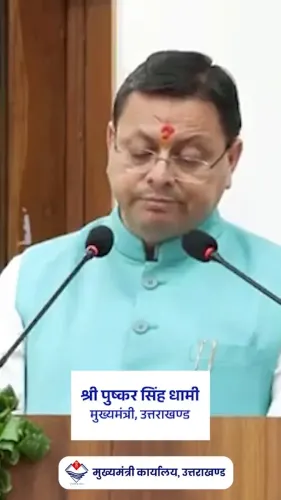
The post was made under the leadership of Chief Minister Pushkar Singh Dhami , who has governed Uttarakhand since 2021 .
Pithoragarh is a remote hill district bordering Nepal and Tibet, historically underserved in terms of livelihood infrastructure for women.
The initiative aligns with the national Aatmanirbhar Bharat framework launched in May 2020 to promote self-reliance and entrepreneurship.
State budget allocations for women's self-help groups and district-level impact data will be key indicators of programme scale in coming months.
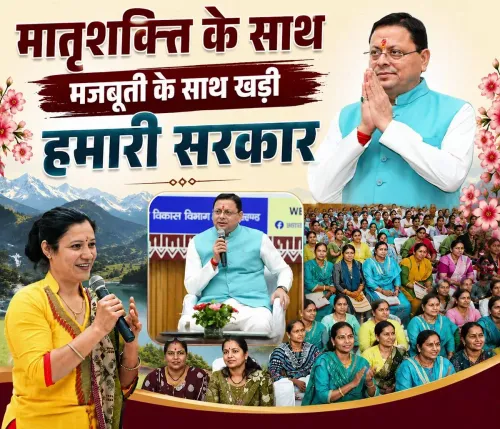
The Chief Minister's Office of Uttarakhand on Thursday, 25 June 2026 highlighted the story of Noorien Bano, a resident of Pithoragarh, as a living example of how state government schemes under Chief Minister Pushkar Singh Dhami are helping women in remote hill districts turn personal aspirations into reality.
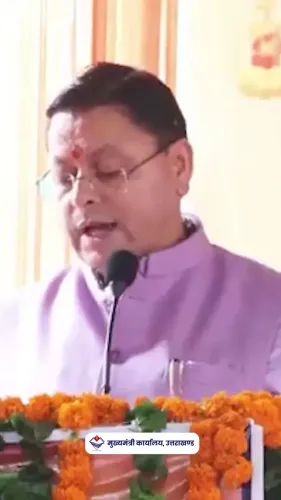
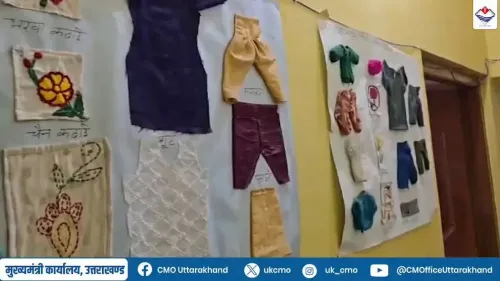
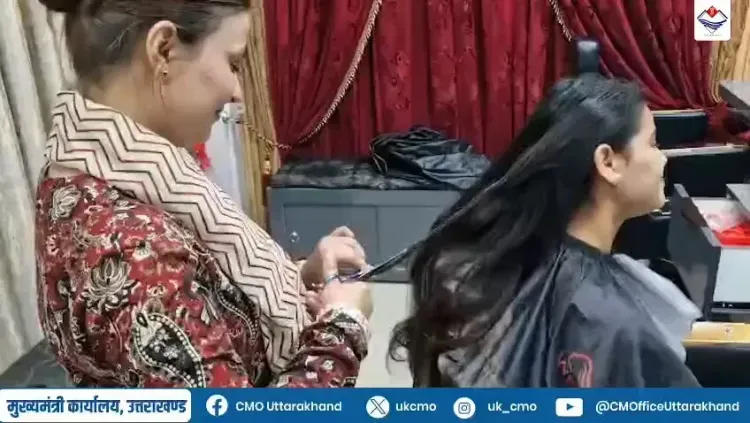
Posting on X, the official account of the Chief Minister's Office stated that Noorien Bano, through the support of a state government scheme and her own dedication, has 'अपने सपनों को हकीकत में बदलने की कामयाब मिसाल पेश की है' ('set a successful example of turning her dreams into reality'). The post was accompanied by a video and tagged under #WomenEmpowerment, #AatmanirbharBharat, and #Pithoragarh.
Context
Pithoragarh is a remote, high-altitude district in Uttarakhand that shares borders with Nepal and Tibet. Geographical isolation and limited economic infrastructure have historically made livelihood generation difficult for women in the region. The Uttarakhand government has periodically spotlighted individual beneficiaries from border districts to demonstrate the on-ground reach of welfare and self-reliance programmes in areas that are logistically challenging to serve. Noorien Bano's story, as presented by the Chief Minister's Office, represents one such case — a woman from a geographically difficult district credited with achieving self-sufficiency through a combination of state support and personal resolve.Policy Backdrop
The post references the broader Aatmanirbhar Bharat framework, the national self-reliance initiative announced by the Government of India in May 2020. The campaign was designed to promote entrepreneurship, local production, and individual enterprise across the country, with states expected to align their own welfare and livelihood programmes with its objectives. Under Chief Minister Pushkar Singh Dhami, who has led Uttarakhand since 2021, the state has run parallel women-focused livelihood and skill development programmes. These initiatives broadly follow a model common across Indian states since the mid-2010s — combining central government messaging on self-reliance with state-level support for micro-enterprises and women's self-help groups.Stakeholders and Impact
The primary beneficiaries of such schemes are rural women and women entrepreneurs in Uttarakhand's hill districts. By featuring Noorien Bano as a success story, the state government signals that its outreach is penetrating even geographically isolated communities. For women in border districts like Pithoragarh, access to scheme benefits can be transformative given the limited availability of formal employment and credit infrastructure in the region. The video accompanying the post — while not independently verified — appears intended to personalise policy outcomes and build awareness among potential beneficiaries who may not yet be enrolled in state welfare programmes.What's Next
Attention will now turn to whether the Uttarakhand government releases a broader district-level impact assessment of its women's livelihood schemes, particularly for border districts like Pithoragarh. State budget allocations for women's self-help groups in the coming months will be a key indicator of how seriously the government intends to scale such interventions beyond individual success stories. If the administration follows through with measurable programme data, it could set a template for other hill states grappling with similar challenges of reach and inclusion.Point of View
The absence of verifiable programme data leaves the broader impact of these schemes open to scrutiny. The real test will be whether such stories are backed by systemic, measurable improvements in women's economic participation across Uttarakhand's hill districts.
NationPress
24 Sept 2026
Frequently Asked Questions
Who is Noorien Bano from Pithoragarh?
Noorien Bano is a resident of Pithoragarh district in Uttarakhand who has been highlighted by the Chief Minister's Office as a success story of women's self-reliance achieved through a state government welfare scheme and personal dedication.
What is the Aatmanirbhar Bharat scheme?
Aatmanirbhar Bharat is a national self-reliance initiative launched by the Government of India in May 2020 to promote entrepreneurship, local production, and individual enterprise, with state governments aligning their own welfare programmes to its objectives.
What schemes does Uttarakhand run for women empowerment?
Uttarakhand runs women-focused livelihood and skill development programmes that broadly align with the central Aatmanirbhar Bharat framework, targeting rural women and micro-entrepreneurs, particularly in geographically remote hill districts.
Who is Pushkar Singh Dhami?
Pushkar Singh Dhami is the Chief Minister of Uttarakhand, serving since 2021. His administration has emphasised welfare outreach and women's self-reliance schemes, particularly in border and hill districts of the state.
Why is Pithoragarh significant for welfare schemes?
Pithoragarh is a remote, high-altitude district in Uttarakhand bordering Nepal and Tibet. Its geographical isolation makes it a focus area for state livelihood schemes, and the government frequently highlights successes from the district to demonstrate programme reach in difficult terrain.