CM Dhami Slams Congress Over Women's Empowerment Record
Synopsis
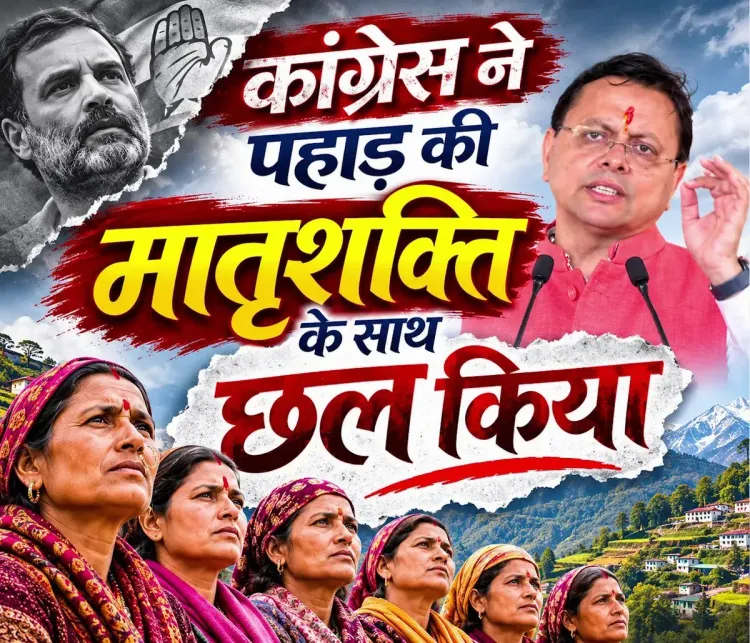
Uttarakhand CM Pushkar Singh Dhami accused Congress of spreading 'illusions' on women's empowerment and politicising the sensitive Ankita Bhandari case, calling for responsibility over rhetoric on women's honour and justice.
Key Takeaways
CM Pushkar Singh Dhami accused Congress of making no substantive contribution to women's empowerment during its governance tenures.
Dhami said Congress is 'spreading illusions in the name of women power' even today.
He called the party's political use of the Ankita Bhandari case — the 2022 death of a 19-year-old in Uttarakhand — 'unfortunate.' Dhami argued that issues of women's dignity and justice must be handled with sensitivity and responsibility, not partisan politics.
The statement reflects an ongoing BJP–Congress contest over women's welfare records in Uttarakhand ahead of future electoral cycles.
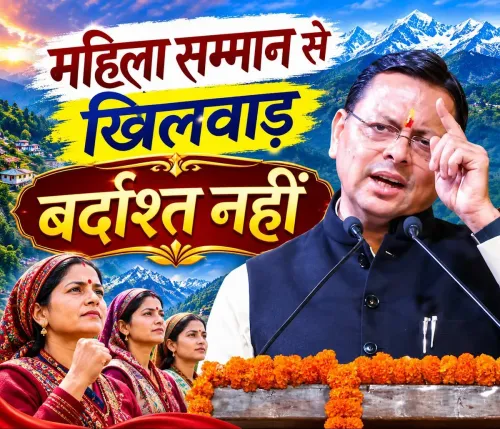
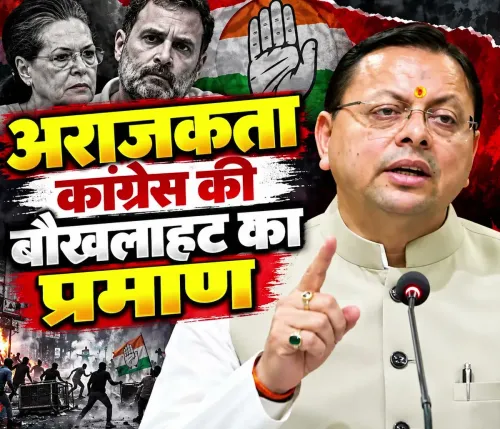
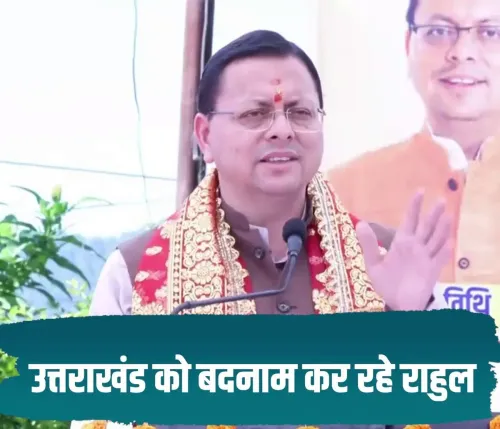
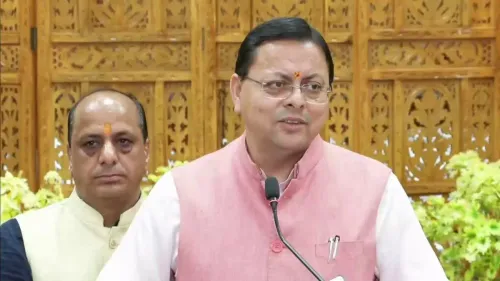
Uttarakhand Chief Minister Pushkar Singh Dhami fired a pointed political salvo at the Indian National Congress on Sunday, November 15, 2026, accusing the opposition party of exploiting women's issues for electoral gain while doing little for them during its own tenures in power.
Dhami's Charge: Illusion Over Action
In a post on X, CM Dhami said in Hindi: 'Mahilaon ke hitton ki andekhi karne wali Congress aaj bhi matrashakti ke naam par bhram failane ka prayas kar rahi hai' — 'Congress, which ignored the interests of women, is even today attempting to spread illusions in the name of women power.' He argued that the party failed to pursue any substantive initiative for women's uplift or empowerment during its time in government, reducing welfare rhetoric to what he called a political smokescreen.
The charge is a familiar axis in BJP–Congress exchanges across Indian states: each side contesting the other's record on women's safety, economic inclusion, and social justice. What sharpened this particular statement was the name Dhami chose to invoke.
The Ankita Bhandari Reference
Ankita Bhandari, a 19-year-old from Uttarakhand, died in 2022 in a case that sparked widespread public protests and a sustained demand for justice on women's safety in the state. The case drew intense political attention — and criticism was directed at the Dhami government itself over the pace of accountability.
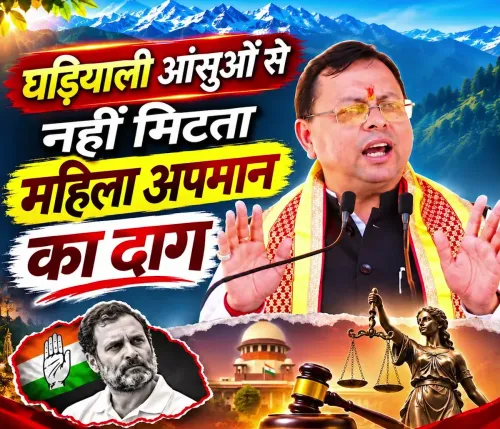
Dhami directly addressed this on Sunday, calling Congress's handling of the Bhandari episode 'unfortunate.' 'Such a sensitive incident was used for politics,' he wrote, arguing that grave matters of women's honour and justice demand sensitivity and responsibility — not partisan point-scoring.
Who Is Speaking, and Why It Matters
The statement comes from the top of Uttarakhand's ruling establishment. Dhami, who has led the state since 2021 and steered the BJP to victory in the 2022 assembly elections, has consistently projected women's welfare as a governance pillar. His government has linked itself to central schemes such as 'Beti Bachao Beti Padhao' and state-level welfare programmes, though critics have questioned the speed of justice delivery in high-profile cases.
By invoking the Ankita Bhandari case, Dhami is simultaneously defending his government's record and going on offence — daring Congress to debate women's welfare on the merits rather than through what he frames as opportunistic mobilisation.
The question now is whether Congress responds in kind, and whether this exchange foreshadows a sharper contest over women's issues in Uttarakhand's next political cycle. In a state where assembly elections are a constant backdrop, the battle over who truly speaks for women may be just getting started.
Point of View
Dhami is deploying a double-edged political strategy — pre-empting opposition attacks on his own government's accountability while repositioning himself as the credible voice on women's dignity. The move is consistent with a wider BJP pattern of framing women's empowerment as a governance achievement rather than an unfinished obligation. However, it also carries risk: the Bhandari case drew criticism of the Dhami administration itself, meaning the reference could keep that scrutiny alive. How Congress responds will signal whether Uttarakhand's next political cycle turns substantially on women's safety, or whether this remains a rhetorical exchange without policy stakes.
NationPress
15 Nov 2026
Frequently Asked Questions
What did CM Dhami say about Congress and women's empowerment?
CM Pushkar Singh Dhami said Congress made no concrete effort for women's uplift during its governance and continues to 'spread illusions in the name of women power,' using women's issues for political benefit.
What is the Ankita Bhandari case that Dhami mentioned?
Ankita Bhandari was a 19-year-old from Uttarakhand whose death in 2022 sparked widespread protests and political debate about women's safety and justice delivery in the state.
Why did Dhami bring up Ankita Bhandari in this post?
Dhami accused Congress of using the sensitive Ankita Bhandari case for political purposes, calling it 'unfortunate' and saying such issues demand sensitivity and responsibility, not partisanship.
Is CM Dhami criticising Congress over Uttarakhand specifically?
Yes, the criticism is rooted in Uttarakhand's political landscape, though Dhami's remarks also broadly challenge Congress's national record on women's welfare schemes and policy.
What is the BJP's women's welfare stance in Uttarakhand?
CM Dhami and the BJP have positioned themselves as champions of women's empowerment through central schemes like Beti Bachao Beti Padhao and state-level welfare programmes, while contesting the opposition's credibility on the issue.