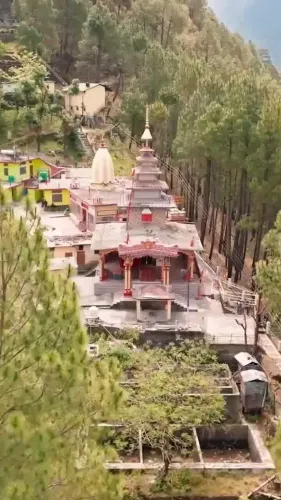
CM Dhami Spotlights Ganesh Temple at Dodital, Uttarkashi
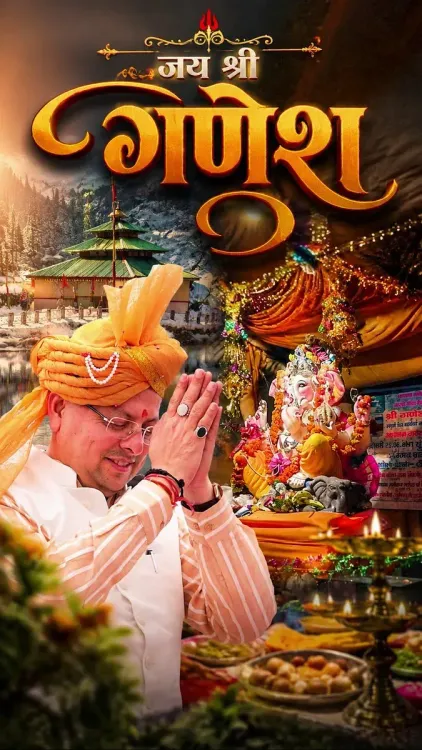
Synopsis
Uttarakhand Chief Minister Pushkar Singh Dhami on 22 July 2026 used X to spotlight the Shri Ganesh Mandir at Dodital in Uttarkashi, describing it as a sacred confluence of faith, peace, and nature, and urging visitors to the district to include the high-altitude shrine in their itinerary.
Key Takeaways
CM Pushkar Singh Dhami promoted the Shri Ganesh Mandir at Dodital in Uttarkashi via X on 22 July 2026 .
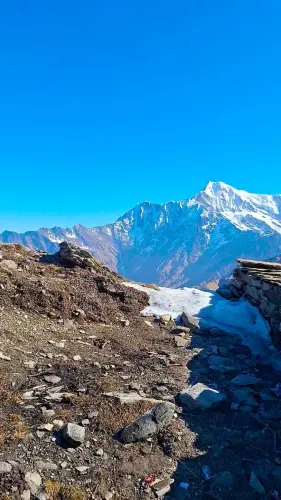
Dodital is an alpine lake at roughly 3,000 metres in Uttarkashi, surrounded by oak and deodar forests.
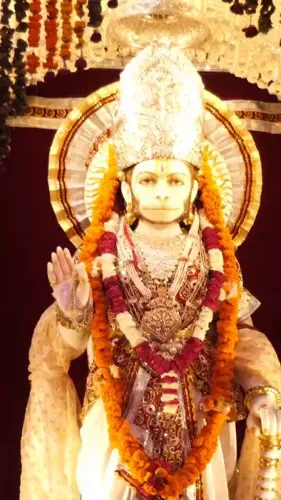
The temple is associated with Lord Ganesha and is part of both pilgrimage and trekking circuits in the region.
Uttarakhand tourism policy since 2014 has prioritised secondary religious sites to reduce pressure on the Char Dham route.
Local residents, pilgrims, and domestic trekkers stand to benefit from increased attention to the site.
Footfall data from the Uttarakhand Tourism Development Board for 2026 will indicate the impact of such promotional efforts.
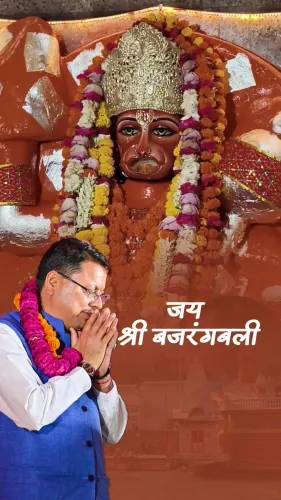
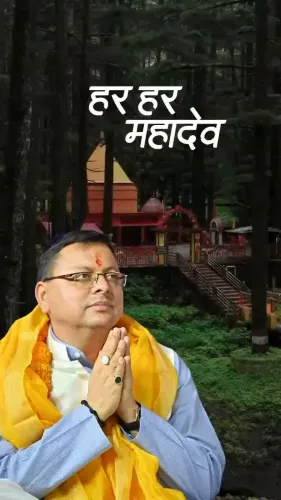
Uttarakhand Chief Minister Pushkar Singh Dhami on Wednesday, 22 July 2026 took to X to highlight the Shri Ganesh Mandir at Dodital in Uttarkashi district, calling it a sacred confluence of faith, peace, and nature and urging visitors to the region to make a stop at the shrine.
In his post, Dhami described the temple as 'aastha, shanti aur prakriti ke adbhut sangam ka paavan kendra' ('a holy centre of the wonderful confluence of faith, peace, and nature'), situated near the serene Dodital lake amid dense green forests and mountain peaks. He invited devotees to visit the temple whenever they travel to Uttarkashi.
Context
Dodital is an alpine lake perched at roughly 3,000 metres above sea level in Uttarkashi district, ringed by oak and deodar forests. The Shri Ganesh Mandir beside the lake draws pilgrims who associate the site with Lord Ganesha and seek its high-altitude calm. The lake also sits along established trekking circuits, making it attractive to both religious visitors and adventure tourists.
Uttarkashi is one of Uttarakhand's principal Himalayan districts and hosts major pilgrimage destinations including Gangotri and Yamunotri. Its economy is closely tied to seasonal religious tourism, and secondary sites like Dodital are seen as opportunities to spread visitor footfall beyond the main shrines.
Policy Backdrop
Uttarakhand's tourism policy direction since 2014 has explicitly prioritised the development of secondary religious sites and eco-circuits as a way to ease overcrowding on the Char Dham route. State authorities have paired such promotional outreach with road upgrades and basic-amenity improvements under tourism and rural-development schemes.
Dhami's social-media post fits squarely within this diversification strategy. Himalayan state governments have increasingly used official channels to spotlight lesser-known temples and lakes, mirroring similar outreach by neighbouring states competing for pilgrimage and leisure spending from domestic tourists.
Stakeholders and Impact
The primary beneficiaries of heightened attention to Dodital are pilgrims, domestic trekkers, and the residents of Uttarkashi whose livelihoods depend on hospitality, guiding, and allied services. A surge in interest following official promotion can translate into increased spending in local markets, tea stalls, and guesthouses along the trekking route.
At the same time, ecologists and forest managers keep a close watch on high-altitude lakes in the region. Any sharp rise in footfall at a fragile alpine site like Dodital would require proportionate investment in waste management and trail maintenance to prevent environmental degradation.
What's Next
The Uttarakhand Tourism Development Board is expected to release footfall data for the 2026 season, which will indicate whether official promotion of secondary sites like Dodital is translating into measurable visitor growth. Announcements on last-mile connectivity improvements — road access, signage, or basic facilities on the Dodital trek — would signal the state's intent to back promotional messaging with infrastructure investment.
For now, Dhami's post adds Dodital to a growing list of Uttarakhand sites receiving official amplification, reinforcing the state's push to position itself as a year-round, multi-destination pilgrimage and nature-tourism hub.
Point of View
The state simultaneously serves a devotional constituency and a growing adventure-tourism market. The move aligns with a multi-year policy arc that pairs digital promotion with on-ground infrastructure upgrades at secondary religious sites. Whether this translates into sustained footfall or remains seasonal amplification will depend on the state's follow-through on last-mile connectivity.
NationPress
22 Jul 2026
Frequently Asked Questions
Where is Dodital and how do I reach it?
Dodital is an alpine lake in Uttarkashi district of Uttarakhand, situated at roughly 3,000 metres above sea level. It is accessible via a trek from Sangamchatti or Agoda villages near Uttarkashi town, which is connected by road to Rishikesh and Dehradun.
What is the significance of the Ganesh Mandir at Dodital?
The Shri Ganesh Mandir at Dodital is revered as a sacred site associated with Lord Ganesha , set beside the serene Dodital lake amidst oak and deodar forests. Devotees visit for its high-altitude spiritual atmosphere and scenic natural surroundings.
Why did CM Dhami promote Dodital on social media?
CM Pushkar Singh Dhami promoted Dodital as part of Uttarakhand's broader strategy to highlight secondary religious and nature sites, reducing overcrowding on the main Char Dham route and boosting tourism revenue for local communities in Uttarkashi .
Is Dodital safe for trekking and pilgrimage visits?
Dodital is a well-established trekking and pilgrimage destination in Uttarakhand. Visitors are advised to check trail conditions seasonally, carry appropriate gear for high-altitude terrain, and follow guidelines from the Uttarakhand Tourism Development Board .
What other pilgrimage sites are near Dodital in Uttarkashi?
Uttarkashi district is home to major pilgrimage destinations including Gangotri and Yamunotri , two of the four shrines in the Char Dham circuit, making it a hub for religious tourism in the Himalayas.