India–NZ Free Trade Agreement expected soon, bilateral trade to double by 2030

Synopsis
New Zealand's Trade Commissioner Graham Rouse says bilateral trade between India and New Zealand has already doubled since 2023 — and with an FTA imminent and a new Strategic Partnership in place, he expects it to double again by 2030. Nearly 100% of Indian exports would get tariff-free access, with electronics, pharma, textiles, and IT services among the biggest winners.
Key Takeaways
New Zealand Trade Commissioner Graham Rouse confirmed the India–New Zealand FTA is expected to come into force soon.
The two countries have elevated ties to a Strategic Partnership , with a shared target to double bilateral trade by 2030 .
Bilateral trade between India and New Zealand already doubled between 2023 and the date of Rouse's remarks.
Nearly 100 per cent of Indian exports to New Zealand would receive tariff-free access under the FTA.
Key beneficiary sectors include electronics, pharmaceuticals, engineering goods, apparel, textiles, footwear, IT, healthcare, and education .
New Zealand's Trade Commissioner and Consul-General to India and South Asia, Graham Rouse, said on Wednesday, 22 July that the proposed India–New Zealand Free Trade Agreement (FTA) is expected to come into force soon, and that — alongside the newly elevated Strategic Partnership between the two nations — it is poised to help double bilateral trade by 2030. Rouse made the remarks in an interview in Mumbai, calling the development a historic milestone in the economic relationship between the two countries.
Strategic Partnership: A New Foundation
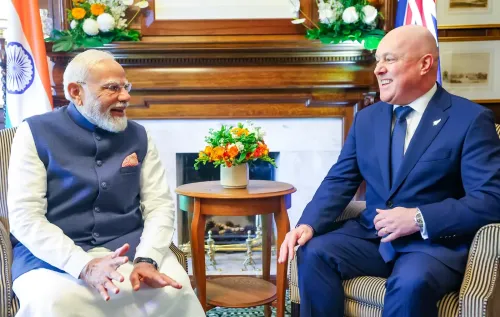
Rouse described the elevation of India–New Zealand ties to a Strategic Partnership as the most significant outcome of the recent high-level engagement between the two governments. He said the partnership establishes a shared ambition and a strong institutional foundation for expanding cooperation across trade, investment, and services.
'There were many important aspects to this visit. In addition to being a historic occasion, several historic agreements were reached, the most significant being the elevation of the India–New Zealand relationship to a Strategic Partnership. What is especially exciting for me is that this partnership includes a shared ambition to double bilateral trade by 2030,' Rouse said.
Why the Trade Doubling Target Is Realistic
While the 2030 trade doubling target may sound ambitious on paper, Rouse argued that recent momentum makes it achievable. He noted that bilateral trade between India and New Zealand had already doubled during his tenure in India since 2023 — before the FTA even comes into force.
'With a Free Trade Agreement also expected to come into force soon, the target of doubling trade again by 2030 appears both realistic and achievable,' he added. This comes amid a broader global trend of India accelerating its FTA negotiations, having recently concluded agreements with the UAE and Australia and advancing talks with the UK and the EU.
Key Beneficiaries: Indian Sectors in Focus
Rouse highlighted that nearly 100 per cent of Indian exports to New Zealand would enjoy tariff-free access under the proposed FTA, making Indian goods significantly more competitive in the New Zealand market. The sectors expected to benefit most include:
Manufacturing — electronics, pharmaceuticals, and engineering goods — as well as labour-intensive industries such as apparel, textiles, footwear, and leather. On the services side, sectors including information technology, healthcare, and education are also expected to receive a meaningful boost under the agreement.
What This Means for India's Trade Strategy
The India–New Zealand FTA, if finalised, would add another significant bilateral agreement to India's expanding trade architecture. Notably, the inclusion of services — particularly IT and healthcare — signals a more comprehensive deal than traditional goods-only frameworks. For India's export-oriented manufacturing base, tariff-free access to the New Zealand market could open new diversification pathways beyond traditional destinations in the US, EU, and Southeast Asia.
With the FTA timeline described as imminent and the Strategic Partnership now formally in place, both governments appear to be moving with unusual speed on implementation — a signal that the political will on both sides is strong.
Point of View
Given how modest India–New Zealand trade volumes have historically been. The real test of the Strategic Partnership will be whether the FTA's services chapters deliver for Indian IT and healthcare professionals, sectors where market-access commitments often fall short of headline promises. India's FTA track record is mixed: the Australia ECTA showed early promise, but utilisation rates by Indian exporters remain below potential. The 2030 doubling target is achievable in percentage terms precisely because the starting base is low — mainstream coverage should be careful not to conflate percentage growth with absolute trade significance.
NationPress
21 Oct 2026
Frequently Asked Questions
What is the India–New Zealand Free Trade Agreement?
The India–New Zealand FTA is a proposed bilateral trade deal under which nearly 100 per cent of Indian exports to New Zealand would receive tariff-free access. It covers goods across manufacturing and labour-intensive sectors, as well as services including IT, healthcare, and education, and is expected to come into force soon.
What is the India–New Zealand Strategic Partnership?
The Strategic Partnership is a newly elevated framework for bilateral relations between India and New Zealand, agreed during a recent high-level visit. It establishes a shared ambition to double bilateral trade by 2030 and provides a foundation for expanded cooperation across trade, investment, and services.
Why does Graham Rouse believe the 2030 trade doubling target is achievable?
Rouse noted that bilateral trade between India and New Zealand had already doubled during his posting in India since 2023, even before the FTA comes into force. He argued that the addition of the FTA makes a further doubling by 2030 both realistic and achievable.
Which Indian sectors will benefit most from the India–NZ FTA?
The biggest beneficiaries are expected to be manufacturing sectors — electronics, pharmaceuticals, and engineering goods — alongside labour-intensive industries such as apparel, textiles, footwear, and leather. Services sectors including IT, healthcare, and education are also expected to gain from the agreement.
How does the India–New Zealand FTA fit into India's broader trade strategy?
The India–NZ FTA would be one of several bilateral agreements India has been pursuing or finalising, including deals with the UAE, Australia, and ongoing negotiations with the UK and EU. It adds a new market-access pathway for Indian exporters and signals India's intent to diversify its trade partnerships beyond traditional destinations.