India-New Zealand FTA: Modi, Luxon push for early rollout, NZ$7 bn trade by 2030
Synopsis
Modi and Luxon didn't just sign a trade deal — they put a clock on it. With the India-New Zealand FTA already inked on 27 April 2025, both leaders are now pushing for early implementation, a NZ$7 billion trade target by 2030, and direct non-stop flights. From dairying to biofuels, the partnership is wider than most bilateral frameworks India has activated this year.
Key Takeaways
PM Narendra Modi and PM Christopher Luxon on 11 July committed to fast-tracking the India-New Zealand FTA signed on 27 April 2025 .
Bilateral trade target set at NZ$7 billion (₹35,000 crore) in goods and services by 2030 — double the current level.
The FTA removes tariffs on 100% of India's exports to New Zealand and reduces or eliminates duties on 95% of New Zealand's exports to India.
Both sides agreed to operationalise the 2025 AEO-MRA under the 2024 Customs Cooperation Arrangement to simplify customs processes.
Leaders agreed to encourage airlines to launch direct non-stop flights under the updated Air Services Agreement .
Cooperation extended to horticulture, forestry, animal husbandry, dairying, tourism, maritime, and the Global Biofuels Alliance .
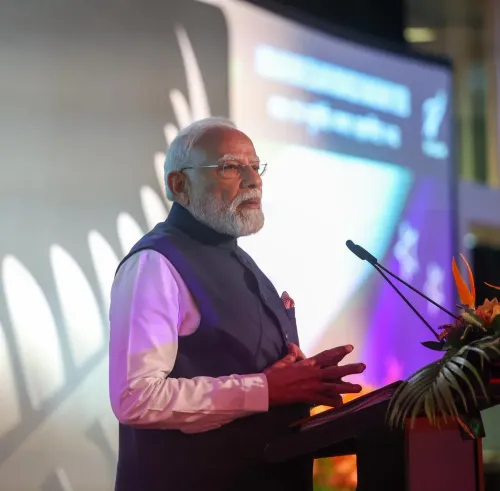
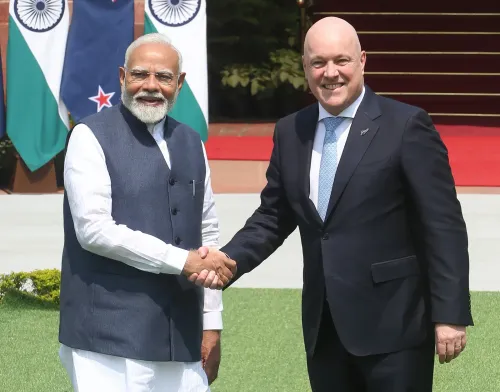
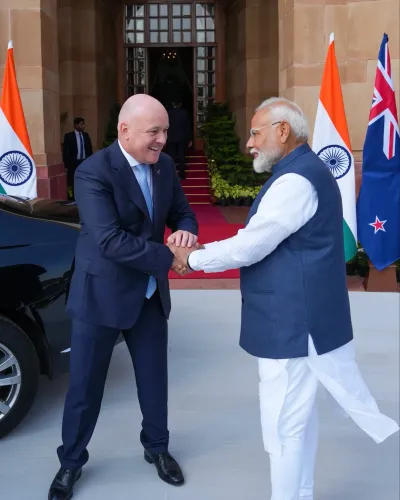
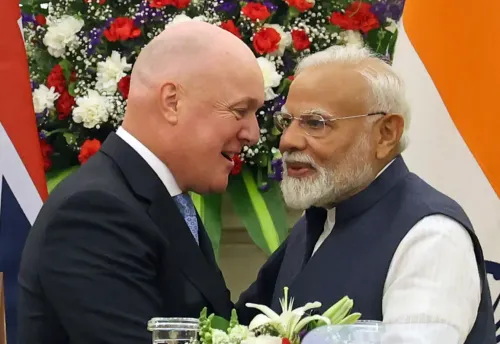
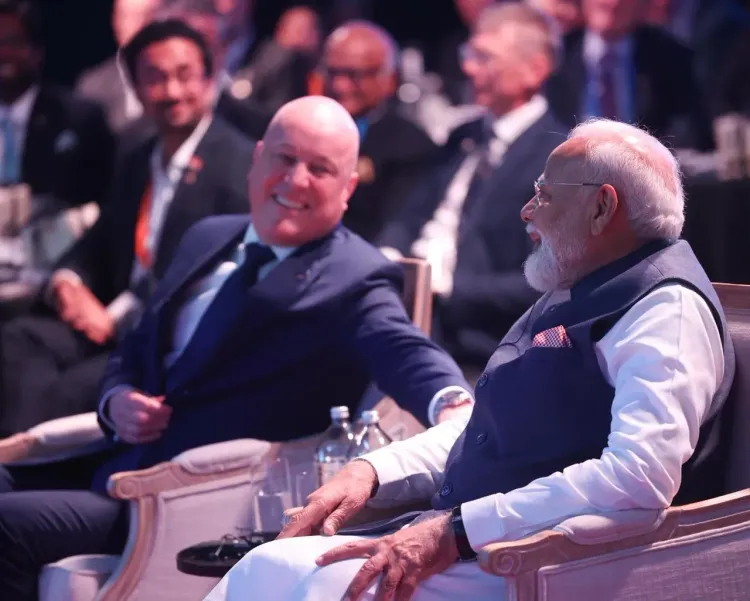
Prime Minister Narendra Modi and his New Zealand counterpart Prime Minister Christopher Luxon on Saturday, 11 July committed to accelerating the implementation of the India-New Zealand Free Trade Agreement (FTA), with both sides agreeing to work toward its early entry into force. The leaders also set a joint target of doubling bilateral goods and services trade to NZ$7 billion (approximately ₹35,000 crore) by 2030.
What the FTA Covers
The India-New Zealand FTA, signed on 27 April 2025, eliminates tariffs on 100 per cent of India's exports to New Zealand. On the other side, it either sharply reduces or removes duties on 95 per cent of New Zealand's exports to India. The agreement is among the most comprehensive trade deals India has concluded in recent years, covering a wide spectrum of goods and services.
To further ease cross-border commerce, both governments agreed to operationalise the 2025 Authorised Economic Operators Mutual Recognition Arrangement (AEO-MRA) under the framework of the 2024 Customs Cooperation Arrangement (CCA). The move is designed to streamline customs procedures and facilitate trusted, low-friction trade between the two nations.
Sectoral Cooperation: Agriculture, Forestry and Dairying
According to an official joint statement, both sides agreed to implement the 2025 Memorandum of Cooperation on Horticulture, which will advance joint research, knowledge exchange, post-harvest innovation, and market development. They also decided to activate the 2025 Letter of Intent on Forestry Cooperation through sustained policy dialogue and technical exchanges.
In a sector of particular strategic importance, the two countries committed to implementing the Memorandum of Cooperation on Animal Husbandry and Dairying to deepen technical and policy collaboration — an area where New Zealand holds globally recognised expertise and India has significant domestic demand.
Tourism, Aviation and Maritime Links
On connectivity, both nations agreed to operationalise a Memorandum of Arrangement on Tourism aimed at promoting two-way visitor flows and industry cooperation. Notably, the leaders agreed to encourage airlines to launch direct, non-stop flights between the two countries under the updated Air Services Agreement — a step that could meaningfully reduce travel time and boost people-to-people ties.
Both sides also decided to continue dialogue between India's Directorate General of Shipping and Maritime New Zealand on the mutual recognition of seafarer competency certificates, supporting both nations' maritime industries.
Energy and the Path Ahead
In a forward-looking move, India and New Zealand agreed to engage with the Global Biofuels Alliance to support sustainable energy transitions — aligning with India's broader clean energy ambitions. This comes amid growing global momentum around biofuels as a transition fuel, and India's active role in building multilateral coalitions around the issue since the G20 New Delhi Summit.
With the FTA framework now in place and a clear bilateral trade target set, the focus shifts to implementation timelines, regulatory alignment, and whether direct air connectivity can be established before the 2030 deadline.
Point of View
However, is also a risk: wide-ranging cooperation frameworks often stall at the implementation stage without clear timelines and accountability mechanisms. The push for direct non-stop flights is the single most tangible near-term deliverable, and its success will be an early litmus test for whether this partnership moves beyond communiqué diplomacy. India's trade deal pipeline has expanded sharply in recent years, but the gap between signing and operationalisation remains a persistent weak point.
NationPress
9 Oct 2026
Frequently Asked Questions
What is the India-New Zealand Free Trade Agreement?
The India-New Zealand Free Trade Agreement (FTA), signed on 27 April 2025, eliminates tariffs on 100 per cent of India's exports to New Zealand and reduces or removes duties on 95 per cent of New Zealand's exports to India. It is one of the most comprehensive bilateral trade deals India has concluded in recent years.
What is the bilateral trade target set by India and New Zealand?
Prime Ministers Modi and Luxon have set a target of doubling two-way trade in goods and services to NZ$7 billion (approximately ₹35,000 crore) by 2030. The commitment was made during their meeting in Auckland on 11 July.
What is the AEO-MRA and why does it matter?
The Authorised Economic Operators Mutual Recognition Arrangement (AEO-MRA) is a 2025 agreement that allows trusted traders certified by one country to receive expedited customs treatment in the other. Operationalised under the 2024 Customs Cooperation Arrangement, it is designed to reduce border delays and facilitate smoother trade flows between India and New Zealand.
Will there be direct flights between India and New Zealand?
Both governments agreed to encourage airlines to commence direct, non-stop flights under the updated Air Services Agreement. No specific airline or launch date has been announced yet, but the move is seen as a key step toward boosting tourism and people-to-people connectivity.
Which sectors are covered under the new cooperation agreements?
Beyond tariff liberalisation, the two countries signed or activated cooperation frameworks covering horticulture, forestry, animal husbandry and dairying, tourism, maritime (including seafarer certificate recognition), and clean energy through the Global Biofuels Alliance.