PM Modi invites New Zealand investors to partner India across 8 key sectors
Synopsis
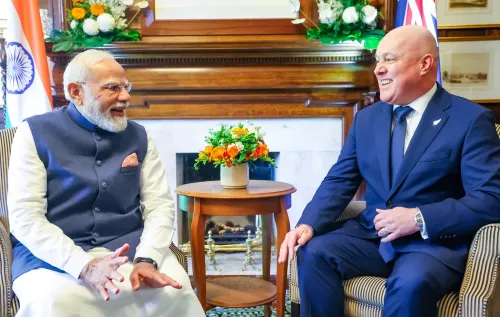
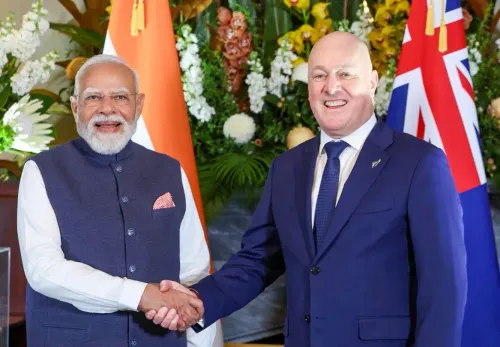
Standing alongside New Zealand PM Christopher Luxon in Auckland, Modi didn't just pitch India — he laid out a sector-by-sector roadmap: eight industries, a NZ$7 billion trade target by 2030, and an FTA described as a landmark deal. The subtext is clear: India is repositioning itself as the Indo-Pacific's most investable large economy, and it wants New Zealand's dairy science, horticulture, and capital to help prove it.
Key Takeaways
PM Modi invited New Zealand investors to partner India in 8 sectors : infrastructure, civil aviation, logistics, clean energy, urban mobility, water management, waste management, and digital economy.
Bilateral trade target set at NZ$7 billion (approximately ₹35,000 crore ) by 2030 — double current levels.
The India-New Zealand Free Trade Agreement (FTA) was described by Modi as a landmark deal enabling market access, investment, and talent mobility.
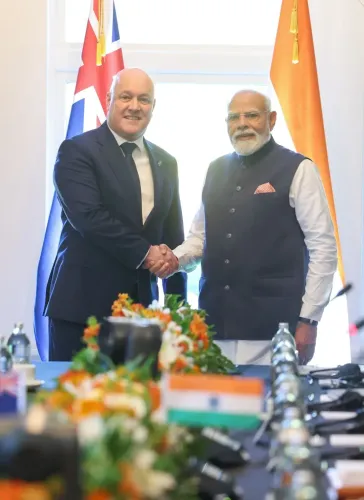
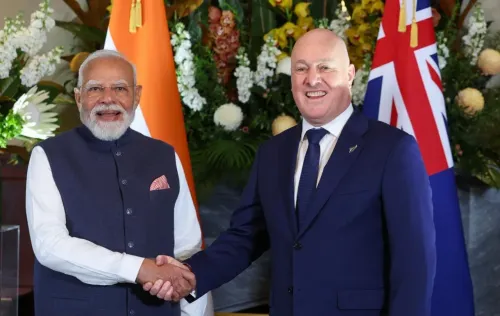
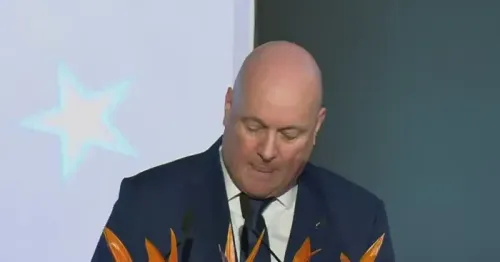
New Zealand PM Christopher Luxon was present at the Auckland CEO roundtable.
Modi highlighted convergence in dairy science, horticulture, and forestry with India's agri-tech and food park ecosystem to build global food value chains.
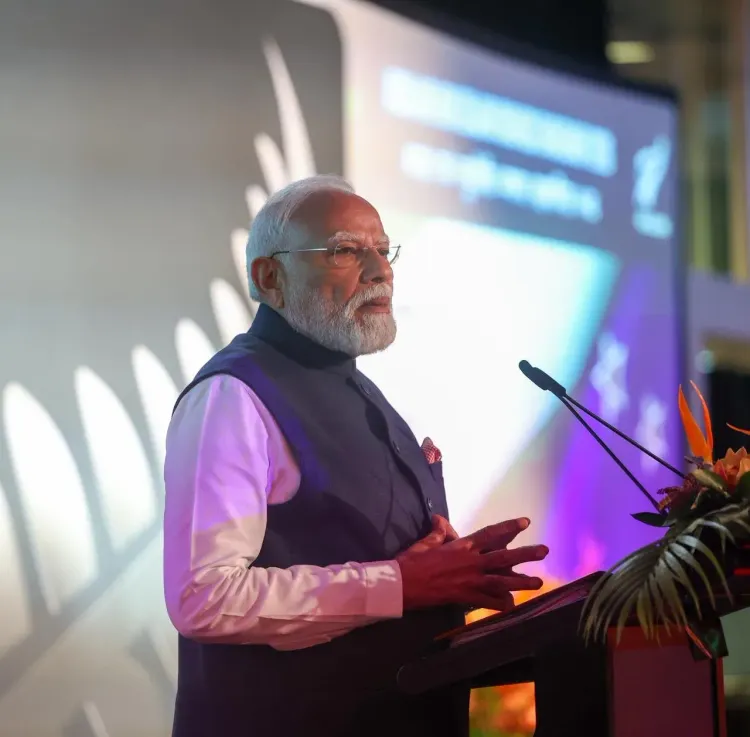
Prime Minister Narendra Modi on Saturday, 11 July extended a direct invitation to New Zealand investors and business leaders to partner India across eight priority sectors — infrastructure, civil aviation, logistics, clean energy, urban mobility, water management, waste management, and the digital economy. The outreach, made in Auckland, signals a deliberate push to convert diplomatic goodwill into bankable commercial partnerships.
Key Sectors on the Table
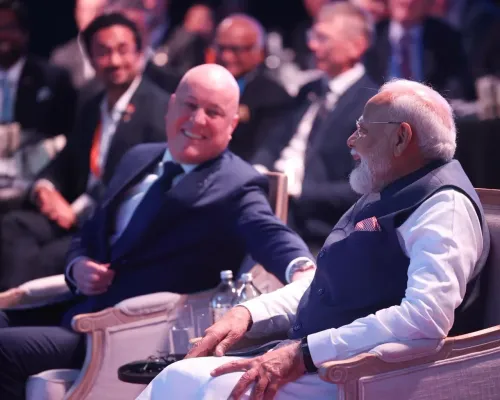
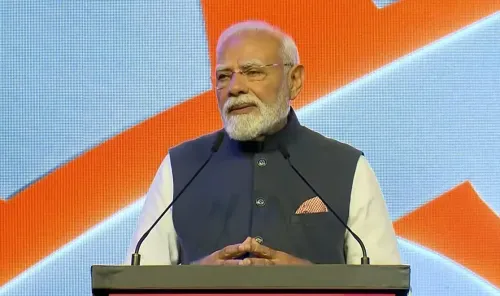
Addressing a select gathering of CEOs and business leaders, Modi spotlighted India's startup ecosystem and called for deeper private-sector collaboration in innovation, fintech, and emerging technologies. He also drew attention to a natural convergence: New Zealand's expertise in dairy science, horticulture, and forestry aligns with India's vast consumer market, food parks, and agri-tech talent — a combination Modi argued could anchor global food value chains.
Bilateral Trade Target: NZ$7 Billion by 2030
The Prime Minister urged businesses on both sides to scale investment and commercial ties, with a stated goal of doubling bilateral trade to NZ$7 billion (approximately ₹35,000 crore) by 2030. He described the India-New Zealand economic partnership as a potential model for inclusive and sustainable trade — a platform for shared innovation and prosperity.
FTA Described as a Landmark Deal
With New Zealand Prime Minister Christopher Luxon present at the event, Modi characterised the India-New Zealand Free Trade Agreement (FTA) as a landmark deal poised to deepen bilateral economic ties. He said the agreement would open new pathways for market access, investment, services, technology transfer, and talent mobility — areas where both economies are seen as complementary rather than competitive.
India's Growth Story as the Pitch
According to an official statement, Modi underscored that India's sustained high growth, young and skilled workforce, expanding middle class, digital revolution, next-generation infrastructure push, and ongoing economic reforms collectively offer significant opportunities for New Zealand companies. He also noted that India's political stability and consistent growth trajectory have positioned it as a meaningful contributor to global economic expansion. Notably, this outreach comes as India actively courts trade partners across the Indo-Pacific, with FTA negotiations and investment corridors becoming a central plank of its foreign economic policy.
Point of View
Sector by sector. The NZ$7 billion trade target by 2030 is ambitious — current bilateral trade is modest by Indo-Pacific standards — and the FTA is the mechanism meant to close that gap. What's worth watching is whether the agri-tech convergence Modi described translates into actual joint ventures, or remains aspirational. New Zealand's dairy and horticulture expertise is world-class; India's food processing infrastructure, however, still lags its ambitions. The real test of this partnership will be in execution at the supply-chain level, not in the headline numbers from a CEO roundtable.
NationPress
9 Oct 2026
Frequently Asked Questions
Which sectors did PM Modi pitch to New Zealand investors?
PM Modi invited New Zealand investors to partner India in eight sectors: infrastructure, civil aviation, logistics, clean energy, urban mobility, water management, waste management, and the digital economy. He also highlighted fintech, innovation, and emerging technologies as areas for private-sector collaboration.
What is the India-New Zealand bilateral trade target?
The two sides are targeting bilateral trade of NZ$7 billion — approximately ₹35,000 crore — by 2030, which would roughly double current trade volumes. PM Modi urged businesses on both sides to expand investment and commercial partnerships to achieve this goal.
What is the India-New Zealand Free Trade Agreement?
The India-New Zealand Free Trade Agreement (FTA) is a bilateral trade deal that PM Modi described as a landmark agreement on 11 July in Auckland. It is intended to deepen economic ties by opening new avenues for market access, investment, services, technology transfer, and talent mobility between the two countries.
Who was present at the Auckland business event with PM Modi?
New Zealand Prime Minister Christopher Luxon was present alongside PM Modi at the Auckland event, which was addressed to a select group of CEOs and business leaders from New Zealand.
How does India's agri-sector fit into the India-New Zealand partnership?
PM Modi highlighted that New Zealand's strengths in dairy science, horticulture, and forestry complement India's large consumer market, food parks, and agri-tech talent. He argued the two countries should collaborate to build global food value chains by combining these complementary strengths.