Jal Shakti Minister Paatil hails chamber-system borewell recharge
Synopsis
Union Jal Shakti Minister C. R. Paatil has lauded a farmer-driven chamber-system technique for harvesting rainwater and recharging old borewells, calling it an inspiring model that can grow into a nationwide water-conservation mass movement when farmer experience, innovation, and public participation align.
Key Takeaways
Union Jal Shakti Minister C.
Paatil on 11 July 2026 publicly praised a chamber-system borewell recharge initiative as an inspiring example of water conservation.
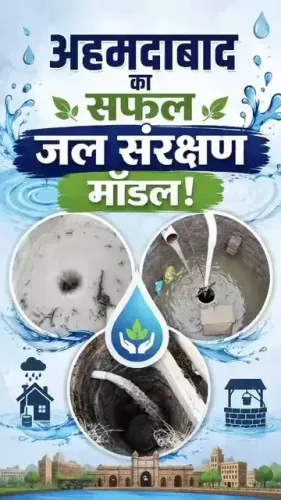
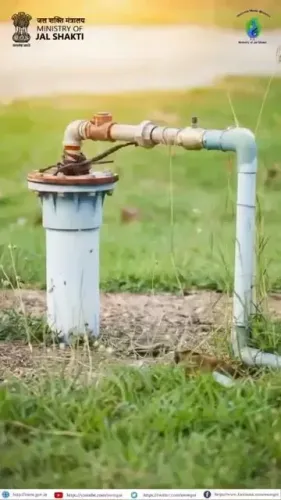
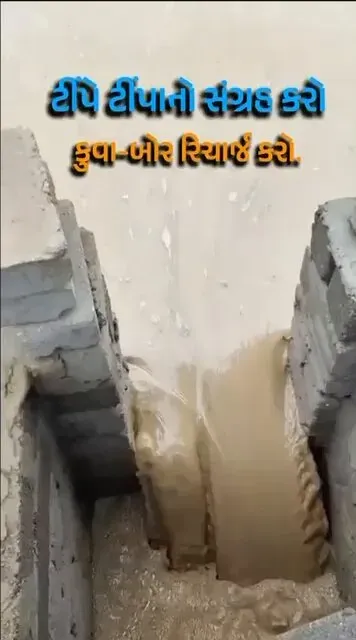
The technique channels rainwater collected in farm-based chamber structures into existing borewells to replenish groundwater aquifers.
Minister Paatil said such innovations strengthen both groundwater augmentation and long-term water security.
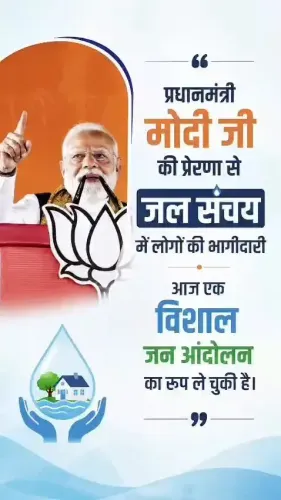
He called for farmer experience, innovation, and public participation to unite so water conservation becomes a broad mass movement ( janaandolan ).
The endorsement aligns with three central schemes — Atal Bhujal Yojana , Jal Shakti Abhiyan , and Jal Jeevan Mission — all launched in 2019 to address India's groundwater crisis.
Central Ground Water Board annual assessments will serve as a key metric for evaluating the real-world impact of such recharge interventions.
Union Jal Shakti Minister C. R. Paatil on Saturday, 11 July 2026, praised a farmer-led initiative that uses a chamber system in agricultural fields to harvest rainwater and recharge old borewells, calling it an inspiring example of water conservation.
Posting on X, Minister Paatil wrote in Hindi: 'खेत में चेंबर सिस्टम के माध्यम से वर्षा जल का संचयन कर पुराने बोरवेल का रिचार्ज करने का प्रयास जल संरक्षण की दिशा में एक प्रेरणादायी उदाहरण है' — 'The effort to harvest rainwater through a chamber system in the field and recharge old borewells is an inspiring example in the direction of water conservation.' He added that when farmers' experience, innovation, and public participation come together, water conservation takes the form of a broad mass movement.
Context
The post highlights a grassroots technique in which a chamber or pit structure is built in a farm to channel surface runoff into an existing borewell, replenishing the aquifer below rather than letting water drain away. Minister Paatil described such 'innovative initiatives' (navaachaari pahalein) as simultaneously strengthening groundwater augmentation and future water security.
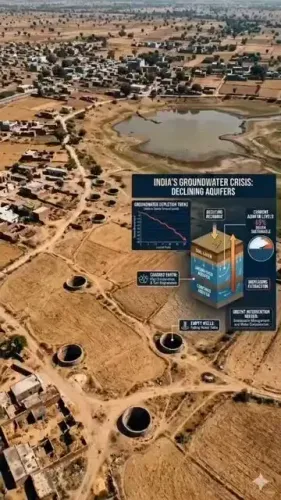
India's groundwater crisis is acute: decades of intensive agricultural extraction — particularly for irrigation — have caused water tables to fall sharply across large parts of the country, making recharge interventions at the farm level increasingly critical.
Policy Backdrop
The Ministry of Jal Shakti was created in May 2019 by merging the water resources and drinking water ministries, with an explicit mandate to integrate conservation with supply. Three flagship programmes underpin this mandate.
The Atal Bhujal Yojana, launched in December 2019, promotes sustainable groundwater management through panchayat-level planning and artificial recharge structures in water-stressed blocks across seven states. The Jal Shakti Abhiyan, rolled out in 2019, is an annual time-bound campaign for rainwater harvesting and aquifer recharge targeting 256 water-stressed districts. The Jal Jeevan Mission, also launched in 2019, focuses on tap-water connectivity for rural households but includes a source-sustainability and recharge component. Together, these programmes form the policy architecture within which farmer-level innovations such as the chamber-borewell system gain official encouragement.
Stakeholders and Impact
Small and marginal farmers are the primary beneficiaries of borewell recharge techniques: a recharged aquifer reduces the depth from which water must be pumped, cutting electricity costs and extending the productive life of existing infrastructure. Rural communities in water-stressed regions gain longer-term drinking-water security as groundwater levels stabilise.
Minister Paatil's framing — that conservation becomes a 'mass movement' (janaandolan) when farmer knowledge, innovation, and public participation converge — echoes the community-led philosophy embedded in the Atal Bhujal Yojana, which routes incentives through gram panchayats rather than solely through government agencies.
What's Next
The Central Ground Water Board releases annual assessments of aquifer levels across India; upcoming reports will be a key indicator of whether recharge interventions at the farm level are producing measurable improvements in the districts targeted by national schemes. State-level progress reports under the Atal Bhujal Yojana are also expected to reflect the adoption rate of decentralised recharge structures. Minister Paatil's public endorsement of the chamber-system model may encourage state governments and district administrations to scale up similar low-cost, farmer-driven recharge techniques as the monsoon season progresses.
Point of View
The Ministry signals that its water-security strategy depends as much on grassroots adoption as on top-down scheme funding. The 'mass movement' framing is consistent with the BJP government's broader approach of positioning citizens as co-owners of policy outcomes — a pattern visible in campaigns from Swachh Bharat to Jal Shakti Abhiyan. With groundwater depletion remaining one of India's most acute environmental risks, amplifying low-cost, replicable techniques serves both a conservation goal and a political one: demonstrating tangible, community-visible progress ahead of future assessments. The real test will be whether such endorsements translate into scaled state-level adoption with measurable aquifer-level improvements.
NationPress
11 Jul 2026
Frequently Asked Questions
What is the chamber system for borewell recharge that Jal Shakti Minister Paatil praised?
It is a farm-based structure that collects rainwater in a chamber or pit and channels it directly into an existing borewell, replenishing the underground aquifer rather than allowing surface runoff to drain away.
Why is borewell recharge important for Indian farmers?
India faces severe groundwater depletion due to intensive agricultural extraction. Recharging borewells raises local water tables, reduces pumping costs for farmers, and extends the usable life of existing well infrastructure.
What government schemes support groundwater recharge in India?
The three main central schemes are the Atal Bhujal Yojana (launched December 2019) for community-led groundwater management, the Jal Shakti Abhiyan (2019) for rainwater harvesting in 256 stressed districts, and the Jal Jeevan Mission (2019) which includes source sustainability components.
What did C. R. Paatil say about water conservation and public participation?
Minister Paatil said that when farmers' experience, innovation, and public participation come together, water conservation takes the form of a broad mass movement, and called such innovative initiatives an inspiring example for groundwater augmentation and future water security.
How can farmers replicate the chamber-system rainwater harvesting technique?
Farmers can build a chamber or pit structure in their fields to capture monsoon runoff and connect it to an existing borewell shaft, allowing water to percolate into the aquifer. State agriculture and groundwater departments, as well as Atal Bhujal Yojana panchayat-level plans, can provide technical guidance for such structures.