Jal Shakti Minister Paatil backs borewell recharge as key groundwater fix
Synopsis
Union Jal Shakti Minister C. R. Paatil on 26 June 2026 publicly backed borewell recharge as a scientific, PM Modi-led initiative to arrest India's declining groundwater levels, reinforcing the ministry's push on artificial recharge under Atal Bhujal Yojana.
Key Takeaways
Paatil , Union Jal Shakti Minister, endorsed borewell recharge on 26 June 2026 as a scientific and effective groundwater conservation measure.
He attributed the initiative to the leadership of Prime Minister Narendra Modi .
The Ministry of Jal Shakti , formed in May 2019 , oversees India's consolidated water governance and conservation programmes.
Atal Bhujal Yojana (launched December 2019 ) is the ministry's flagship scheme targeting groundwater recharge in seven water-stressed states .
Farmers and rural households are the primary beneficiaries of improved aquifer levels through artificial recharge.
The Central Ground Water Board tracks annual water-level trends and state progress on recharge infrastructure.
Union Jal Shakti Minister C. R. Paatil on Friday, 26 June 2026 credited Prime Minister Narendra Modi's leadership for advancing borewell recharge as a scientific and effective initiative to protect India's groundwater levels, sharing his assessment on X.
Context
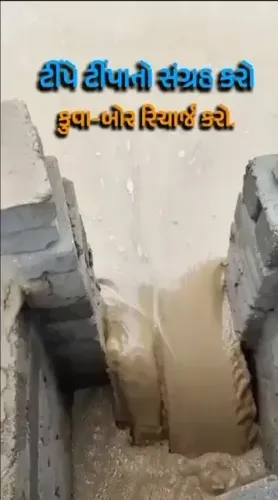
In his post, Minister Paatil wrote — 'Borewell recharge jaisi vaigyanik aur prabhavi pahal' ('a scientific and effective initiative like borewell recharge') — describing the measure as 'an important step in the direction of conserving groundwater levels' under Prime Minister Modi's guidance. The statement signals the ministry's continued public emphasis on artificial recharge techniques as a frontline response to India's deepening groundwater crisis.
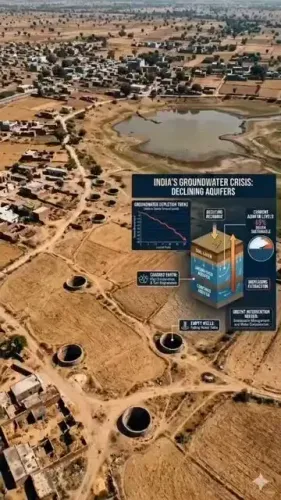
Groundwater accounts for nearly 60 per cent of India's irrigation needs and a significant share of rural drinking water supply. Decades of intensive agricultural extraction have caused water tables to fall sharply across large parts of the country, making recharge interventions a policy priority.
Policy Backdrop
The Ministry of Jal Shakti was formed in May 2019 by merging the erstwhile ministries of water resources and drinking water and sanitation, consolidating fragmented water governance under a single mandate. C. R. Paatil, a senior BJP leader and former Gujarat state president of the party, heads the ministry.
The ministry's flagship groundwater programme, Atal Bhujal Yojana, was launched in December 2019. It targets sustainable groundwater management and artificial recharge in over-exploited blocks across seven water-stressed states. Separately, the Jal Jeevan Mission (2019) incorporates source-sustainability measures — including recharge structures — as part of its guidelines to ensure long-term drinking water security for rural households.
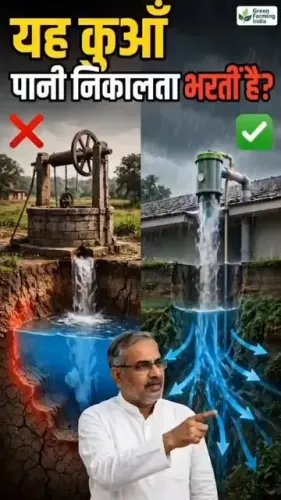
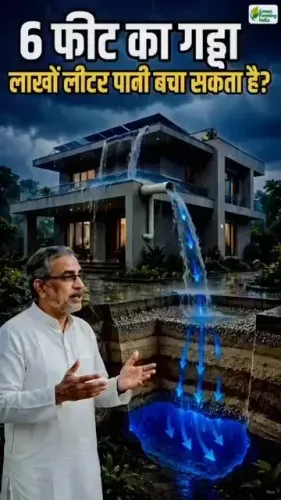
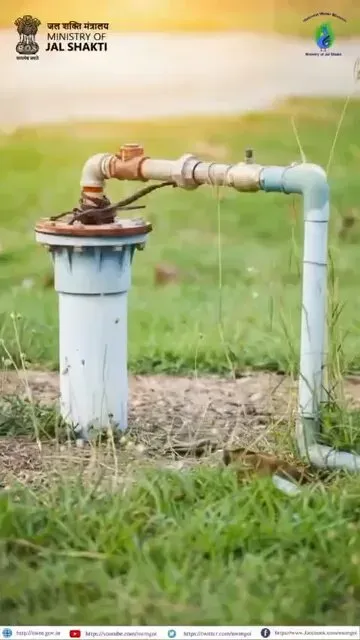
Borewell recharge, as a technique, involves channelling surface runoff or treated water back into existing borewells to replenish aquifers. It builds on earlier rainwater harvesting mandates and aligns with the National Water Policy's demand-side management and climate-resilience objectives.
Stakeholders and Impact
Farmers and rural households stand as the primary beneficiaries of improved groundwater levels. Agricultural communities in water-stressed districts — particularly across peninsular and north-western India — depend on borewell irrigation, and declining aquifer levels have raised both extraction costs and crop-failure risks.
State governments are the implementing partners for recharge programmes under centrally sponsored schemes. Progress on physical recharge structures and measurable water-level improvement are tracked annually by the Central Ground Water Board.
What's Next
Observers will watch the Central Ground Water Board's upcoming annual reports for data on water-level trends and state-level progress on recharge structures under Atal Bhujal Yojana. Minister Paatil's public endorsement of borewell recharge suggests the technique could receive heightened administrative and budgetary attention in the ministry's near-term programme calendar. Sustained political signalling at the ministerial level typically precedes formal scheme expansions or target revisions in India's water sector.
Point of View
The statement serves dual purpose: reinforcing the BJP's environmental stewardship credentials ahead of any policy review cycle, and building public legitimacy for what are often low-visibility, infrastructure-level programmes. The emphasis on 'scientific' methods signals the ministry's intent to distinguish current policy from earlier, less-systematic conservation efforts. Sustained ministerial visibility on groundwater — a subject that directly affects agrarian constituencies — points to the Jal Shakti portfolio becoming an increasingly prominent political asset for the ruling party.
NationPress
25 Sept 2026
Frequently Asked Questions
What is borewell recharge and how does it help groundwater?
Borewell recharge is a technique that channels surface runoff or treated water back into existing borewells to replenish underground aquifers. It helps restore groundwater levels depleted by intensive agricultural and domestic extraction, reducing water scarcity for farmers and rural households.
What did Jal Shakti Minister C. R. Paatil say about borewell recharge?
On 26 June 2026, Minister C. R. Paatil posted on X that borewell recharge is a 'scientific and effective initiative' and an important step toward conserving groundwater levels, crediting the effort to Prime Minister Narendra Modi's leadership.
What is Atal Bhujal Yojana?
Atal Bhujal Yojana is a central sector scheme launched in December 2019 by the Ministry of Jal Shakti to promote sustainable groundwater management and artificial recharge in over-exploited blocks across seven water-stressed states in India.
Which ministry handles groundwater conservation in India?
The Ministry of Jal Shakti, formed in May 2019 by merging the earlier water resources and drinking water ministries, is responsible for groundwater conservation and related schemes including Atal Bhujal Yojana and Jal Jeevan Mission.
Why is groundwater depletion a concern in India?
Groundwater accounts for nearly 60 per cent of India's irrigation needs and a large share of rural drinking water. Decades of intensive extraction — mainly for agriculture — have caused water tables to fall sharply, threatening food security and rural livelihoods across large parts of the country.