How Does the India–New Zealand FTA Create New Avenues for Indian Exporters?
Synopsis
The new India-New Zealand FTA is set to significantly enhance trade relations, promising growth for Indian exporters. Discover how this agreement could transform key sectors and what it means for the country's economic future.
Key Takeaways
New Trade Avenues: The FTA opens new opportunities for Indian exporters.
Economic Growth: Projected to boost key sectors and employment.
Strategic Partnerships: Reflects India's evolving trade diplomacy.
GI-Tagged Exports: Encourages exports of indigenous products.
Farmers' Benefits: Aims to improve farmers' financial conditions.
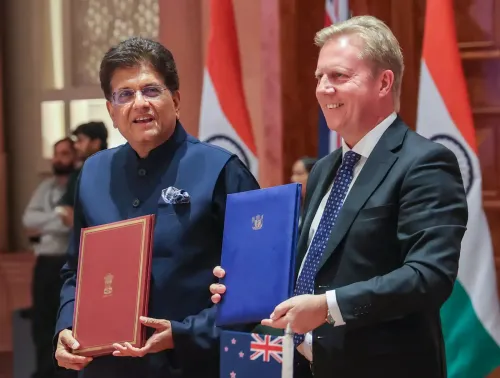
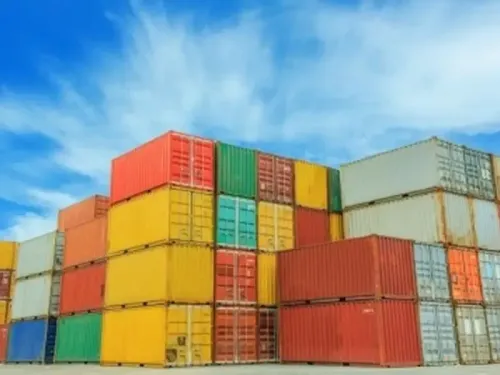
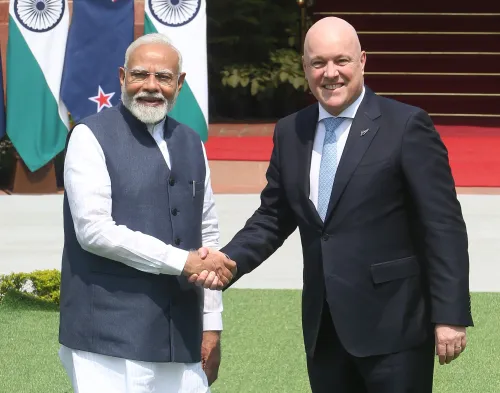
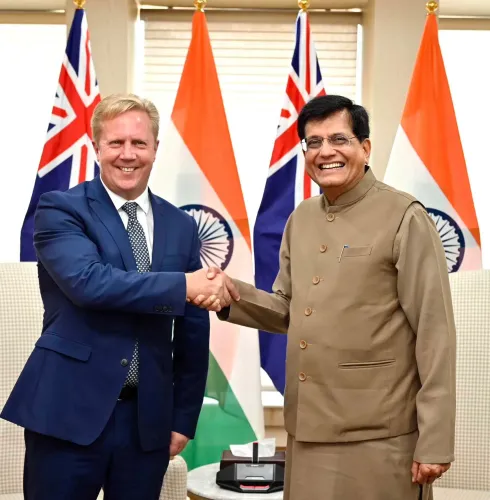
New Delhi, Dec 23 (NationPress) The recently established Free Trade Agreement (FTA) between India and New Zealand has unveiled new avenues for Indian exporters, promising a significant enhancement for vital sectors including textiles, marine products, engineering, and MSMEs, stated former Chief Commissioner of Income Tax Dr. Shikha Darbari on Tuesday.
In an interview with IANS, Dr. Darbari expressed that the reduction of tariffs in the New Zealand market is set to escalate the demand for Indian products and fortify the global presence of domestic industries.
“The agreement is anticipated to generate employment opportunities across these sectors, thereby giving a positive push to the Indian economy,” she remarked.
This long-term trade agreement, valued at approximately $20 billion, aims to double the bilateral trade between India and New Zealand in the next five years.
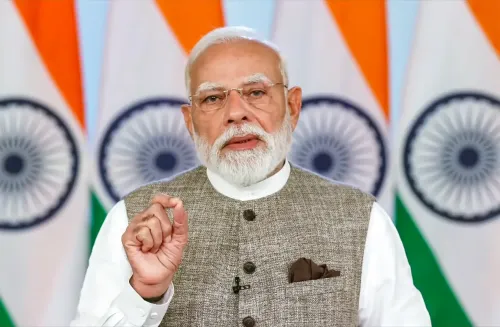
“This is a reflection of Prime Minister Narendra Modi’s vision for a global economy and the increasing trust of international investors in India,” added Dr. Darbari.
Dr. Darbari also mentioned that India had previously taken a cautious stance toward FTAs, but is now proactively entering into balanced and secure trade agreements with developed nations.
This transition signifies the government's advancing trade diplomacy, which prioritizes the protection of investor interests while establishing India as a major player in global trade through strategic alliances.
She further emphasized that this agreement marks a crucial step toward positioning India as a leader in global commerce.
“In line with the PM Modi government’s ‘Viksit Bharat 2047’ vision, opening new markets and executing foreign trade agreements will broaden India’s trade reach and fortify its status as a global trade leader,” she stated.
This initiative will not only bolster India’s economic prowess but also position the nation as a significant force in international trade.
Dr. Darbari highlighted that the FTA will encourage exports of GI-tagged Indian products and value-added agricultural goods.
This development will assist Indian farmers in obtaining better prices for their products, thereby improving their financial conditions.
Additionally, she indicated that the government is motivating farmers to secure indigenous patents and GI tags, enhancing their competitiveness in global markets.
Point of View
The India-New Zealand FTA represents a significant step forward in enhancing economic relations. This agreement is not just a policy shift, but a commitment to fostering sustainable growth and international collaboration, aligning with national interests and the vision of a prosperous India.
NationPress
18 Sept 2026
Frequently Asked Questions
What is the significance of the India-New Zealand FTA?
The India-New Zealand FTA is crucial as it opens new market opportunities for Indian exporters, particularly in key sectors like textiles and engineering, while aiming to double bilateral trade within five years.
How will the FTA impact Indian farmers?
The agreement is expected to promote exports of GI-tagged products, allowing Indian farmers to secure better prices, thus enhancing their financial stability.
What is the projected value of the FTA?
The long-term trade agreement is valued at approximately $20 billion.
What are the key sectors expected to benefit from this agreement?
Key sectors include textiles, marine products, engineering, and MSMEs.
How does this FTA align with India's economic vision?
This FTA aligns with Prime Minister Modi's vision of a 'Viksit Bharat 2047', aiming to enhance India's position as a global trade leader.